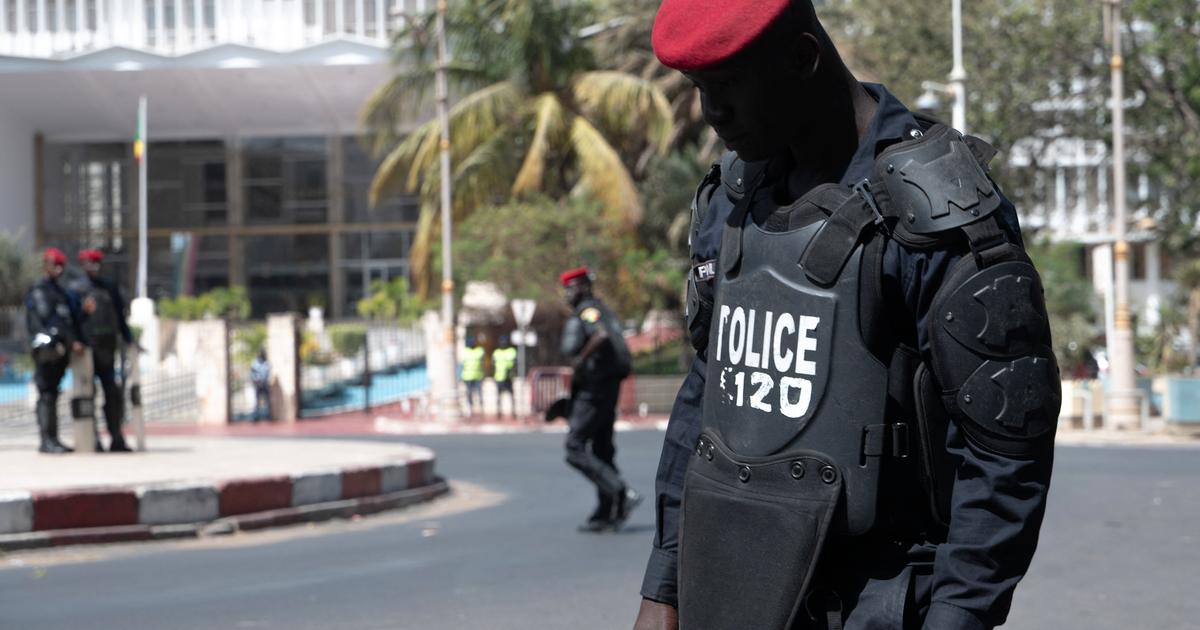
Amadou Bangoura, a 30-year-old student from Bénin, will never forget that night. It was nearly 10 PM when he left his gym in the Liberté 6 district of Dakar to head home. The streets were nearly empty, with only a few vehicles still moving through the darkness. Suddenly, a police patrol ordered him to stop. Two officers approached, demanding, “Your papers—now.”
heightened police checks target west african migrants
Between June 30 and July 8, authorities conducted 490 identity checks targeting foreigners—primarily from West Africa—as part of a broader campaign to “enhance public security.” The operation led to 36 detentions for irregular stay, according to official reports. While the stated goal was to strengthen safety, the sudden crackdown has left many questioning the true motivations behind the sweeping measures.
a culture of hospitality under strain
Residing legally in Sénégal for five years, Bangoura was shaken by the experience. “I kept wondering what might happen next,” he admitted. His concerns reflect a growing unease among long-term residents who feel the country’s famed Teranga—its spirit of hospitality—is eroding under the weight of suspicion. Civil society groups have echoed these worries, releasing a statement on July 13 condemning “arbitrary arrests, disproportionate administrative demands, and prolonged detentions.”
Community leaders warn that the situation is escalating beyond mere policy enforcement. Social media, particularly TikTok, has seen a surge in hostile rhetoric targeting the Guinean community, which makes up over 40% of foreign residents in Sénégal. Accusations of stealing jobs from locals have drawn parallels to recent xenophobic movements in South Africa, further fueling tensions.
migration policy in the spotlight
The timing of these checks is particularly notable, coinciding with Sénégal’s recent assumption of the presidency of the Economic Community of West African States (ECOWAS). While officials cite security as the priority, critics argue the measures risk undermining regional solidarity and the very values of openness that have long defined Sénégal’s identity.