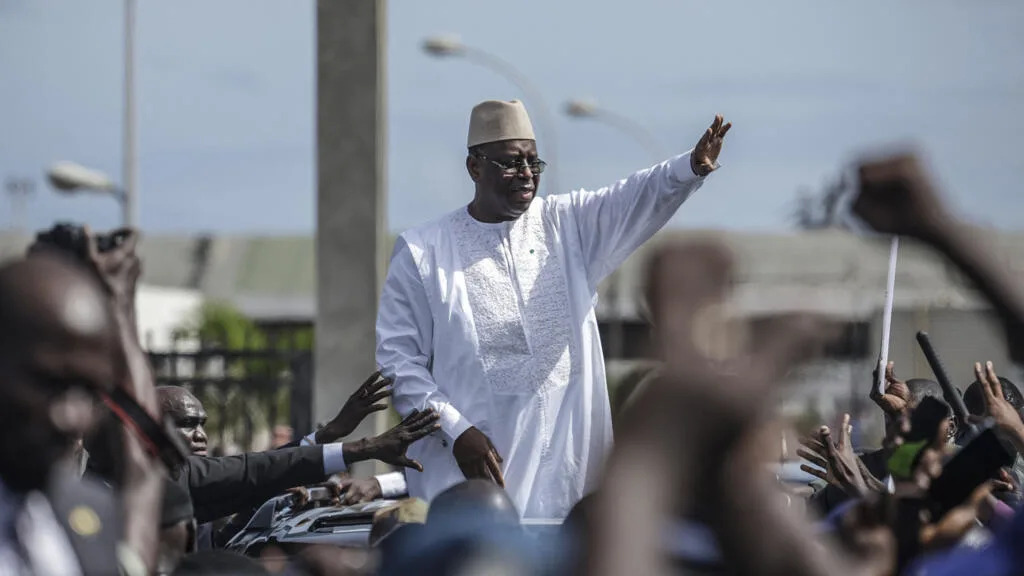
Dakar has reversed its stance by officially endorsing former President Macky Sall’s candidacy for United Nations Secretary-General, a move announced on July 20, 2026. This decision comes just three days after a meeting between Sall and current President Bassirou Diomaye Faye in the capital.
The shift in position is particularly notable because Senegal had previously declined to support Sall’s bid, despite his prior leadership from 2012 to 2024. Notably, his nomination was not submitted by Senegal itself but by Burundi, which currently holds the rotating presidency of the African Union (AU).
Earlier this year, in late March, a group of about 20 AU member states—including Senegal—had opposed Sall’s candidacy to replace outgoing UN Secretary-General António Guterres.
Sall faces accusations from Senegal’s current administration, which took office in April 2024, of overseeing a harsh crackdown on opposition-led protests between 2021 and 2024 that resulted in numerous fatalities. However, the government’s recent about-face suggests a deliberate recalibration of its diplomatic priorities.
Sall’s candidacy framed as a service to Africa
In a statement released by the Ministry of Foreign Affairs, President Bassirou Diomaye Faye declared that Senegal would fully support Sall’s candidacy for the UN Secretary-General position. The announcement emphasized that this endorsement aligns with Senegal’s commitment to advancing Africa’s interests and strengthening multilateral cooperation.
The ministry instructed the government and Senegal’s diplomatic network to actively promote Sall’s bid among UN member states. The statement described his candidacy as “now the candidacy of Senegal, in service of Africa and more effective multilateralism.”
Sall’s return to Dakar last Friday, more than two years after leaving office in April 2024, drew significant public attention. Thousands gathered to welcome him, though his visit sparked criticism from opponents who demand accountability for alleged extrajudicial killings during his presidency. Additionally, the current administration has accused him of concealing a substantial portion of the country’s debt, which has placed significant strain on Senegal’s economy.