Senegal’s bus imports from China spark debate over local job creation
A high-stakes European Union development fund tender worth over 300 million euros for bus supplies and infrastructure in Dakar has ignited controversy after reports suggest it may be awarded to a state-linked Chinese company with a history of violating EU foreign subsidy regulations.
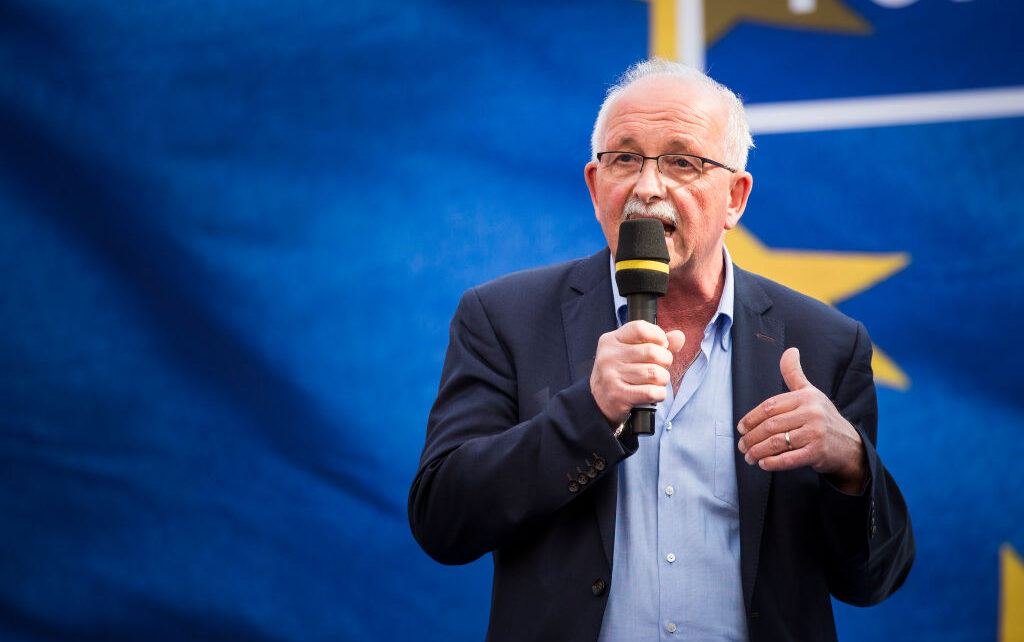
Udo Bullmann, a prominent socialist Member of the European Parliament, has taken a pragmatic stance on the matter. He argues that the Senegalese authorities should proceed with the Chinese bid as long as it guarantees local employment and skill development for Senegalese workers.
“The priority must be African skilled labor and value creation,” Bullmann stated during a Brussels press briefing. “If the Chinese company commits to hiring and training Senegalese personnel, I have no objections to the deal.”
This unusual position comes after Senegal and China agreed last June to establish a bus assembly plant in the country during an official visit by the Senegalese government to Beijing. The proposed facility aims to bolster local manufacturing capabilities while addressing the country’s public transport needs.
While some European officials have criticized the potential outcome as “reckless,” Bullmann dismisses such concerns, emphasizing the importance of African economic empowerment over rigid protectionist policies.
“I don’t care where the investment comes from as long as it benefits local workers and raises African production standards,” he explained. “This makes all the difference in sustainable development.”
Bullmann, who chairs the European Parliament’s delegation for South Africa, is currently coordinating the African Days event in Brussels, bringing together African and European policymakers. He advocates for stronger EU-Africa partnerships, positioning Europe as the continent’s preferred partner for development cooperation.
“If you seek exploitation, look to China. If you want political oppression, turn to the United States. But if you desire genuine partnership, Europe remains the best choice,” Bullmann asserted.
The controversy follows EU Development Commissioner Jozef Síkela’s announcement in May about plans to incorporate “measures strengthening European preference” in future EU development aid projects—a policy Bullmann firmly opposes.
“What matters most is implementing rules that prioritize local production,” he stressed. “EU-funded tenders should favor African-made products whenever possible.”
Barry Andrews, Chair of the European Parliament’s Development Committee, echoed similar sentiments, urging Senegalese authorities to “select the offer that best suits their needs.”
He pointed out the stark price disparity between the Chinese bid (CRRC) and the sole European competitor (Scania), noting that Senegal would effectively “pay more than double” for European-made buses.
The debate highlights the complex interplay between foreign investment, local economic development, and international development cooperation in Africa’s rapidly evolving transport sector.