United States mulls military strikes against Mali’s JNIM amid Africa Corps setbacks
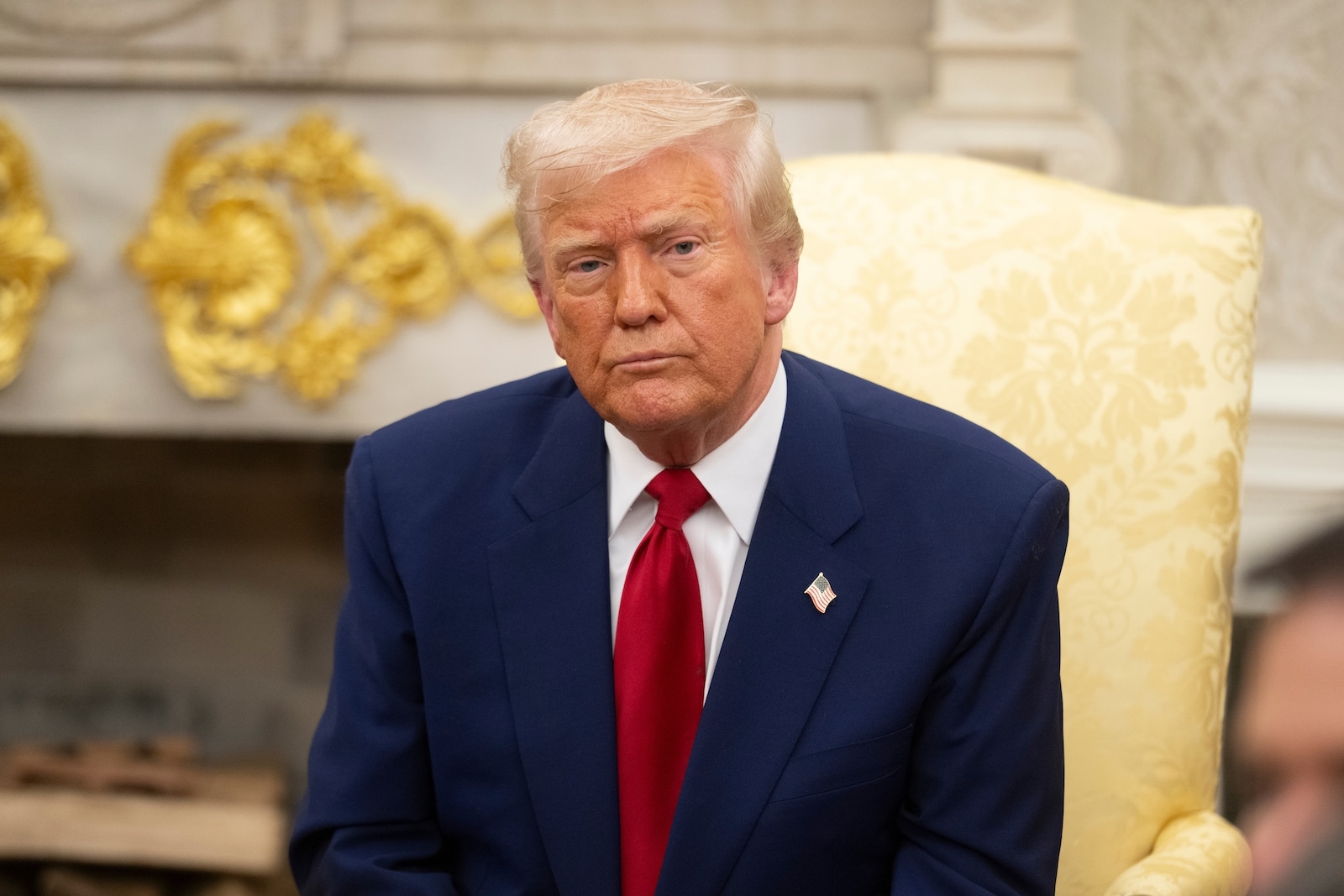
The administration of former U.S. President Donald Trump is reportedly evaluating the possibility of authorizing targeted military strikes against the Group for the Support of Islam and Muslims (JNIM), an Al Qaeda-affiliated militant organization active in Mali. This potential shift in strategy comes as security conditions in the Sahel region continue to deteriorate and the Africa Corps—Russia’s military structure replacing Wagner in Mali—struggles to regain the upper hand against armed groups.
Washington debates military intervention against JNIM
Senior U.S. officials are divided over the feasibility and necessity of direct strikes. While some within the administration argue for decisive action, others advocate for a cautious approach. Sebastian Gorka, a key counterterrorism advisor, has been vocal about the need for a robust military response. However, no official confirmation or denial has been issued regarding these potential operations.
In parallel, Washington is reportedly pushing for enhanced military cooperation with governments across West and North Africa. A senior U.S. official emphasized that the Sahel’s terrorism challenge is a multinational issue, calling on regional partners and NATO allies to bolster support for the Sahel States Alliance in its fight against JNIM and the Islamic State.
The official also criticized Moscow’s role, stating that Russia has proven to be an ineffective security partner for Mali, contributing to the country’s ongoing instability. The Pentagon declined to comment, while the State Department reiterated its unwavering condemnation of terrorist activities in Mali. JNIM has been officially designated as a foreign terrorist organization by the U.S. since 2018.
Africa Corps faces mounting challenges in Mali
The potential U.S. military consideration arrives as Mali’s security situation worsens. In recent months, JNIM has intensified its offensive operations, often collaborating with the Azawad Liberation Front (FLA). A notable April offensive, coordinated between these groups, resulted in significant territorial losses for Malian authorities in the country’s northern regions.
Russia’s Africa Corps, tasked with replacing Wagner, has adjusted its operational strategy. Reports suggest a shift in focus toward securing Bamako, key infrastructure, and government officials, while reducing permanent presence in certain northern zones. This adjustment follows a series of setbacks suffered by Malian forces and their Russian partners in clashes with JNIM and FLA.
Independent analysts highlight that despite substantial resources deployed, the objectives set under the Bamako-Moscow security partnership remain unmet. Additionally, allegations of human rights abuses involving Malian troops and Africa Corps members have surfaced. Reports from June cited accounts of violence against civilians in the Tombouctou region, though Malian authorities have not addressed these claims.
If implemented, a U.S. military intervention would mark a significant change in Washington’s approach to the Sahel. After a gradual withdrawal of Western forces from the region and Mali’s pivot toward Russia, the United States appears to be reconsidering a more direct role in combating jihadist groups. At this stage, no final decision has been announced, and discussions within the Trump administration are ongoing.