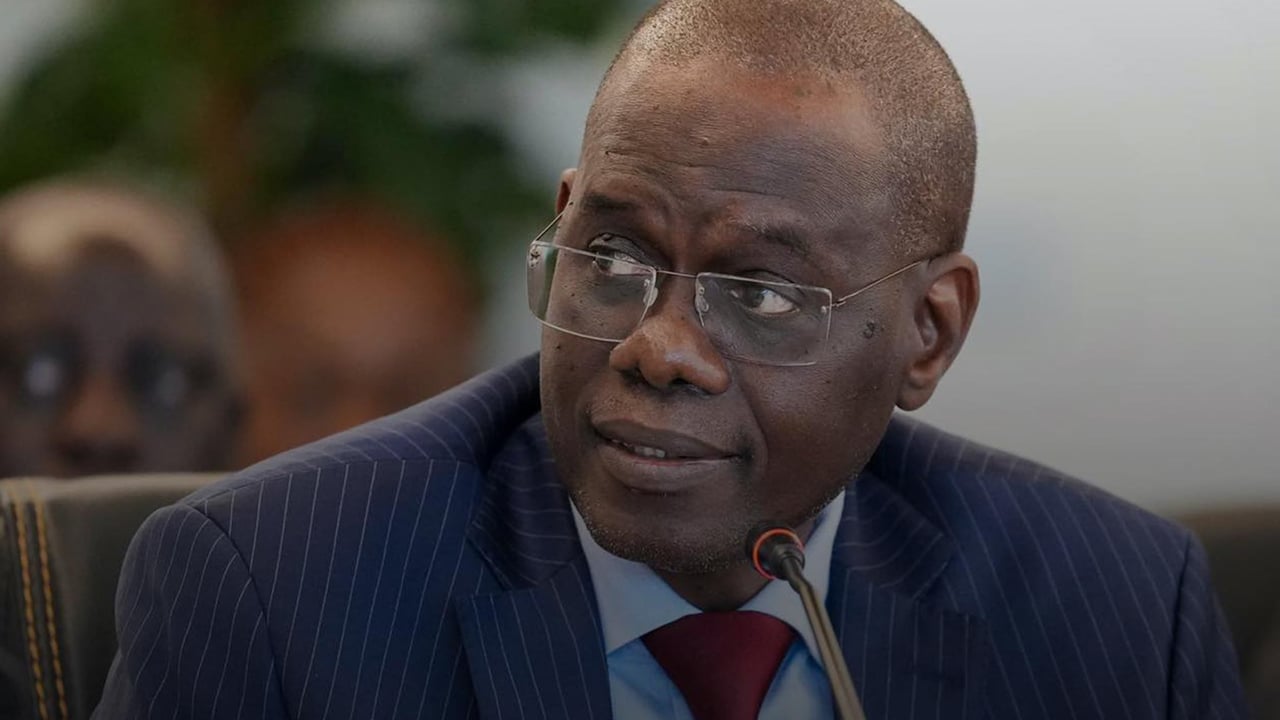

The departure of Ousmane Sonko from Senegal’s political landscape has reignited discussions about the country’s escalating debt crisis and its potential implications for negotiations with the International Monetary Fund (IMF). As Dakar grapples with mounting fiscal challenges, the evolving political dynamics could either hinder or accelerate the pathway to a structured financial agreement.
Political shifts and economic uncertainty
Sonko’s exit has sent ripples through Senegal’s economic policy circles. His stance on debt restructuring and fiscal discipline had previously clashed with IMF proposals, creating roadblocks in earlier discussions. Now, with a new leadership direction, the government faces a critical juncture in aligning domestic priorities with international financial expectations.
Prime Minister Al Aminou Lô, now at the helm of economic strategy, must navigate a delicate balance. On one hand, securing IMF support could unlock vital funding to stabilize public finances. On the other, domestic pressure to prioritize social spending over austerity measures complicates the negotiation process.
Key challenges ahead
- Debt sustainability: Senegal’s external debt has surged, raising concerns about long-term repayment capacity. The IMF will scrutinize fiscal reforms to ensure viability.
- Policy alignment: Differences between IMF demands for structural adjustments and national development goals could stall progress.
- Public sentiment: Widespread skepticism about IMF conditions may pressure the government to seek alternative financing routes.
What’s next for Senegal?
The coming weeks will be pivotal. If the new administration demonstrates a commitment to transparent fiscal policies and gradual reforms, IMF negotiations could gain momentum. However, delays or concessions to populist pressures might delay critical funding, exacerbating economic strains.
As Dakar awaits the IMF’s response, one thing is clear: the interplay between politics and economics will shape Senegal’s financial future in ways that extend far beyond debt restructuring alone.