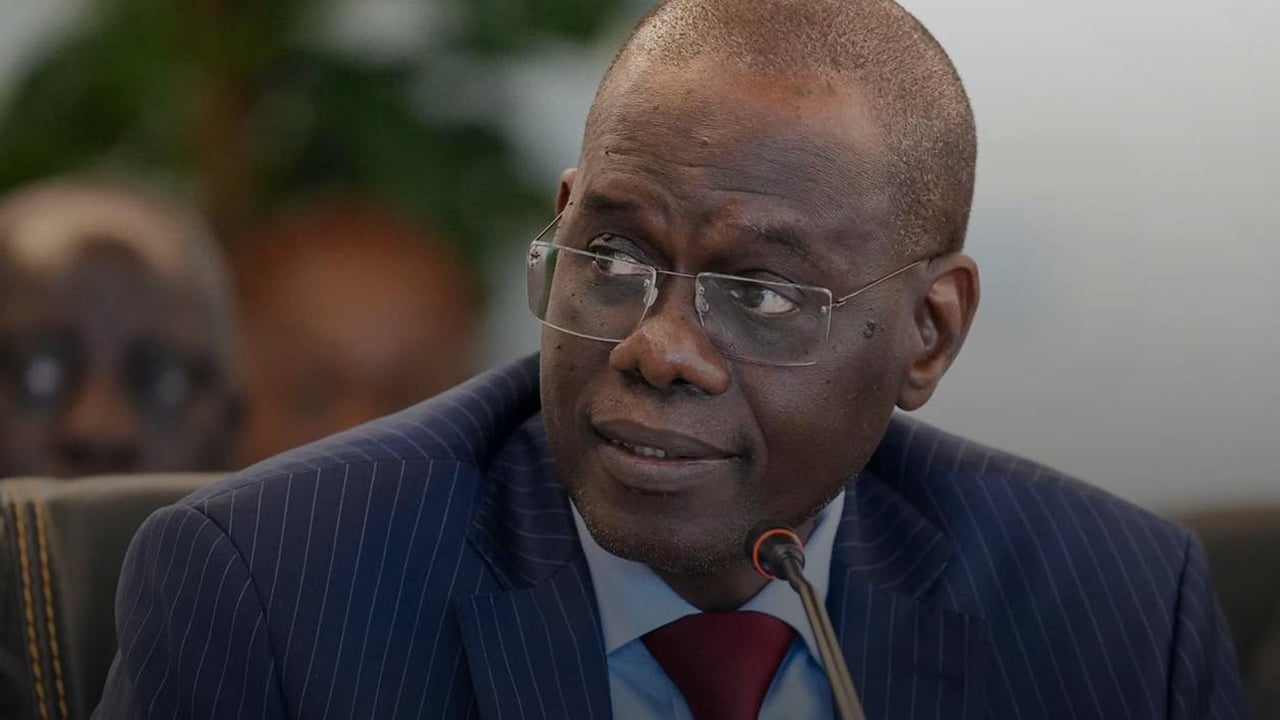

Senegal’s debt crisis: a shifting political landscape
Senegal stands at a critical juncture as political developments reshape the nation’s economic trajectory. The unexpected departure of Ousmane Sonko from the political stage has triggered intense speculation about Dakar’s next steps in managing its debt obligations. As the country grapples with rising public debt and urgent fiscal challenges, the question on everyone’s mind is whether this transition could unlock new pathways for cooperation with international financial institutions.
What Sonko’s exit means for Senegal’s economic strategy
The exit of Ousmane Sonko—a figure closely associated with sovereign debt skepticism—has raised eyebrows across financial circles. Analysts suggest that his absence may remove a significant obstacle to engaging with the International Monetary Fund (IMF). While Sonko’s policies were never officially implemented, his vocal opposition to external financial interventions cast a long shadow over previous negotiations.
With Senegal’s debt-to-GDP ratio climbing steadily, the government faces mounting pressure to secure sustainable financing solutions. The IMF, under Managing Director Kristalina Georgieva’s leadership, has reiterated its willingness to assist nations in restructuring debt through tailored programs. Could this political shift finally open the door to a mutually beneficial agreement?
IMF engagement: a beacon of hope or another hurdle?
For President Bassirou Diomaye Faye’s administration, the timing of Sonko’s departure could not be more pivotal. Reports from economic circles indicate that preliminary discussions with the IMF have already begun in backchannels, focusing on fiscal consolidation and debt sustainability metrics. However, the road to formal negotiations remains fraught with challenges.
Senegal’s recent track record of economic reforms—including efforts to improve transparency in public spending—has drawn cautious optimism from global lenders. Yet, lingering skepticism persists about the government’s ability to balance immediate fiscal needs with long-term stability. A potential IMF program would likely come with stringent conditions, including structural adjustments that could test public patience.
Public debt in Senegal: a ticking time bomb?
The country’s debt burden has surged in recent years, fueled by infrastructure projects, social spending, and external shocks. While some investments have spurred growth, others have raised concerns about debt sustainability. The IMF’s involvement could provide much-needed breathing room, but only if accompanied by rigorous reforms.
Critics argue that without decisive action, Senegal risks sliding into a debt spiral that could destabilize its economy for decades. Proponents of IMF collaboration, however, believe that structured support could help the country navigate its fiscal challenges while avoiding a crisis.
What’s next for Senegal and the IMF?
The coming months will be decisive. If the Faye administration can demonstrate a clear commitment to fiscal discipline and transparency, the IMF may greenlight a formal program. Yet, political stability remains a prerequisite—any sign of instability could derail progress.
The departure of Sonko may have removed one barrier, but it has also introduced new uncertainties. As Senegal’s leaders weigh their options, the world watches closely. Will this be the turning point that secures Senegal’s economic future—or another missed opportunity?