
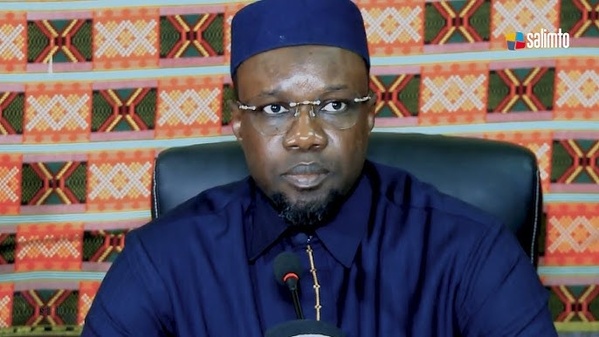
A sweeping inventory of government infrastructure projects has uncovered 245 assets and initiatives that remain unutilized, require completion, or could be repurposed for greater efficiency. The findings emerged during an interministerial infrastructure review chaired by Prime Minister Ousmane Sonko.
key findings from the infrastructure assessment
The review categorized the identified assets and projects into four main groups:
- completed but unused infrastructure: 30 projects remain idle, with 25 facing legal or administrative blockages—freezing an estimated 279 billion West African CFA francs in investment. Fifteen of these are flagged as high-priority due to their financial significance and the nature of the delays.
- recyclable or valorizable assets: 23 operational facilities spanning eight sectors are managed by 13 agencies. Their combined estimated value reaches 1,065 billion West African CFA francs.
- projects under construction requiring completion: 94 initiatives are in progress, but 62 face interruptions. The total investment committed to these projects stands at 5,227 billion West African CFA francs, with an additional 973 billion needed to finish them.
- recyclable state property: 97 state-owned buildings—91 of which are in the Dakar region—are deemed suitable for repurposing. Their market value is estimated at 132 billion West African CFA francs, with renovation costs projected at 12.1 billion.
root causes of project delays
The Prime Minister highlighted multiple factors contributing to the stagnation of infrastructure projects:
- financial constraints: 42 projects stalled due to insufficient investment credits, unpaid invoices, or outright payment defaults, leading to work stoppages and incomplete installations.
- technical and operational challenges: 18 projects suffer from coordination failures between contractors and utility providers (water, electricity, telecommunications), resulting in unfinished work, delayed deliveries, missing equipment, and unconnected systems. In some cases, sites remain inaccessible because land has not been cleared.
- legal and administrative hurdles: 14 projects are blocked by unresolved legal disputes, canceled contracts, pending administrative approvals, or missing institutional decrees.
- operational oversights: 13 completed or nearly completed projects lack operational or management models, rendering them unusable despite their readiness.
Sonko also pointed to a broader issue: ‘’constructing infrastructure without planning for its operation is inconceivable, yet it remains a recurring oversight that fuels these delays.’’
government response and next steps
In response to the findings, the Prime Minister announced two decisive measures:
- establishment of a dedicated committee: a new task force at the Prime Minister’s office will oversee the finalization of the inventory and ensure all projects are addressed.
- call for expanded review: Sonko has requested a thorough reassessment, acknowledging that the current inventory may not capture all challenges.
He emphasized the need for ‘’zero tolerance for negligence and laxity, which have led to costly delays and failures. He further urged agencies to proactively address technical hurdles such as utility connections, including water and electricity, to prevent avoidable setbacks.
‘’These inefficiencies are not just delays—they represent massive financial losses that cannot be ignored,’’ Sonko stated. ‘’Moving forward, we must prioritize efficiency, accountability, and foresight in every infrastructure endeavor.’’