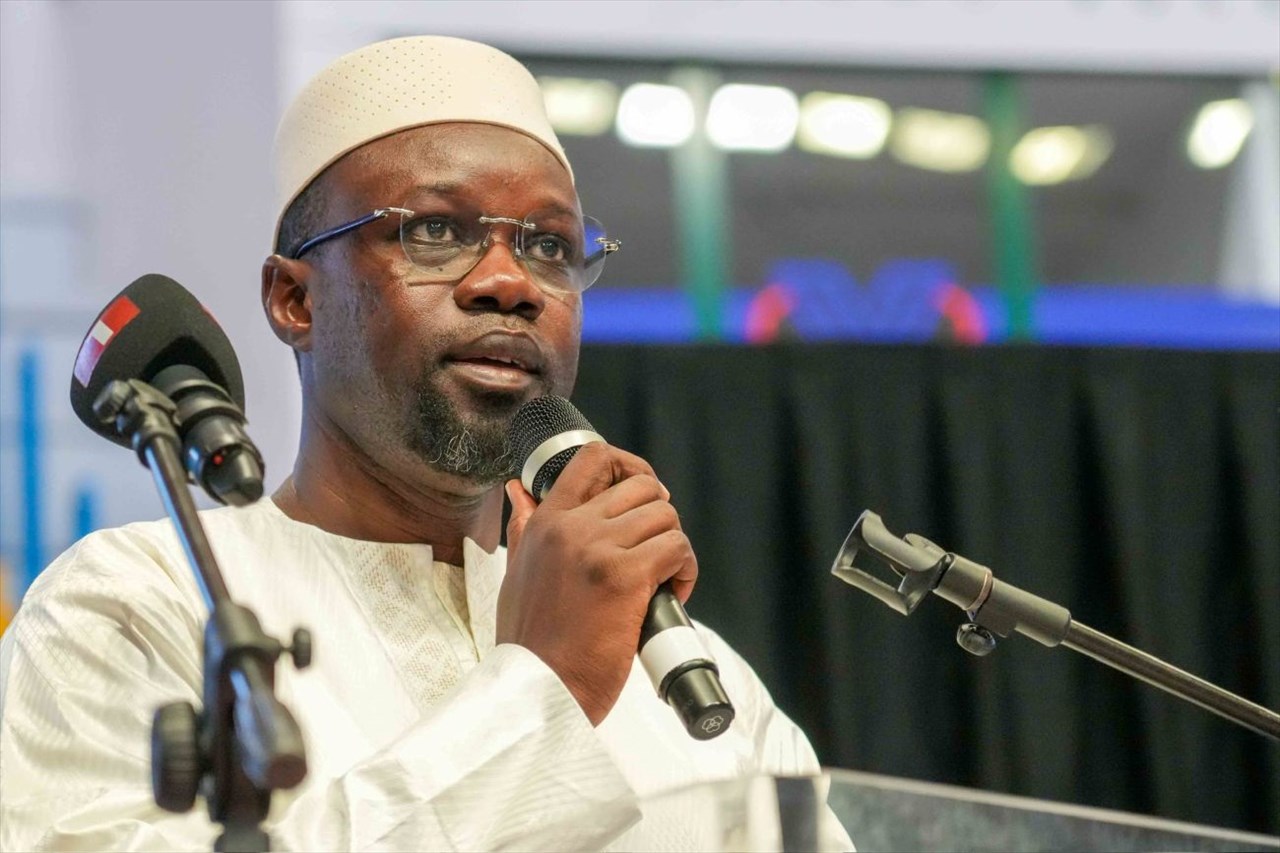

The political landscape in Sénégal remains in flux as dramatic developments unfold. Just 48 hours after the dismissal of Prime Minister Ousmane Sonko, the country witnessed another seismic shift on Sunday, May 25, when the President of the National Assembly, Malick Ndiaye, announced his resignation from the prestigious position. The decision came shortly after a meeting of the ruling Pastef party, of which Ndiaye is a member.
In a statement shared on Facebook, Ndiaye explained his move with a blend of solemnity and conviction. “After deep reflection, nurtured in quiet contemplation, guided by a sense of duty and the supreme interests of the Nation, I have decided to resign from my role as President of the National Assembly of Sénégal. This choice reflects my personal commitment to institutional integrity, public responsibility, and the greater good of our country,” he wrote. As the second-highest-ranking official in the state, his departure marks a significant moment in the nation’s political trajectory.
Throughout his tenure, Ndiaye dedicated himself to strengthening the Assembly, fostering transparency, and enhancing oversight. His efforts aimed to elevate the Parliament’s profile both domestically and internationally, working closely with lawmakers and administrative staff to uphold democratic values.
The Assembly’s agenda on that same Sunday included the reinstatement of Ousmane Sonko, who had been removed from office just days earlier. Following this development, lawmakers scheduled a vote for Tuesday, May 26, to elect a new Assembly President. With Pastef holding a commanding majority, all indications point to Sonko emerging as the frontrunner for the role. If successful, his rapid ascent—transitioning from dismissed Prime Minister to the second-highest office in the land within a mere 72 hours—would underscore his growing influence in Sénégal’s political arena.
What is now undeniable is that the country’s power dynamics have shifted from a cooperative partnership between Bassirou Diomaye Faye and Sonko to a high-stakes political rivalry. As local elections loom and the 2029 presidential race approaches, alliances will be tested, power balances will shift, and strategic maneuvers will dominate the national discourse.
The looming question remains: will Bassirou Diomaye Faye opt to dissolve the National Assembly once the constitutional deadline expires in December? Until then, the nation watches with bated breath, awaiting the announcement of the next Prime Minister tasked with forming a government in an atmosphere thick with political tension.