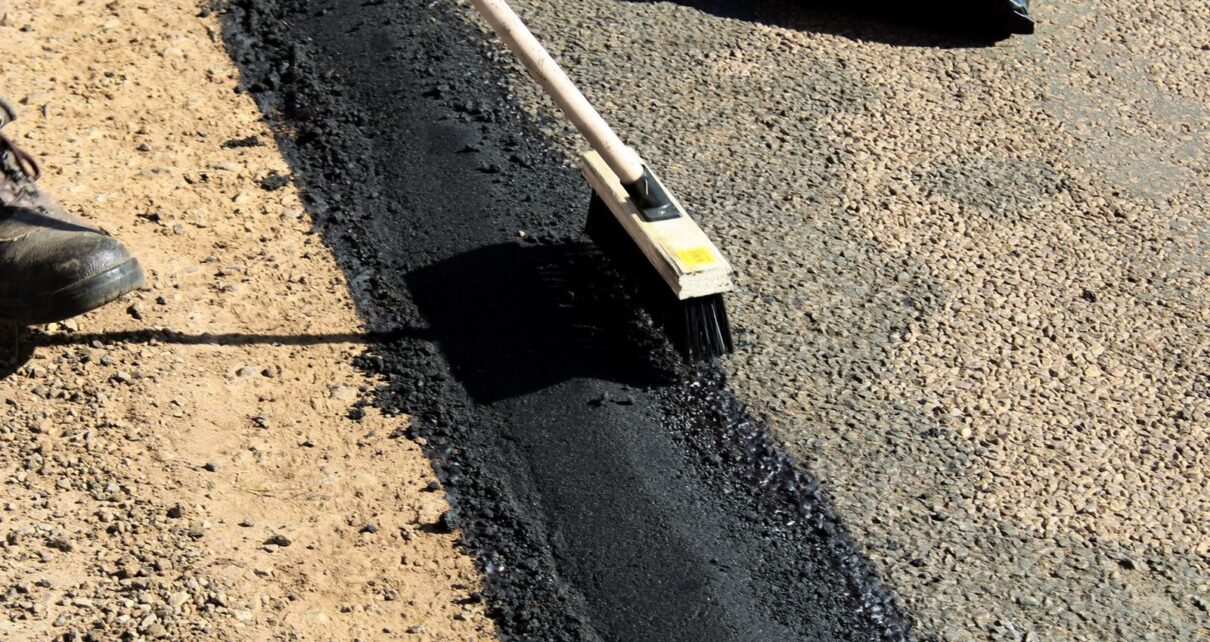
Between 2020 and the end of 2025, Cameroon is laying an average of 488 kilometers of asphalt roads each year, according to official government figures. This accelerated pace reflects a deliberate strategy to address the country’s longstanding infrastructure gap, where paved roads remain a minority despite the nation’s vast size and critical role in regional logistics.
Expanding the backbone of Cameroon’s road network
Over the six-year span, this sustained effort is set to add nearly 2,928 kilometers of paved roadway, transforming the national transport landscape. The initiative spans major interurban corridors, urban access routes, and regional connectors—all part of a broader ambition to modernize Cameroon’s transport system. More than just an engineering milestone, this road-building surge is a political and economic lever, unlocking access to agricultural regions, streamlining export routes, and connecting remote areas in the North and East.
The transformation is undeniable: once dominated by unpaved tracks, Cameroon’s road network is steadily gaining a durable asphalt backbone. While the annual 488-kilometer target marks progress compared to past slowdowns in large-scale projects backed by international lenders, the ratio of paved roads to the total classified network still lags behind regional benchmarks in the CEMAC zone. This disparity keeps pressure on policymakers to maintain momentum.
Boosting trade and regional competitiveness
The impact extends well beyond Cameroon’s borders. As a logistical hub for landlocked neighbors like Chad and the Central African Republic, Cameroon serves as a vital transit point via the port of Douala. Every asphalted kilometer on the Douala–N’Djamena and Douala–Bangui corridors directly lowers transport costs, reduces transit times, and improves reliability for freight operators. In practice, shippers and hauliers factor road conditions into their pricing—and the rapid deterioration of unpaved roads during the rainy season erodes profit margins across the supply chain.
The push to pave more roads also underpins Cameroon’s 2030 development vision, which positions a dense, reliable network as essential for industrial growth. Agro-industrial zones in the South-West, Littoral, and Far North depend on durable roads to move goods to domestic markets and export hubs. Equally critical is the role of road connectivity in attracting mining and timber investors, who closely monitor evacuation routes when assessing project feasibility.
Funding the road revolution: debt, budgets, and sustainability
The rapid pace of road construction comes with a financial footprint. Cameroon’s road program draws on domestic budget allocations, concessional loans from the World Bank and African Development Bank, bilateral financing, and credit lines from China’s Eximbank. While this funding mix enables quick mobilization of large capital inflows, it also raises concerns about debt sustainability and the need for strict fiscal discipline to safeguard future fiscal space.
Long-term success hinges on more than just construction. With several contractors reporting payment delays in recent years, the government faces the challenge of honoring financial commitments on time. Equally vital is ongoing maintenance: without a dedicated, sustainable funding stream—such as the Road Fund—and a systematic upkeep policy, newly paved roads can degrade within five to seven years, turning initial investments into hidden liabilities. Authorities have signaled plans to bolster toll systems and earmarked levies to secure steady revenue for maintenance.
Whether Cameroon can sustain—or even accelerate—its current pace of 488 kilometers of asphalt per year remains an open question, especially amid tightening budget constraints and persistent needs in rural and secondary road networks.