Senegal’s leader condemns western lgbtq+ agenda as cultural imposition
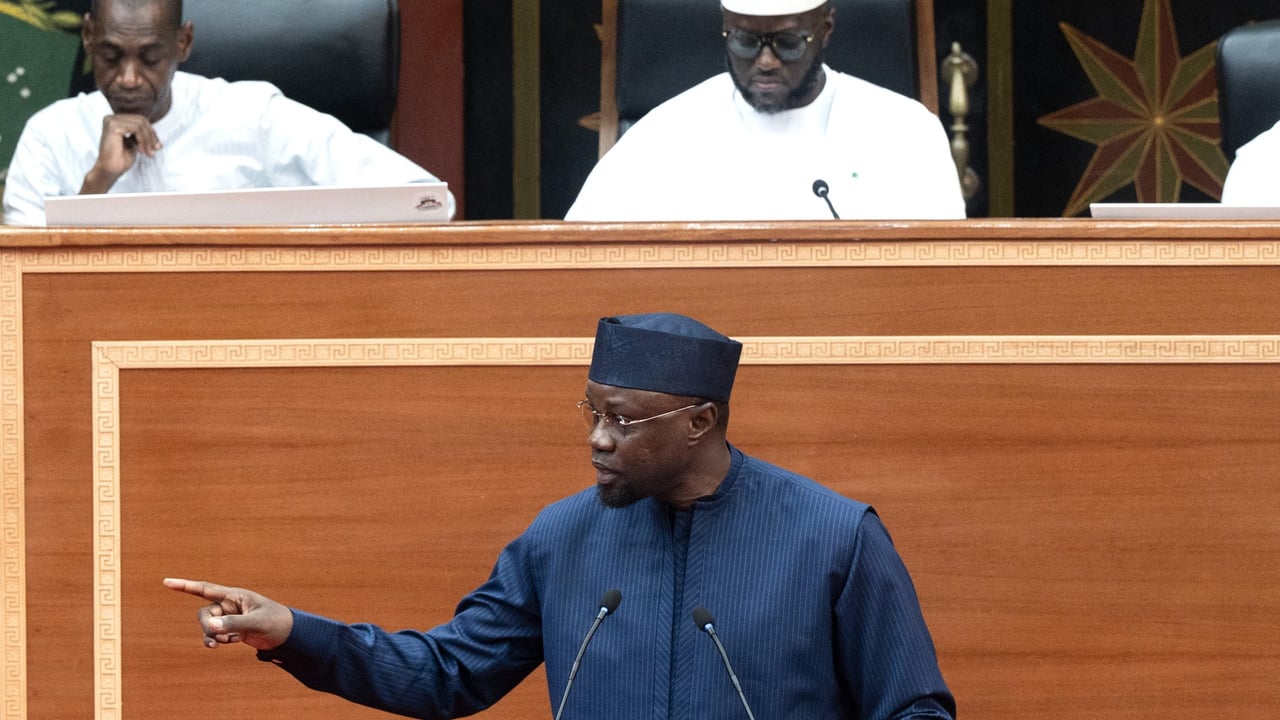
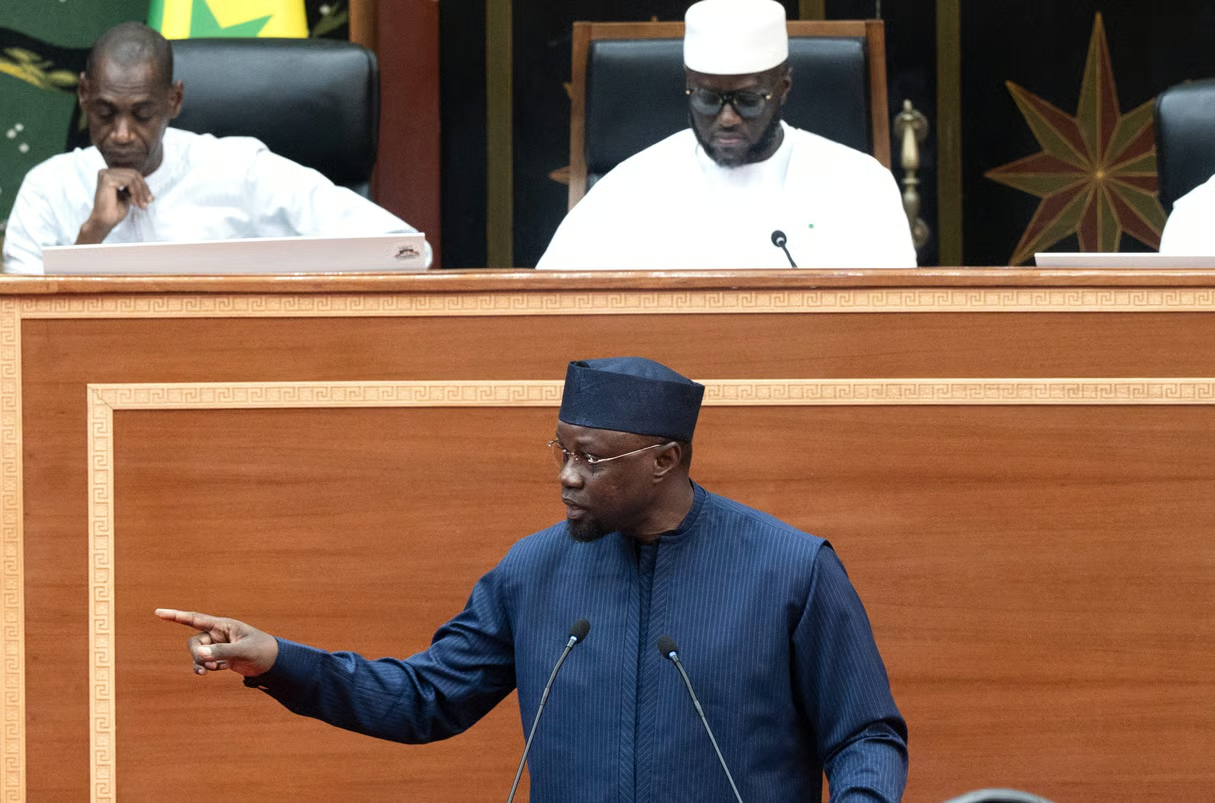
The Prime Minister of Senegal, Ousmane Sonko, has sharply criticized what he describes as Western efforts to globally normalize LGBTQ+ rights, calling the push an attempt to impose foreign cultural values on African societies. Speaking before the National Assembly in Dakar, Sonko emphasized that such movements threaten the country’s traditional values and social fabric.
a bold stance against external cultural pressure
In a fiery address to lawmakers, Sonko argued that LGBTQ+ rights advocacy is being systematically promoted by Western nations as a form of ideological colonization. He stressed that Senegal, rooted in its Islamic and cultural traditions, will not yield to what he termed “moral imperialism.” The Prime Minister’s remarks come amid growing debates across Africa about the acceptance of LGBTQ+ identities, with many governments resisting Western-driven agendas on the issue.
social values versus foreign influence
The Prime Minister’s speech highlighted a stark contrast between Senegalese societal norms and the global LGBTQ+ rights movement. He warned that accepting such values could lead to social fragmentation and undermine the country’s long-standing moral principles. His comments also touched on public health concerns, suggesting that the promotion of LGBTQ+ lifestyles could exacerbate the spread of HIV/AIDS, a persistent challenge in the region.
Sonko’s position aligns with broader sentiments in West Africa, where many leaders view LGBTQ+ rights as incompatible with local customs and religious beliefs. While international organizations continue to advocate for LGBTQ+ inclusion, the debate in Senegal remains deeply polarized between progressives and conservatives.
political implications and public reaction
The Prime Minister’s statements have sparked discussions among political analysts about the potential impact on Senegal’s international relations. Some observers suggest that his remarks could strain diplomatic ties with Western partners, particularly those funding health and human rights programs in the country. Meanwhile, civil society groups in Senegal have expressed concern that such rhetoric may fuel homophobia and discrimination against minority groups.
The speech also reignited conversations about the role of religion in shaping national policies. With Islam playing a central role in Senegalese society, many citizens support the government’s stance, viewing it as a defense of cultural sovereignty. However, advocates for LGBTQ+ rights argue that marginalized communities deserve legal protections and social acceptance.
looking ahead: Senegal’s path forward
As Senegal grapples with these complex issues, the Prime Minister’s words have set the stage for a broader national dialogue. The government faces the challenge of balancing respect for traditional values with the need to address public health crises and evolving social attitudes. Whether this will lead to legislative changes or further restrictions remains uncertain, but the debate is far from over.