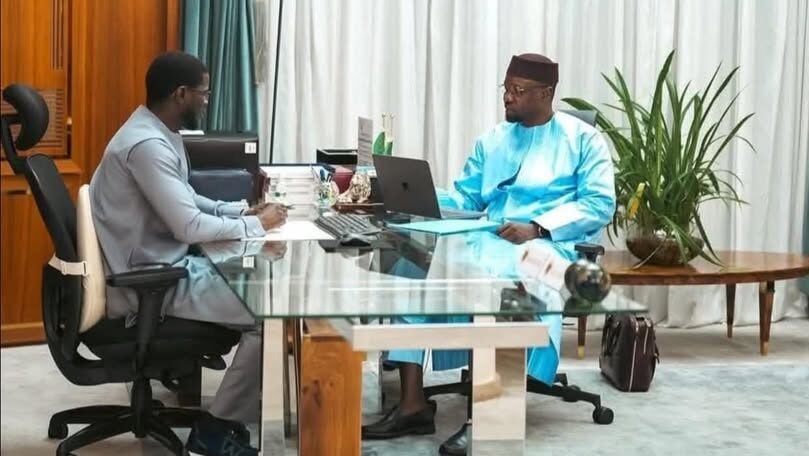
Senegal’s 2029 election: Bassirou Diomaye Faye clears path for Ousmane Sonko
In a decisive move, Senegalese President Bassirou Diomaye Faye has signed into law a controversial electoral reform bill, reshaping the political landscape ahead of the 2029 presidential election. The legislation, confirmed via an official decree, positions Prime Minister Ousmane Sonko as a leading contender for the nation’s highest office.
The new law, which introduces sweeping changes to the electoral code, arrives amid rising tensions within the ruling Pastef party. While some party officials had accused the president of stalling the process, the reform’s passage marks a turning point that could redefine the party’s future trajectory.
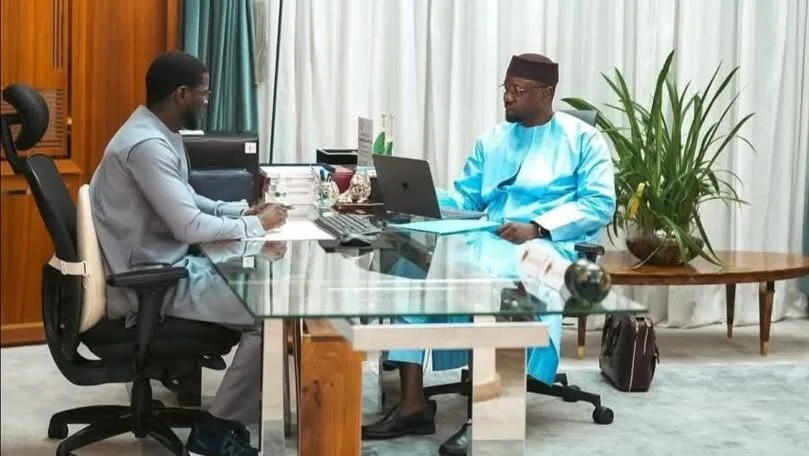
The reform, which underwent multiple revisions in the National Assembly, introduces critical modifications to civil disqualification rules. Under the new provisions, the duration of civil rights suspension following a conviction is capped at five years, replacing the previous indefinite ban. This change carries particular significance for Ousmane Sonko, whose 2023 conviction for defamation had barred him from contesting the 2024 presidential election.
Internal party strife
The legislative process was not without friction. After the initial adoption in late April, President Faye requested a second reading, citing technical discrepancies in the draft. This request fueled speculation within Pastef ranks, with some alleging the president sought to delay the reform for personal political gain. The bill ultimately cleared the Assembly on its second reading on May 9 before receiving final presidential approval.
The reforms explicitly address the retroactive nature of the new civil rights restoration rules, a provision that has drawn both praise and criticism. For Ousmane Sonko, whose 2023 conviction stemmed from a defamation case filed by a former minister under Macky Sall‘s administration, the changes could restore his eligibility for future elections.
What this means for 2029
Following his 2024 ineligibility due to the defamation conviction, Sonko was succeeded by Faye as Pastef’s presidential candidate. Since then, Sonko has reclaimed a prominent role as Prime Minister while maintaining his political influence. The electoral reform, combined with his parliamentary election victory in November 2024, positions him as a formidable figure in the 2029 race.
The new law’s retroactive application remains the most debated aspect, sparking legal and political discussions across the country. As Senegal navigates this evolving political landscape, the stage is set for a high-stakes presidential contest that could redefine the nation’s future direction.