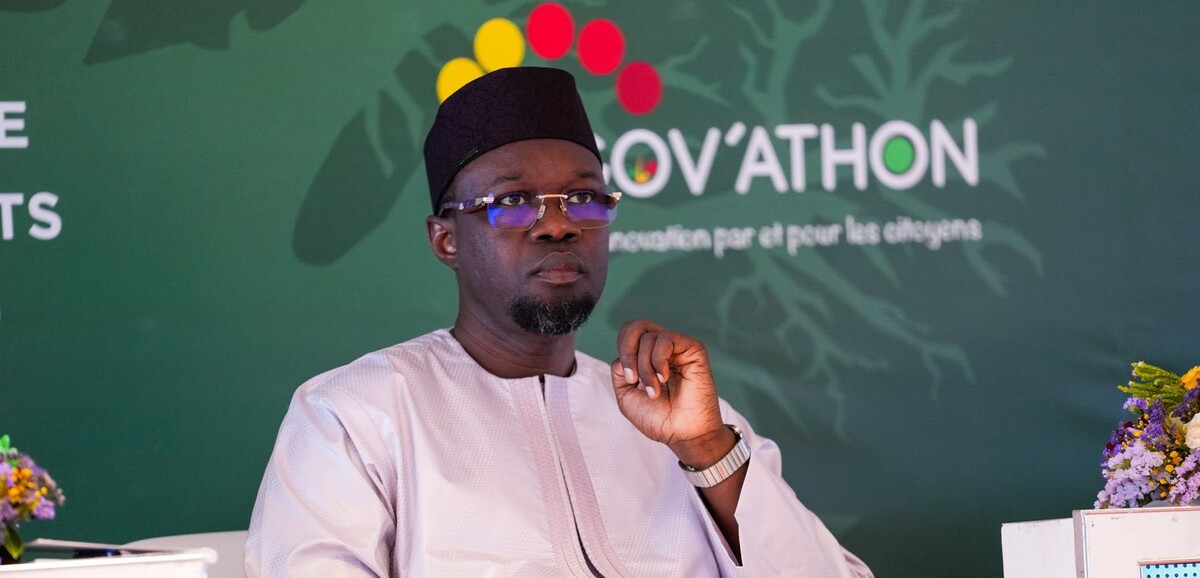
Senegal 2029: Ousmane Sonko’s eligibility revived by new electoral law
Political landscape shifts as President Bassirou Diomaye Faye signs electoral reform that may clear the way for the opposition leader’s 2029 bid.
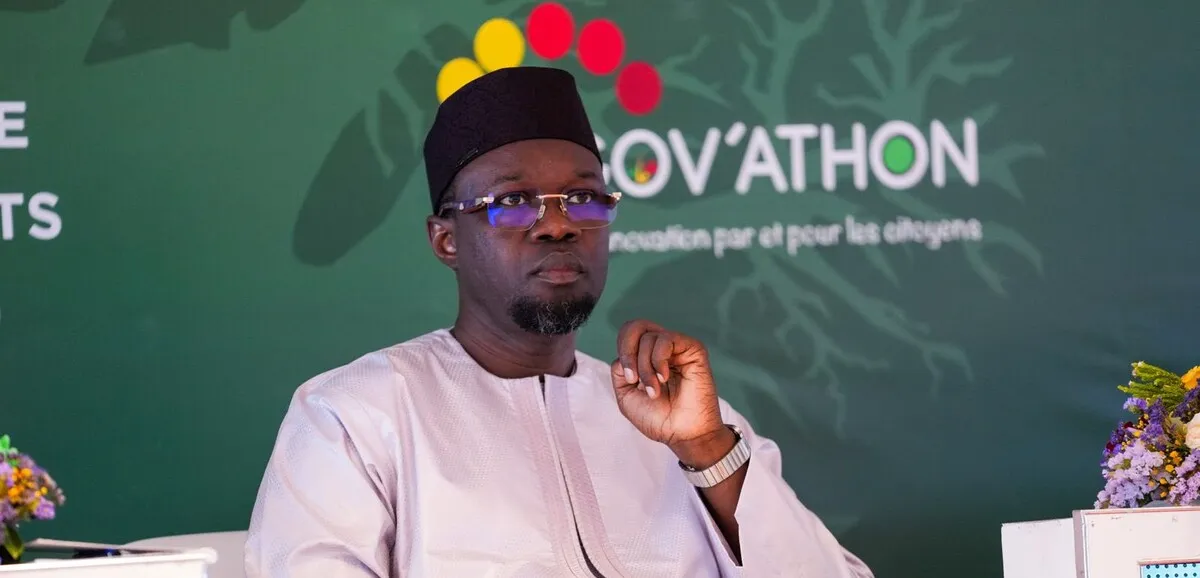
The revised electoral framework in Senegal introduces critical changes to civic rights restoration. The law now limits the five-year waiting period after sentence completion and includes retroactive measures, potentially reinstating Ousmane Sonko’s eligibility for the 2029 presidential election.
Sonko’s 2024 exclusion
The former Prime Minister was barred from contesting the 2024 election following a defamation conviction upheld by the Supreme Court. Bassirou Diomaye Faye, backed by the Pastef coalition, ultimately secured the presidency in his place.
Internal party divisions surface
Reform passage has deepened rifts within the Pastef movement. Sonko’s allies recently accused President Faye of attempting to obstruct the legislation, sparking speculation about looming power struggles ahead of 2029.
Political implications take center stage
Despite his 2024 disqualification, Sonko won a parliamentary seat in that year’s legislative elections before stepping down to maintain his role as head of government. His camp now argues this sequence validates his future presidential eligibility.