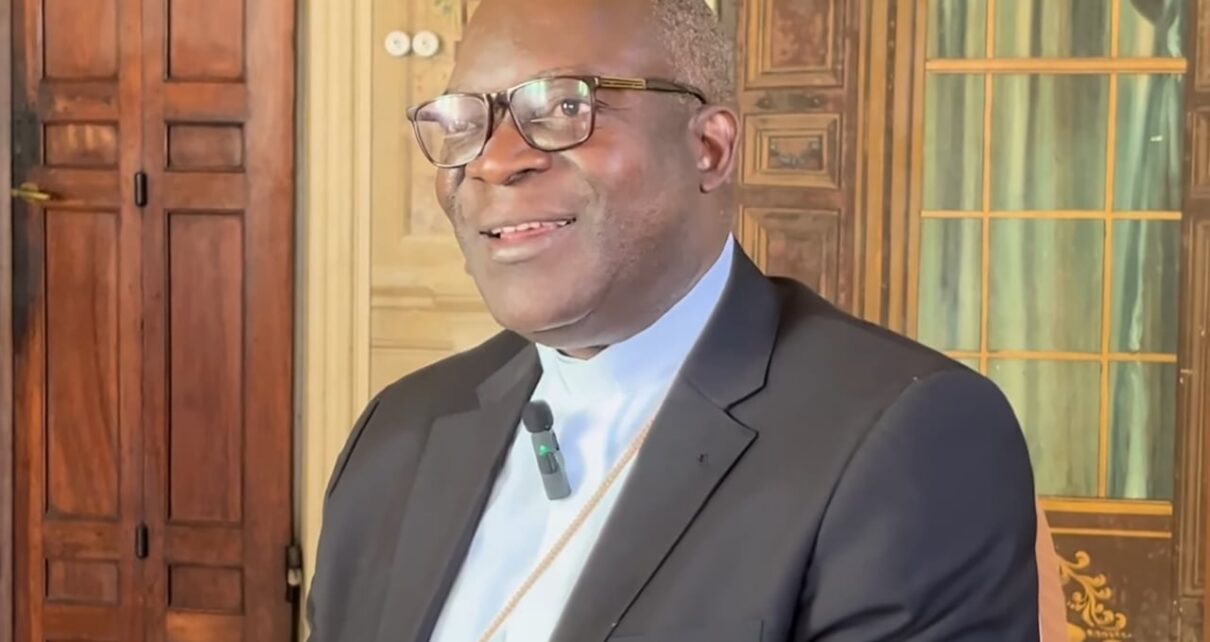
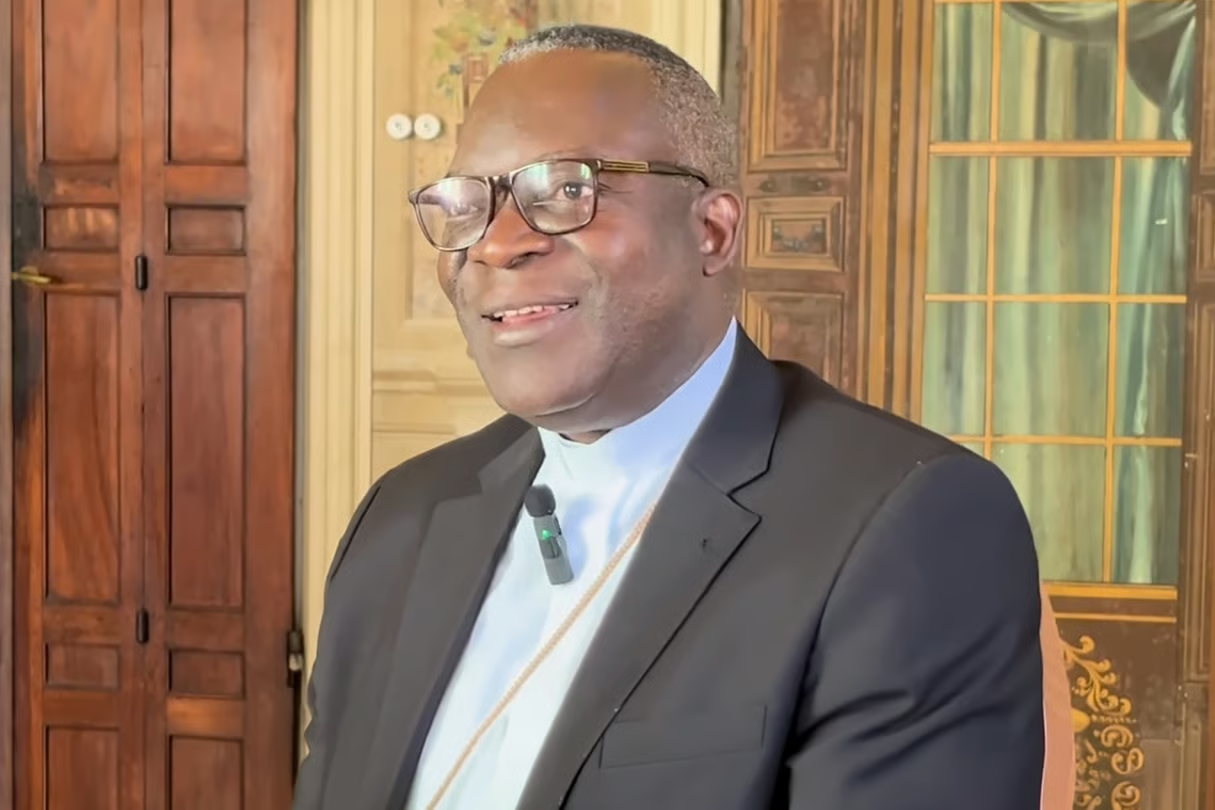
The head of the National Episcopal Conference of Congo (Cenco), Bishop Fulgence Muteba, has strongly opposed the planned constitutional referendum, citing the nation’s ongoing armed conflict as a major obstacle to such a process.
In a candid interview, the bishop emphasized that war disrupts normal governance and makes it impossible to conduct fair and inclusive consultations. “The timing is completely inappropriate,” he stated. “A country at war cannot hold meaningful democratic debates.”
The church’s stance on constitutional reform
Cenco has consistently called for national unity and stability before any major political reforms. Bishop Muteba highlighted that current priorities should focus on ending hostilities and restoring peace, rather than altering the constitution.
The bishop’s remarks reflect growing concerns among religious leaders and civil society about the timing and legitimacy of the proposed referendum. Many argue that the security crisis has already sidelined millions of citizens, making their participation in such a process nearly impossible.
Reactions from political figures
The announcement of the referendum has sparked debate among political figures. Some supporters view it as a necessary step toward modernization, while critics—including the Catholic Church—argue it could deepen divisions in an already fragile state.
Bishop Muteba warned that pushing ahead with the vote under current conditions could undermine trust in institutions and fuel further instability. “The people deserve peace first,” he said. “Without that, no reform will be sustainable.”
Why the church opposes the referendum
- Security concerns: Large parts of the country remain inaccessible due to armed clashes, making voter registration and participation impossible.
- Lack of consensus: Major political and social groups have not agreed on the need for constitutional changes at this time.
- Humanitarian priorities: The focus should be on addressing the needs of displaced populations rather than political restructuring.
The bishop’s position underscores a broader tension between those advocating for immediate political changes and those prioritizing stability and survival in a war-torn nation.