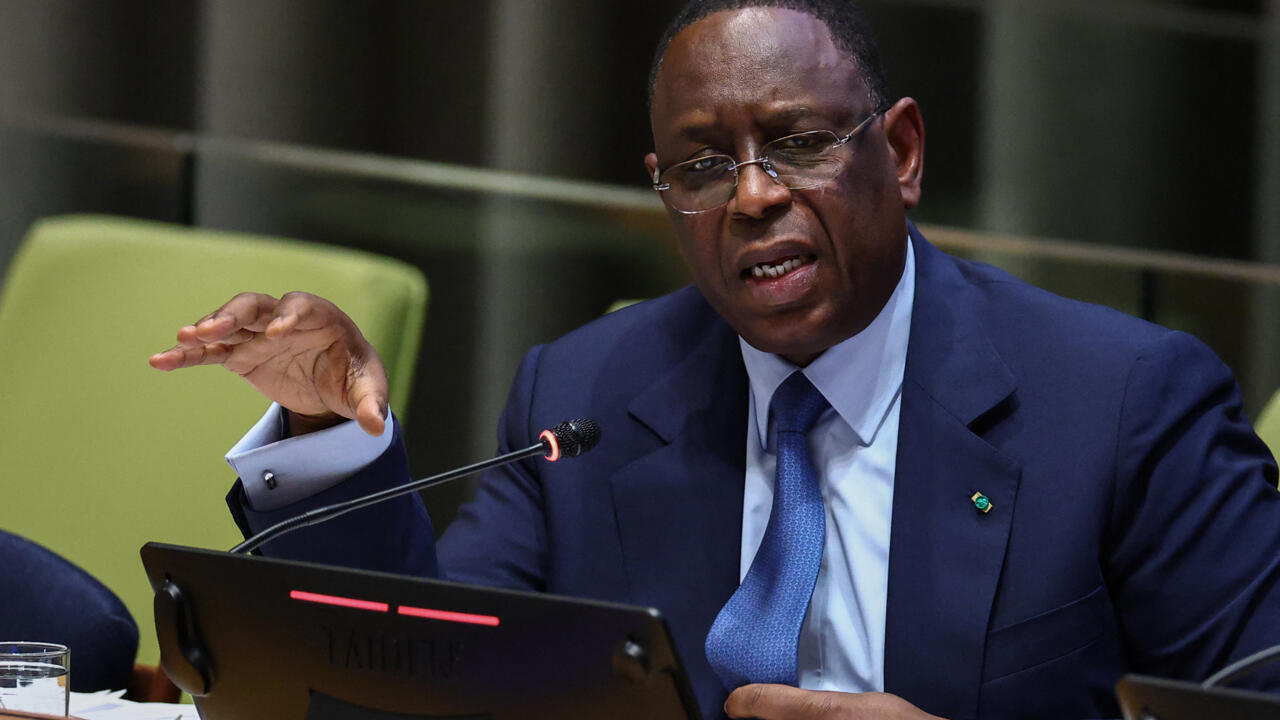
Just days after hosting former President Macky Sall at the Presidential Palace, Senegalese leader Bassirou Diomaye Faye formally announced on July 20 the country’s full support for Sall’s candidacy for UN Secretary-General. The diplomatic backing comes with Senegal mobilizing its entire diplomatic apparatus to present Sall’s bid as the nation’s official choice.
This reversal marks a significant turnaround from the reservations expressed in March, when Senegal had opposed Sall’s candidacy within the African Union. The new stance substantially strengthens Sall’s campaign, allowing him to leverage the endorsement of the very state he led for twelve years. But what motivated this sudden diplomatic shift, and could it further strain relations between President Faye and his former Prime Minister, Ousmane Sonko?
Analysts weigh in on the implications: The decision reflects a calculated move to reinforce Senegal’s international profile while also navigating complex internal political dynamics. By aligning with a former president whose influence remains significant, Faye may be seeking to consolidate support across Senegal’s political spectrum — a strategy that could either stabilize his leadership or deepen divisions within the ruling coalition.
The road to Senegal’s U-turn
Sall’s UN bid gained momentum earlier this year, particularly after his high-profile appearances at the United Nations in April 2026. Yet, Senegal’s initial reluctance in March underscored broader concerns over regional unity and the potential implications of backing a candidate perceived as a relic of the previous administration. The shift now signals a pragmatic reevaluation, placing national interests above earlier reservations.
Key considerations:
- Diplomatic leverage: Senegal’s full support could tip the scales in Sall’s favor within the African bloc, a critical voting bloc in the UN selection process.
- Political calculus: Faye’s move may aim to strengthen his own position by demonstrating decisive leadership, even if it risks alienating Sonko and his allies.
- Regional dynamics: The decision could reshape alliances in West Africa, particularly among Francophone nations, where Sall remains a respected figure.
What’s next for Senegal’s foreign policy?
With this endorsement, Sall’s candidacy gains unprecedented institutional backing, positioning him as the candidate of a unified Senegal. Yet, questions linger about the long-term impact on Faye’s domestic agenda. As Senegal navigates this diplomatic pivot, the balance between international ambitions and internal cohesion will be closely watched.
The timing of this shift — coming shortly after Sall’s visit to the Presidential Palace — suggests a carefully orchestrated rapprochement. Whether this will translate into broader political harmony or further discord remains to be seen.