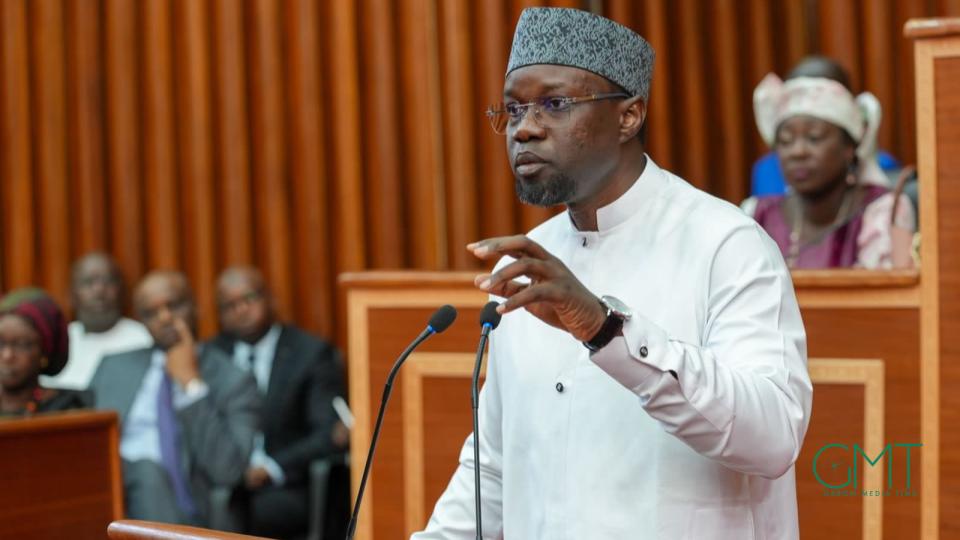
Just days after Senegal’s Prime Minister was replaced and a new cabinet named, deepening rifts have emerged between opposition leader Ousmane Sonko and President Bassirou Diomaye Faye. Attempts to negotiate the inclusion of senior figures from his party, Pastef-Les Patriotes, in the new government collapsed this week following a series of high-level discussions.
In an official statement released on June 1 by Pastef’s Executive Committee and shared by Sonko on his social media page, the party confirmed it would not be nominating any officials to serve in the incoming administration. “This decision reflects our commitment to the values and strategic vision endorsed by our leadership,” the communiqué stated, emphasizing the party’s “responsible approach” throughout the process.
Over recent days, Pastef’s leadership held multiple meetings with the Head of State to align on the composition of the new executive team. While some areas of agreement were identified during an extended June 1 morning discussion between Sonko and President Faye, fundamental differences remained unresolved—particularly regarding the role and influence of the majority bloc within the executive structure.
Governance disputes stall coalition talks
Following the inconclusive tête-à-tête, Pastef’s Executive Committee reviewed the situation and submitted revised proposals to the President. However, these were not accepted, prompting the party to withdraw entirely from government formation negotiations. “Pastef-Les Patriotes will not be part of the next government and will not have any ministers in the cabinet,” the statement declared without ambiguity.
This bold stance risks reshaping Senegal’s political landscape at a time when citizens are demanding urgent solutions to pressing economic and social issues. Despite the breakdown in talks, Pastef extended a gesture of goodwill, “wishing the new administration every success,” signaling its intention to remain a key parliamentary force—especially now that Sonko leads the National Assembly. The coming days will reveal how this latest development impacts the balance of power at the highest echelons of the Senegalese state.