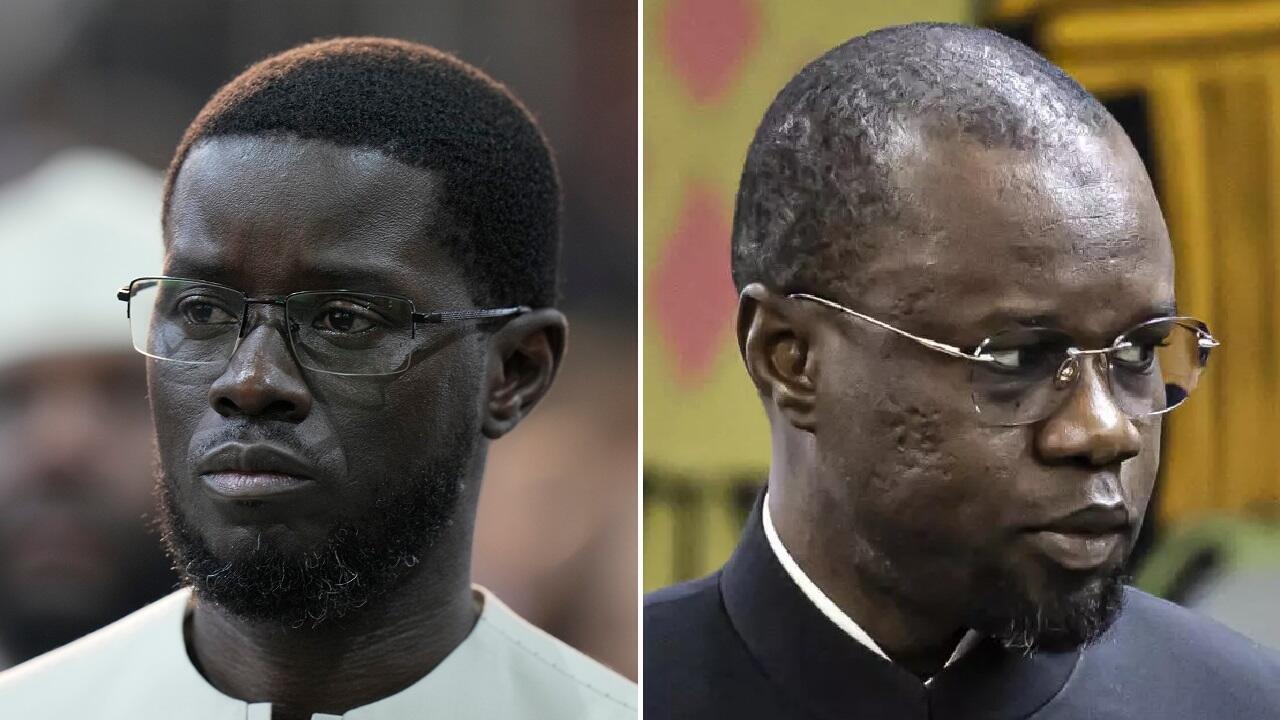
Senegal’s political shift: Ousmane Sonko elected as National Assembly President
In a dramatic political development, Ousmane Sonko, leader of the Pastef party and former Prime Minister of Senegal, has been elected as the President of the National Assembly just days after his removal from the government led by President Bassirou Diomaye Faye. This swift transition marks a significant moment in the country’s political landscape, with Sonko reaffirming his commitment to constructive dialogue with the head of state.
Following his ousting from the Prime Minister’s office, Sonko’s election to the presidency of the National Assembly underscores his enduring influence in Senegalese politics. During his inaugural address, he emphasized his willingness to engage in meaningful discussions with President Bassirou Diomaye Faye, signaling a potential shift in the country’s governance dynamics.
Analysts weigh in on Sonko’s new role
Political analyst and economist Gilles Yabi, founder of the citizen think tank Wathi, shared insights on the implications of Sonko’s appointment. “This election reflects the evolving political priorities in Senegal,” Yabi noted. “Sonko’s leadership in the Assembly could redefine legislative-executive relations and shape future policy directions.”
What to expect from Sonko’s presidency of the Assembly
Sonko’s new position grants him significant legislative influence, raising questions about the future of Senegal’s political reforms. Key areas to watch include:
- Policy reform acceleration: Sonko’s party, Pastef, may push for faster implementation of policy changes.
- Government oversight: Enhanced scrutiny of executive actions could become a hallmark of his tenure.
- Public engagement: Sonko’s proactive stance suggests greater focus on citizen participation in governance.
The political landscape in Senegal is evolving rapidly, with Sonko’s election marking a pivotal moment in the country’s democratic process. As the Assembly convenes under his leadership, all eyes will be on how this new dynamic unfolds between the legislative and executive branches.