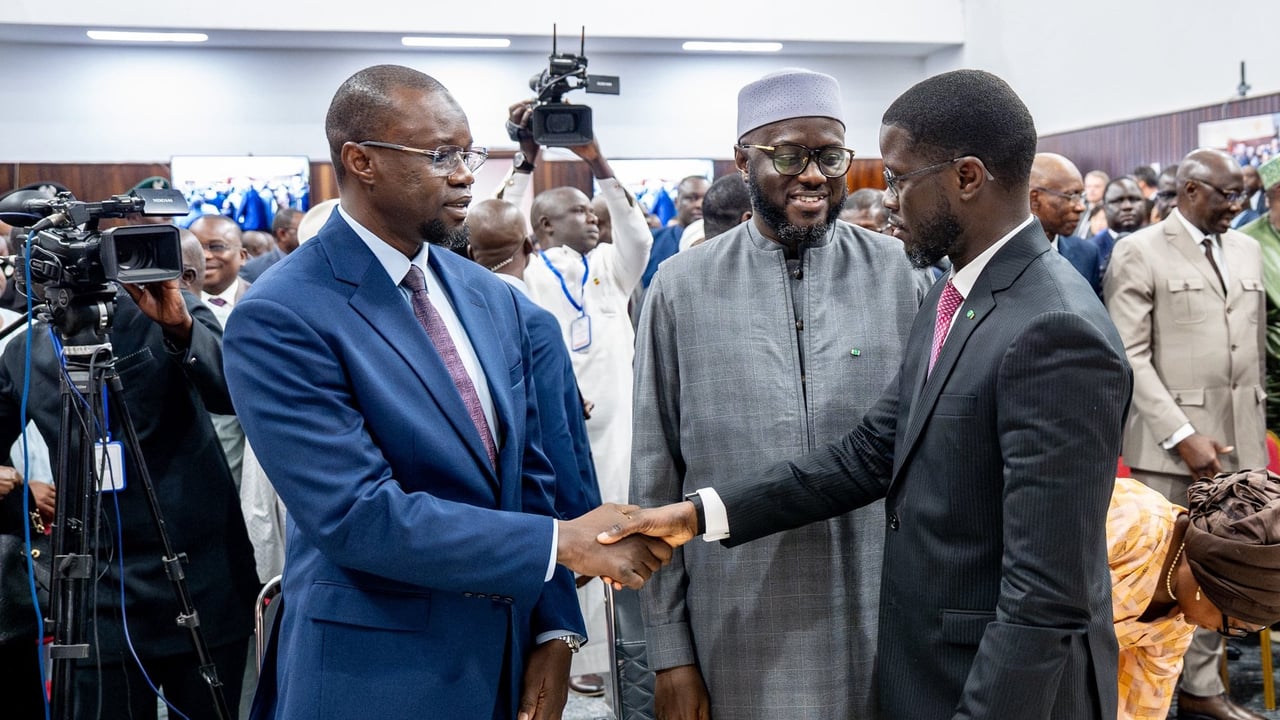
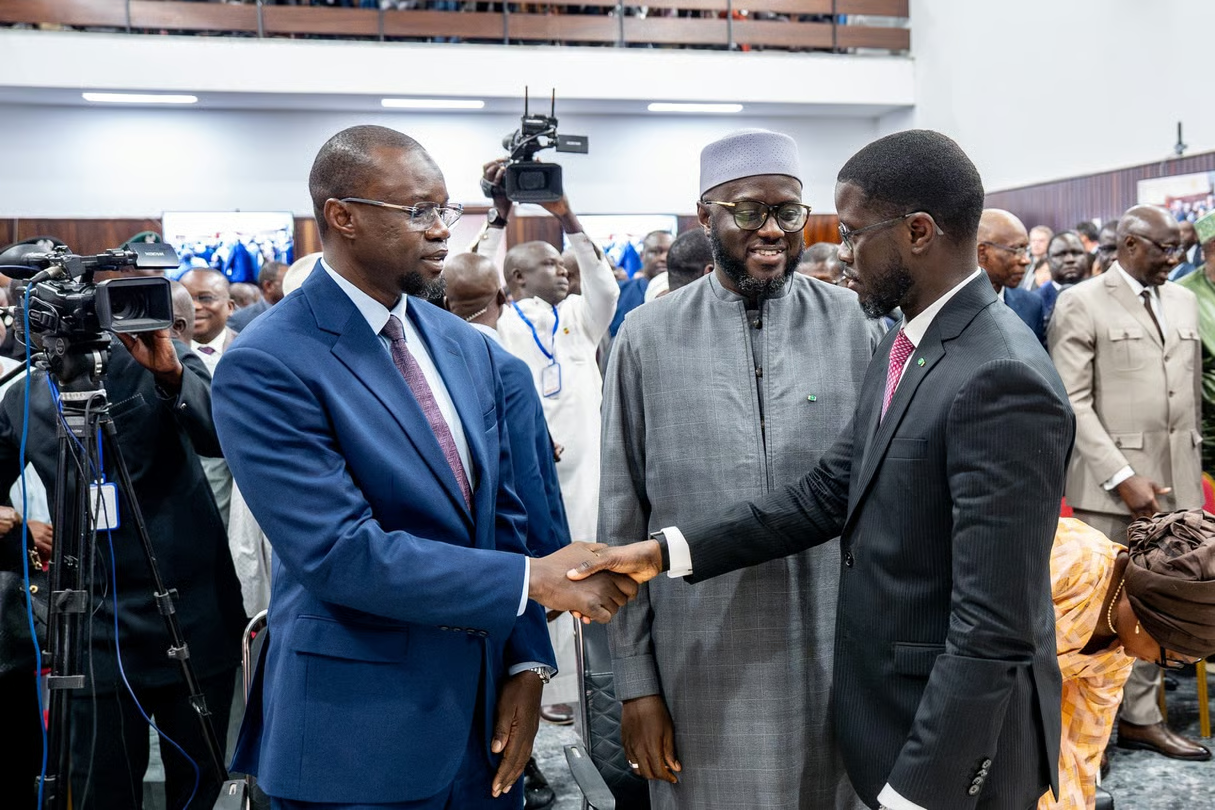
Senegal’s latest political decision sparks national conversation
In a decisive move reshaping the country’s leadership landscape, President Bassirou Diomaye Faye has terminated the mandate of Prime Minister Ousmane Sonko. This unexpected development marks a pivotal shift in Senegal’s governance structure, reflecting broader political realignments within the West African nation.
The announcement, made during a late-night address on May 22, underscores the evolving dynamics between the presidency and the prime minister’s office. Observers note that this decision could have far-reaching implications for Senegal’s policy direction and administrative efficiency in the coming months.
Consequences of the prime minister’s dismissal
Ousmane Sonko, a prominent political figure whose influence has shaped recent legislative and executive agendas, now faces a new phase in his career. The termination of his role as head of government raises questions about the future trajectory of key national initiatives he championed, including economic reforms and social welfare programs.
Analysts suggest that President Faye’s decision may signal a strategic pivot in governance priorities. The move could accelerate policy implementation or introduce fresh perspectives aimed at addressing pressing domestic challenges, from youth unemployment to infrastructure development.
Public and political reactions
The dismissal has triggered a wave of reactions across Senegal’s political spectrum. Supporters of Ousmane Sonko highlight his contributions to transparency and anti-corruption efforts, while critics point to controversies surrounding his tenure. Meanwhile, proponents of President Faye’s decision emphasize the need for cohesive leadership in navigating the country’s economic and security challenges.
As the nation processes this development, political commentators anticipate further adjustments in cabinet positions and policy frameworks. The coming weeks will likely reveal how this leadership change impacts both domestic stability and Senegal’s role on the continental stage.