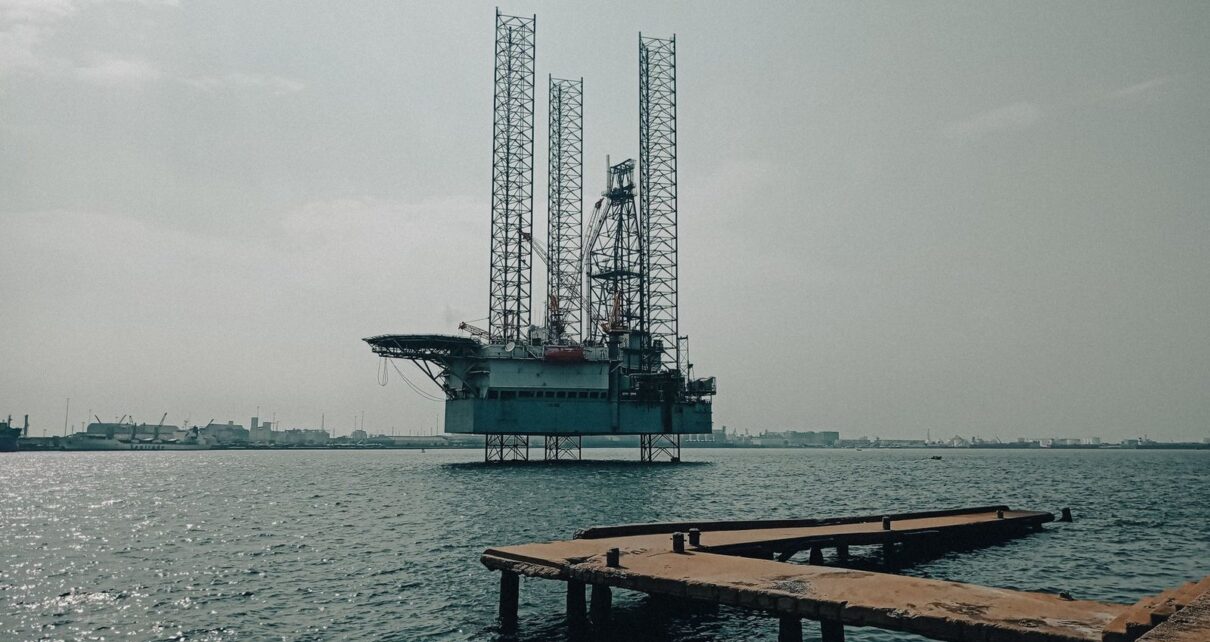
Shell is making a significant return to Gabon’s oil industry, marking a decade since its exit from the country. The British-Dutch energy giant is set to reinvest in Gabon’s sedimentary basin as authorities in Libreville work to reverse the steady decline in hydrocarbon production. This move comes amid ongoing political reforms aimed at restoring investor confidence in the sector.
Shell initially withdrew from Gabon in 2016, selling its onshore assets to Assala Energy, a subsidiary of the Carlyle Group at the time. The deal, valued at hundreds of millions of dollars, was part of a broader global portfolio rationalization focused on higher-return projects such as liquefied natural gas and deepwater exploration. The departure left a noticeable void, as Shell had been a long-standing operator in the country’s oil sector.
Political momentum behind Gabon’s oil sector revival
The return of the major oil company aligns with the presidency of Brice Clotaire Oligui Nguema, who assumed power in August 2023 and was later confirmed by elections. In recent months, Gabonese authorities have intensified efforts to make the upstream sector more appealing to international investors. This includes revisions to the hydrocarbons code, renewed licensing rounds, and bilateral discussions with several energy majors. The goal is to reverse the current production trend, which hovers around 200,000 barrels per day—a stark contrast to the peak levels achieved in the late 1990s.
For Shell, this comeback is far from arbitrary. The company once prioritized divesting mature, low-strategic-value assets but has since reassessed its strategy for Africa. Factors such as the scarcity of major onshore discoveries, rising deepwater exploration costs, and the search for medium-term oil growth opportunities have reshaped the company’s investment priorities. Gabon’s offshore basins, particularly those with deepwater potential and pre-salt formations, now hold renewed appeal in this evolving landscape.
Steadying Gabon’s declining oil production
Oil remains Gabon’s top foreign exchange earner, contributing over 40% of the national budget and nearly 80% of exports. However, the gradual depletion of mature fields, coupled with cautious investment over recent years, has strained this economic pillar. Authorities are banking on the return of major players to boost exploration and extend the lifespan of existing fields.
Several international companies have already signaled renewed interest in Gabon. The national oil company, Gabon Oil Company (GOC), is playing a more prominent role in managing assets as existing contracts expire or undergo renegotiation. Shell’s potential return could unfold in collaboration with other local operators such as Perenco, TotalEnergies, and BW Energy, all of which have strengthened their positions in the country’s offshore blocks.
Uncertain yet strategic: the details of Shell’s return
Key details about Shell’s redeployment remain unclear: the specific blocks involved, investment timelines, financial commitments, and the contractual model. The type of permits targeted—whether onshore or deepwater—will dictate the scale of the return. Investing in deepwater projects could require commitments of several hundred million dollars, whereas a focus on mature assets might involve a more cautious, production-optimization approach.
Beyond Shell’s case, Gabon’s new oil policy credibility is on the line. The ability of Libreville to translate policy announcements into concrete investments—amid stiff competition from countries like Nigeria, Angola, Namibia, and Senegal for global capital—will shape the sector’s trajectory over the next decade. The return of Shell serves as a critical test for the new administration’s ambitions.