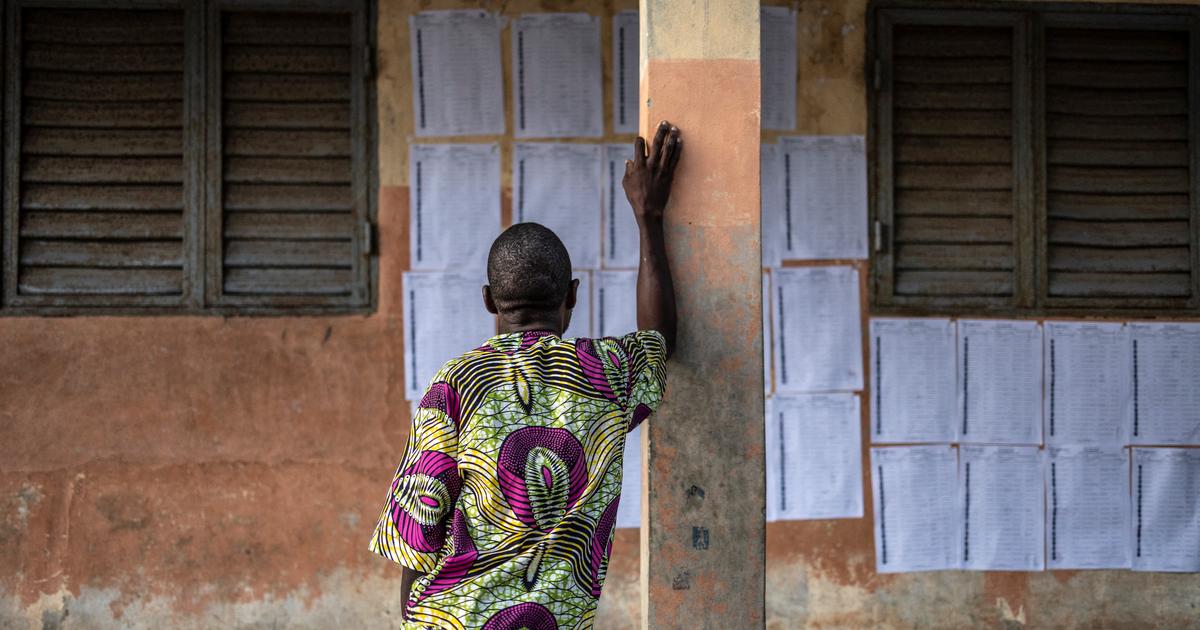
“Predictable contests”, “one-sided races”, “first-round sweeps by incumbents”. African presidential elections in 2025 revealed a disturbing pattern: opposition candidates were systematically sidelined even before campaigning began. Recent votes in Djibouti and Benin—held on April 10 and 12 respectively—epitomized this trend. In Djibouti, incumbent President Ismaïl Omar Guelleh clinched a sixth term with 97.8% of the vote, while in Benin, Romuald Wadagni, widely seen as Patrice Talon’s successor, secured 94% of ballots. Both victories featured minimal genuine opposition.
When money becomes the ultimate barrier
In Djibouti, opposition leader Alexis Mohamed abandoned his bid after citing prohibitive “nomination fees” as a primary obstacle. While he also raised concerns about campaign safety, the financial hurdle proved insurmountable. Observers described the vote as “a procedural exercise rather than a genuine democratic contest.”
Across the continent, candidates face exorbitant campaign costs that often exceed millions of local currency—sums few opposition figures can muster. These fees, set by electoral authorities, frequently include:
- Deposit requirements for candidacy, often 100 times higher than in previous decades;
- Mandatory advance payments for polling station access and materials;
- Collateral bonds that are forfeited if results are challenged.
Such financial barriers don’t just deter challengers—they reshape the electoral landscape by reserving the field for establishment candidates. In Benin, critics argue the system is engineered to favor continuity over competition. “The deck is stacked from the start,” noted one political analyst. “These elections aren’t about voters’ choices—they’re about who can afford to run.”
Beyond Djibouti and Benin
The issue extends beyond these two nations. In multiple African states, opposition parties have either boycotted elections or been disqualified due to unattainable fee structures. The pattern raises serious questions about electoral integrity and the democratic process itself. As one observer put it: “When only the wealthy can compete, democracy becomes a privilege—not a right.”