Sonko reveals deeper reasons behind political split with Faye
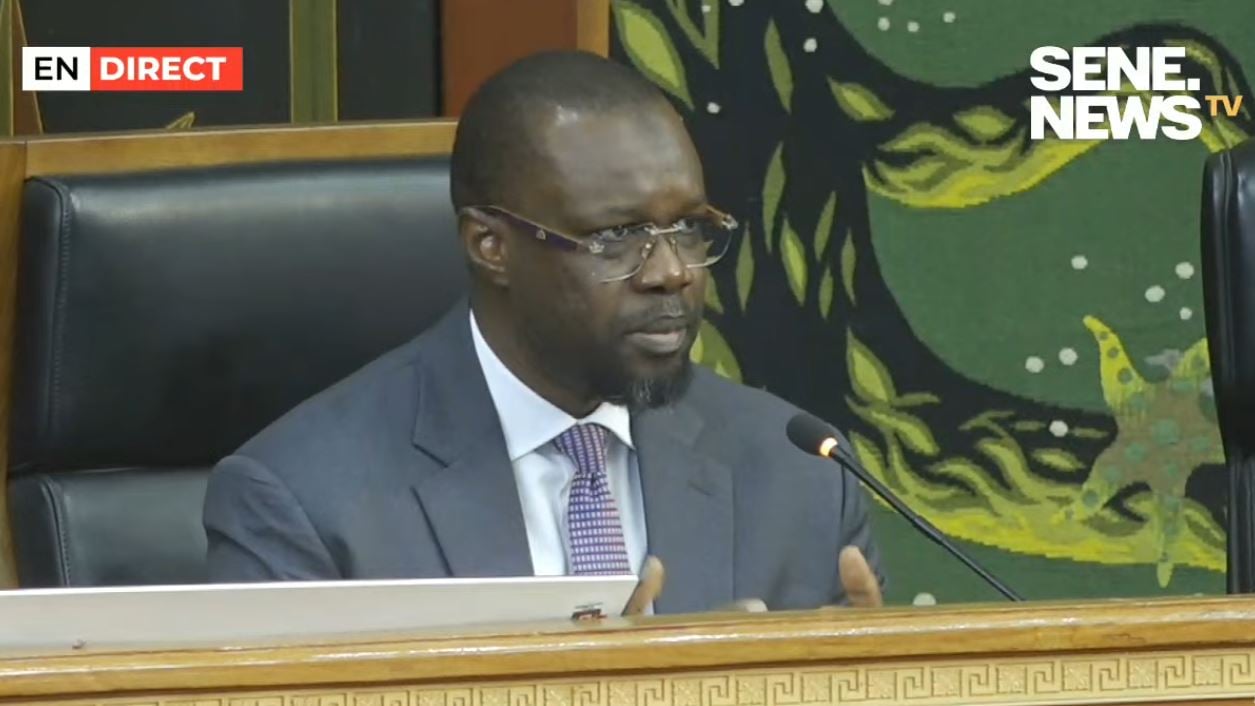
Freshly elected as President of the National Assembly, Ousmane Sonko has shed light on the fundamental reasons behind his political break with Bassirou Diomaye Faye. In a reflective address, he questioned the very essence of governance, urging a return to ethical values to safeguard the Republic.
Beyond personal rivalry: a philosophical stance on governance
Days after his removal from the Prime Minister’s office and his election as National Assembly President, Ousmane Sonko delivered a profound speech outlining the core motivations behind his political split with President Bassirou Diomaye Faye. The former head of government framed the debate not around power acquisition, but its ultimate purpose.
In a discourse rich with philosophical and historical references, Sonko rejected the notion that recent tensions at the state’s summit stemmed from mere personal disagreements. « The stakes transcend individuals. What is at stake is the relationship between morality and politics, » he declared, setting the tone for his argument. Drawing on the wisdom of philosopher Aristotle, Sonko emphasized that politics, in its purest form, is « the highest art » when directed toward the common good. He underscored a critical truth: no society can endure if its leaders stray from virtue and the collective interest.
Senegal’s political heritage: a call to uphold integrity
Expanding his reflection, Sonko turned to Senegal’s political history, invoking the legacy of Mamadou Dia as a guiding example. He recalled how, in the early years of independence, Dia warned against merging state authority with private interests. For Sonko, sovereignty could never be merely political; it had to be moral, economic, and social. « A nation may possess a flag, an anthem, and institutions, yet remain enslaved by practices that strip the Republic of its meaning, » he cautioned, highlighting the vulnerability of African states to the erosion of public ethics.
Moral fatigue: the silent threat to nations
Sonko also offered a broader analysis of contemporary political crises. He argued that nations do not collapse solely under the weight of material poverty, but also from « moral exhaustion. » When institutions cease serving the people and instead become tools for personal agendas, he warned, the very spirit of the Republic weakens. Without naming names, the new Assembly President implied that the rift with the head of state stemmed from a fundamental disagreement over governance ethics and the principles governing power.