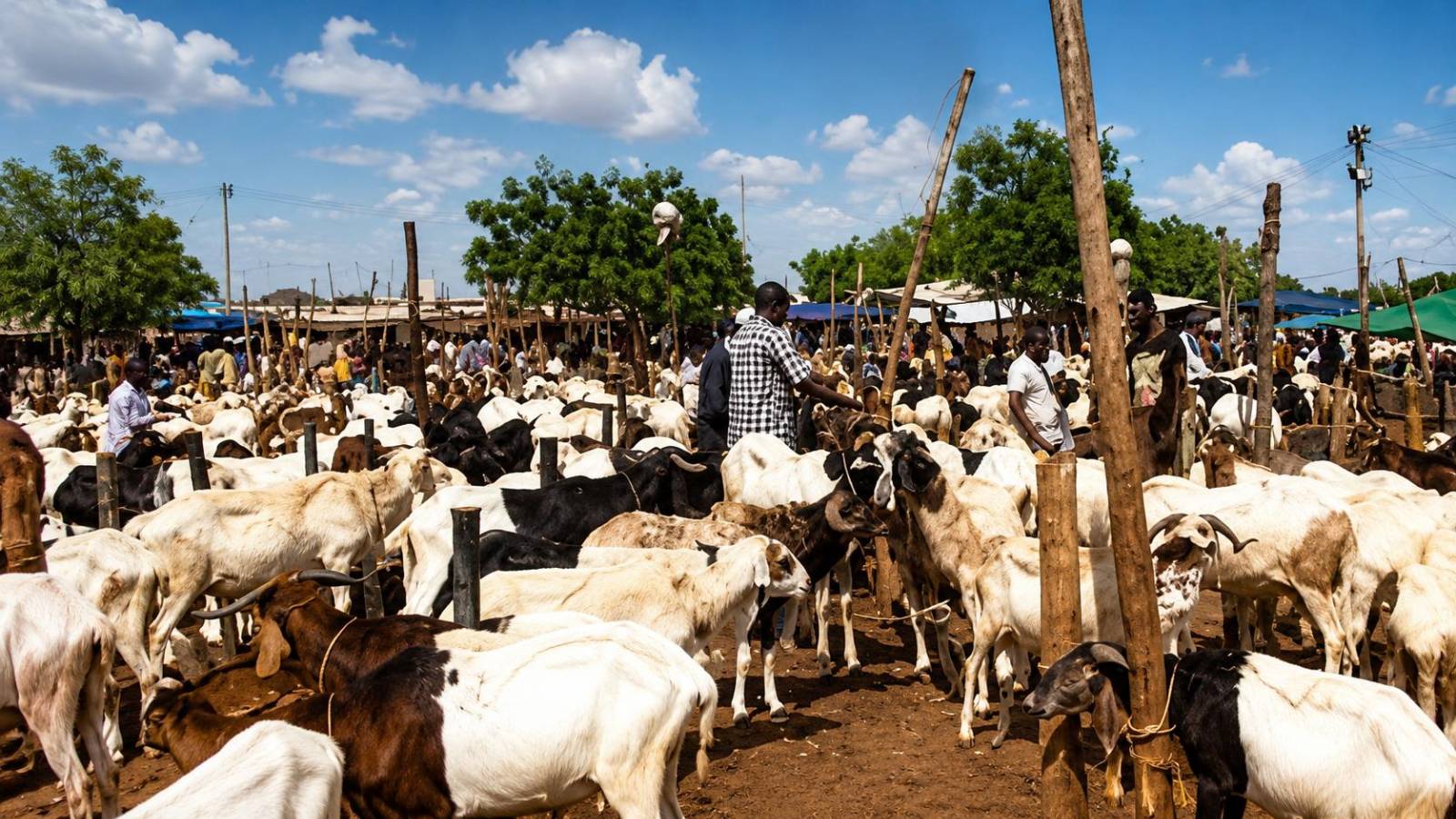
Burkina Faso’s government recently implemented a significant policy shift by prohibiting cattle exports as the Tabaski festival approaches. This bold move aims to prioritize local consumer needs over established regional market dynamics. While the social intentions behind this decision may seem commendable, it concurrently introduces notable contradictions and carries substantial economic risks for the nation.
The purchasing power paradox: urban relief, rural burden
The core inconsistency of this policy is striking. To appease urban consumers, including civil servants and families in Ouagadougou, the government has mandated a reduction in sheep prices. However, this comes at a steep cost, borne primarily by rural livestock breeders. These producers are already grappling with severe insecurity, rampant cattle theft, and dwindling pastures, all exacerbated by the ongoing security crisis. By denying them access to lucrative export markets in countries like Côte d’Ivoire and Bénin, the state is effectively diminishing the income of an already highly vulnerable rural population. In essence, urban festivities are being subsidized through the impoverishment of rural communities. This is a critical development for Faso news today.
The domestic market illusion: can Burkina Faso absorb it all?
The initial premise appears straightforward: close borders to saturate the national market. Yet, the Burkina Faso market possesses inherent limitations. Tabaski represents a singular, time-bound event. What becomes of the animal surplus once the celebrations conclude? Livestock constitutes a living commodity, requiring daily sustenance, which is costly. Should breeders fail to secure buyers within Burkina Faso, or be compelled to sell their animals at a loss, the entire sector risks financial strangulation within a few months. While the government’s long-term aspiration to process meat domestically through modern abattoirs is a sound strategy, current infrastructure is simply not equipped to instantly handle such an immense volume. This situation is generating significant Ouaga latest news.
Geopolitical fallout: widening rifts with coastal nations
This policy underscores Burkina Faso’s readiness to sever regional economic ties in pursuit of sovereign objectives. By halting livestock shipments to Côte d’Ivoire and Bénin, Ouagadougou is effectively leveraging its national herd as an instrument of economic pressure. However, trade inherently operates as a two-way street. Should Burkina Faso maintain its export blockade, it compels neighboring countries to seek new arrangements. Côte d’Ivoire, for instance, is already exploring alternative sourcing from Mauritania. Over the long term, Burkina Faso faces the distinct possibility of permanently forfeiting valuable historical markets. Furthermore, this situation highlights the constraints of regional integration, as the immediate pursuit of self-sufficiency appears to supersede established West African trade agreements. From a macroeconomic perspective, this represents an exceedingly risky gamble, jeopardizing the livelihoods of breeders, threatening the future viability of the livestock sector, and further isolating the nation from its traditional economic allies. This is important Burkina government news for regional stability.