
Published today at 7:00 PM Reading time: 9 minutes.
File generated on
From imprisonment to behind-the-scenes diplomacy
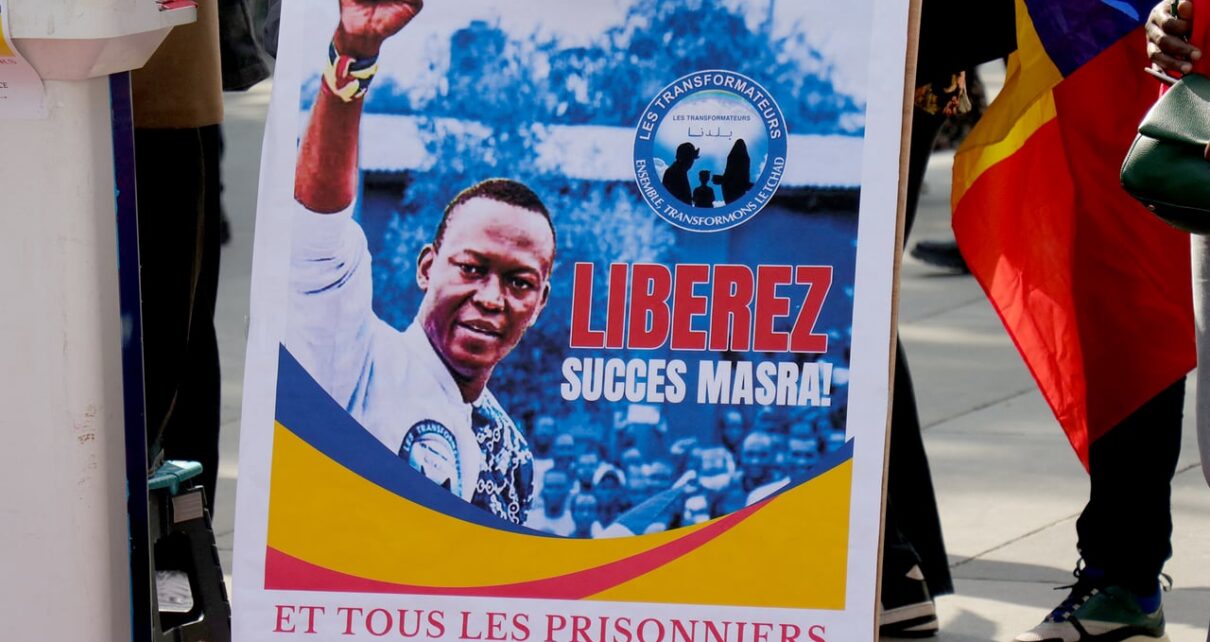
The past twelve months have seen a dramatic shift in the political landscape of Chad. Succès Masra, a prominent opposition figure, has spent a year behind bars, yet his name resonates more than ever across the nation. His detention sparked widespread protests, both within Chad and among the diaspora abroad, particularly in Paris, where thousands took to the streets demanding his release.
Behind the scenes, however, something far more significant was unfolding. High-level negotiations, shrouded in secrecy, were taking place between Masra’s legal team and the transitional authorities led by General Mahamat Idriss Déby Itno. These talks, conducted in absolute discretion, laid the groundwork for a potential resolution to a crisis that has gripped the country for over a year.
Key moments in a year-long standoff
Masra’s arrest in August 2024 marked a turning point in Chad’s post-coup transition. His detention was followed by a wave of unrest, with opposition groups accusing the transitional council of suppressing dissent. International observers voiced concerns over human rights violations, while regional blocs called for restraint.
Yet, even as tensions flared, the groundwork for dialogue was being quietly laid. Diplomatic channels, shielded from public scrutiny, became the arena where the most critical decisions were made. The involvement of mediators from neighboring countries played a pivotal role in brokering initial talks, which eventually paved the way for direct negotiations between Masra and Déby Itno’s administration.
Public pressure vs. secret negotiations
The dichotomy between public outrage and covert diplomacy defined much of the year. While the streets of N’Djamena and beyond echoed with calls for Masra’s freedom, his representatives were engaged in marathon sessions with government officials. These closed-door meetings focused on a range of issues, from the conditions of his detention to broader political reforms.
Observers note that the government’s willingness to enter into negotiations signaled a shift in strategy. After months of harsh crackdowns on dissent, authorities appeared to recognize the need for compromise. Meanwhile, Masra’s team pushed for guarantees on his safety, the lifting of restrictions on opposition activities, and a commitment to inclusive governance.
What’s next for Chad’s political future?
The outcome of these secret talks remains uncertain, but their very existence has raised hopes for a peaceful resolution. If successful, they could mark the beginning of a new chapter in Chad’s turbulent political history. However, the road ahead is fraught with challenges, including deep-seated mistrust between opposing factions and lingering grievances over past abuses.
For now, the nation watches and waits. The fate of Succès Masra and the direction of Chad’s transition hang in the balance, hinging on the delicate balance between public demands and the quiet machinations of diplomacy.