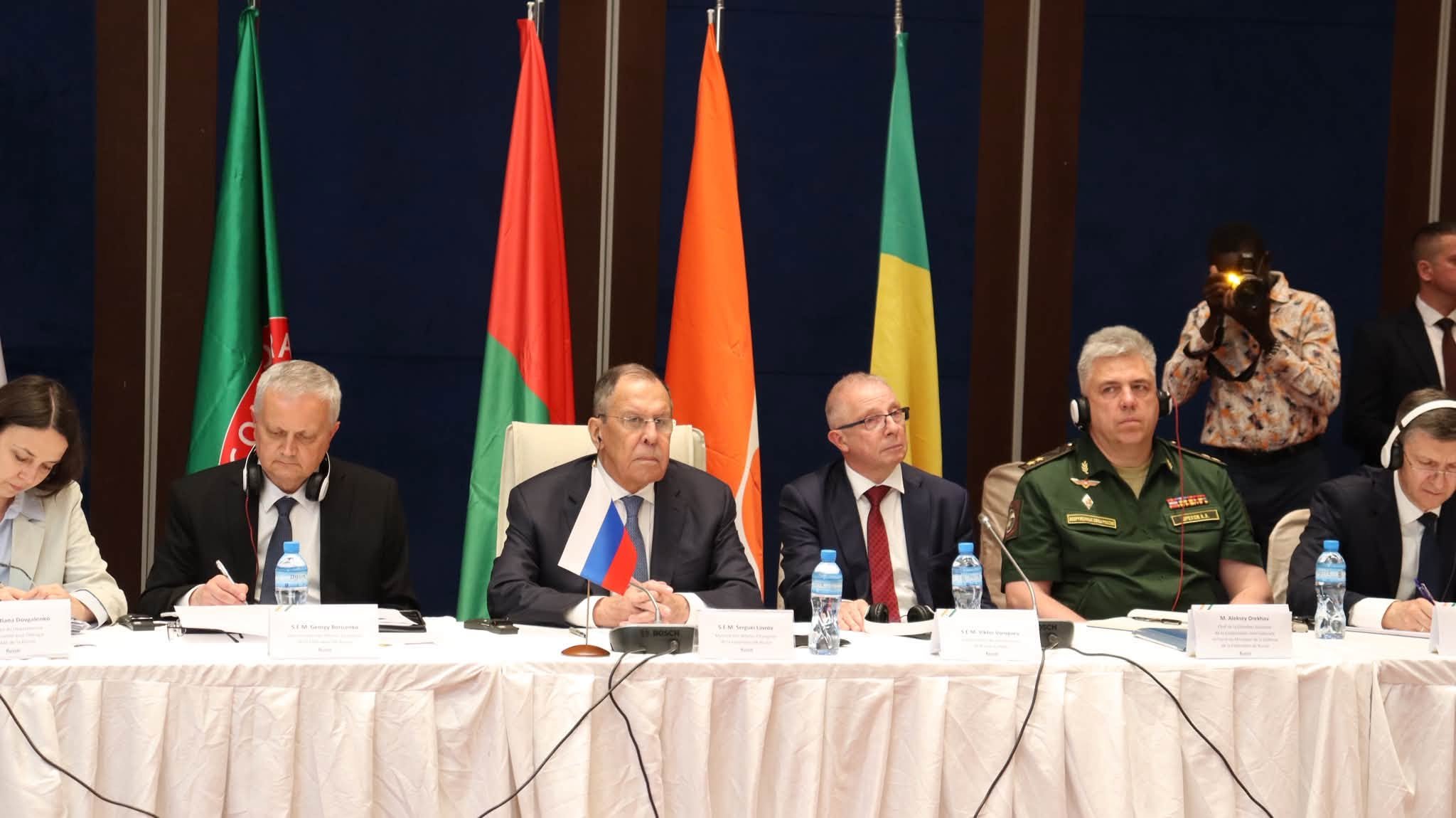
The Kremlin has reaffirmed its commitment to providing military support to Mali, Burkina Faso, and Niger through the Alliance of Sahel States (AES). For the region’s ruling juntas, this partnership is framed as a bold assertion of sovereignty and a definitive break from former Western allies. Yet beneath the rhetoric of regained independence lies a grim and escalating reality: civilian casualties are mounting, and security threats continue to spiral out of control.
Broken promises of swift security gains
The central justification for severing ties with Western partners was the promise of faster, more effective results against armed groups. However, years into this strategic pivot, the evidence is damning. Despite an influx of Russian weaponry, drones, and military advisors, terrorist attacks persist unabated. Military outposts remain under siege, rural communities face relentless threats, and displacement figures have surged into the hundreds of thousands.
Data from conflict monitoring initiatives indicates that in 2025 alone, over 10,000 people lost their lives in political violence across Burkina Faso, Mali, and Niger. The Sahel remains one of the world’s most volatile conflict zones, with no sign of meaningful improvement.
Humanitarian fallout deepens with each passing month
The security crisis has triggered a full-blown humanitarian emergency. According to international aid agencies, more than five million people have been forcibly displaced across the Sahel, their lives uprooted by relentless violence. Entire generations are being denied education as schools shutter in high-risk areas, while access to medical care grows increasingly scarce for those in need.
Every fresh assault leaves behind shattered families, abandoned villages, and paralyzed local economies. The cumulative toll is not just measured in figures—it is etched into the daily struggles of millions who have fled their homes, many now living in overcrowded camps with limited resources.
the staggering financial burden of perpetual conflict
The protracted war has imposed a crushing financial strain on Sahelian governments. Military budgets swell as new arms deals are inked and security expenditures consume a growing share of public funds. Meanwhile, critical sectors such as healthcare, education, agriculture, and infrastructure languish underfunded, starved of the investments needed to address the root causes of instability.
With each passing year, governments face an impossible choice: sustain military operations or redirect resources toward long-term development. The longer the conflict drags on, the more urgent this dilemma becomes—and the harder it is to justify.
a growing dependence on Moscow’s support
Far from achieving the proclaimed autonomy, the AES’s exclusive partnership with Russia has deepened strategic reliance on Moscow. As attacks intensify, so too does the demand for additional military aid, equipment, and advisory support. Each crisis reinforces the perception that Russian assistance is indispensable, undermining the very notion of regained sovereignty.
This cycle raises a critical question: Can a strategy built on escalating external dependence truly be hailed as a path to self-reliance?
Russia’s expanding footprint in the Sahel
While the promised security dividends remain elusive, Russia’s influence in the Sahel has flourished. Every new military agreement strengthens Moscow’s diplomatic leverage across Africa. Arms deliveries and training missions cement its strategic presence, particularly in regions rich in gold and uranium. Beyond the battlefield, Russian engagement extends into political, economic, and media spheres, embedding Moscow as a key player in the Sahel’s future.
a pyrrhic victory for the juntas?
For the military regimes, the alliance with Russia was meant to deliver rapid stability. Yet years later, the human cost tells a different story. Despite expanded military cooperation, civilian casualties continue to rise, attacks remain frequent, and communities live under perpetual threat.
This is not to suggest that Russia alone bears responsibility for the Sahel’s security collapse. The conflict is rooted in decades of political instability, economic neglect, and deep-seated communal tensions. But if this partnership was truly the decisive solution it was marketed to be, why do civilians still face such devastating consequences?
The paradox is stark: as the violence intensifies, so does Moscow’s indispensability to the region’s rulers. The longer the crisis persists, the more entrenched Russia’s role becomes—even as its tangible benefits for public safety remain conspicuously absent. The true losers, as always, are the civilians of the Sahel, who pay with their lives, their homes, and their futures.