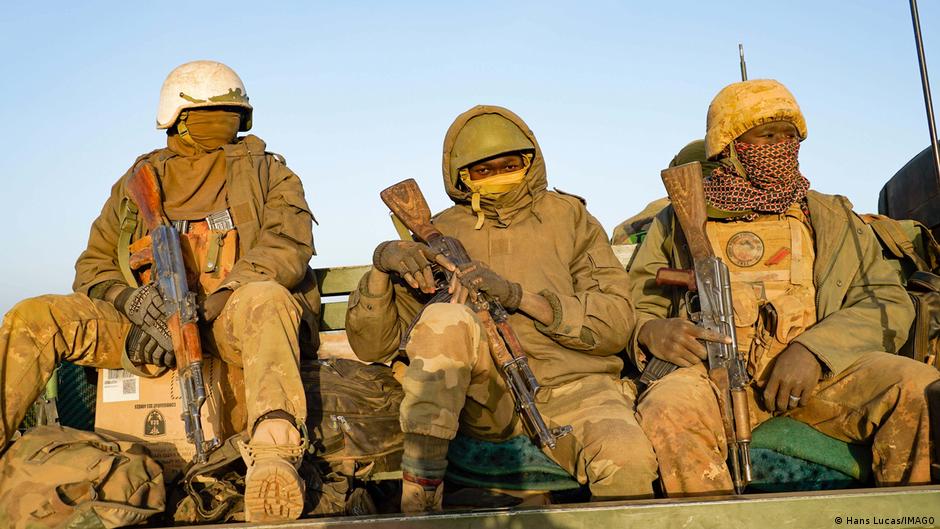
Russian mercenaries in Mali: why their losses remain low
The disparity in casualties between Malian troops and Russian paramilitaries during recent jihadist offensives has drawn attention from military analysts. In most documented attacks, Malian forces bear the brunt of losses, while the Russian contingent—part of Africa Corps—records significantly fewer fatalities. But what explains this imbalance?
During one particularly intense engagement near Ménaka earlier this year, Malian military sources reported dozens of soldiers killed, whereas Russian losses were minimal. This pattern has raised questions about the roles and strategies of both forces.
Behind the numbers: the strength gap
One key factor is the sheer difference in numbers. Estimates suggest that between 1,500 and 2,000 Russian mercenaries are currently deployed in Mali, compared to over 13,000 active Malian soldiers. The larger a force is, the harder it is to protect every position.
Moreover, the Russian paramilitaries are not meant to replace Malian troops. Their role is to support, not lead. As explained by security analyst Mamadou Mouth Bane, a specialist on Sahel insurgencies:
“The explanation is straightforward: Mali’s national army is on the front lines. They occupy the most vulnerable positions and bear the highest risk. The Russian operatives, in contrast, operate from a back-office role—managing drone surveillance, analyzing intelligence, and coordinating strikes rather than engaging directly in combat. That’s why most casualties and kidnappings involve Malian soldiers.”