Thousands of displaced dogon families return home in central Mali
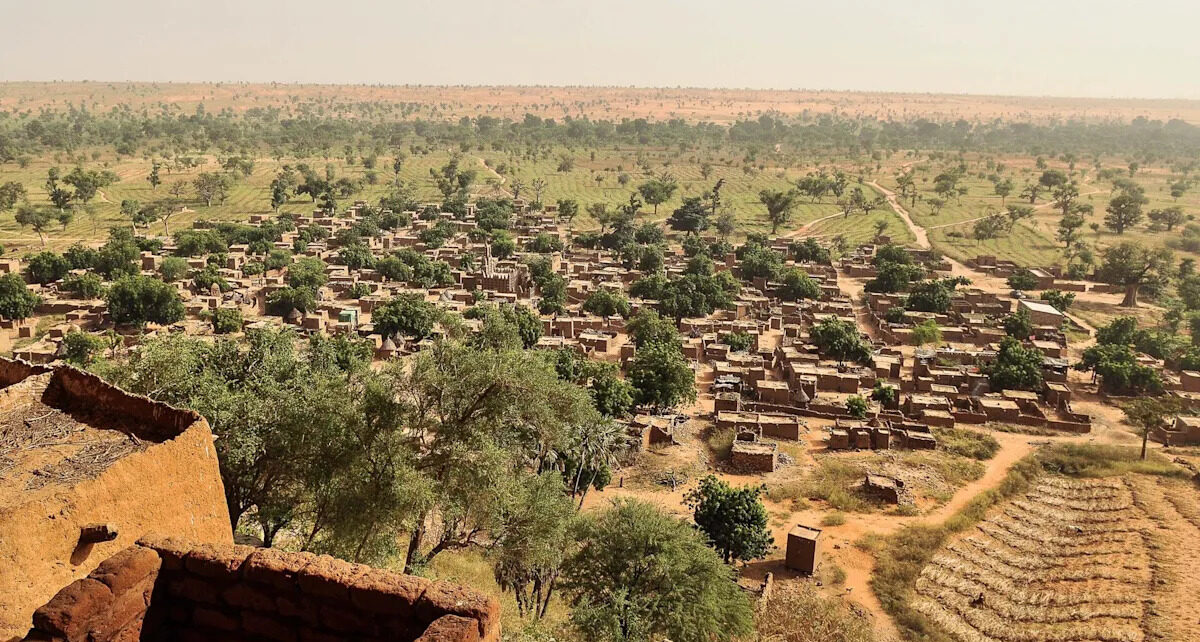
In a significant development for central Mali, thousands of displaced Dogon residents are now making their way back to their home communities within the Bankass circle. This long-awaited return has been facilitated by a series of local agreements brokered between the various village communities and the Group for the Support of Islam and Muslims (Jnim), an organization with ties to Al Qaeda.
While villagers can finally reclaim their homes and agricultural lands, their return is contingent upon strict conditions imposed by the jihadist groups. These mandates include the compulsory wearing of the veil for all women and a complete ban on Western-style education in local schools.
Mandatory veiling and school closures imposed
The conditions extend to strict dress codes and prescribed prayer rituals. Men are now required to wear short trousers, and all state-run schools have been shut down, effectively prohibiting any form of Western teaching. For women, the obligatory wearing of the veil is a non-negotiable term of these new agreements.
In exchange for adherence to these rules, the predominantly Fulani and Dogon villagers are permitted to resume their vital farming and pastoral activities. This timing is particularly crucial as Mali enters its rainy season, which began in June, allowing residents to cultivate their fields once more.
“We returned without our wives”
An educator from Bare Darsalam village, located in the Bankass circle, who wishes to remain anonymous, has returned to his community after a seven-year absence caused by the ongoing conflict.
He made the journey back without his wife and children. Reflecting on the state of public education and the imposed dress codes by Jnim, he shared his perspective:
« Our school was completely destroyed by armed terrorist groups when the village was displaced in 2019. They demolished everything. Even if we were asked to rebuild the school immediately, we wouldn’t agree. We have resumed our activities following the assurances provided by the Mayor of Bankass. We haven’t yet started wearing short pants. Furthermore, we haven’t returned with our wives, as we need to understand the implications regarding the Islamic veil or similar requirements. »
Agricultural activities resume
According to Allaye Guindo, the Mayor of Bankass urban commune, the formal signing of these agreements between village communities and the armed groups has spurred a significant influx of displaced individuals returning home.
« Thanks to the signed agreements, people are returning to all previously abandoned areas. The 13 villages welcoming their residents include two from Kani Bozon, one from the rural commune of Dimbal, with all others belonging to the Bankass commune. It is currently raining, and many returnees have begun cultivating their fields in complete safety. Everyone is satisfied. »
The terms of these local agreements clearly stipulate that customary authorities and community leaders must align with the regulations set forth by the armed terrorist groups. The enforcement of Islamic law, or Sharia, forms the foundational pillar of their collaboration with the villagers.