President Paul Biya reshuffles Cameroon’s military leadership remotely
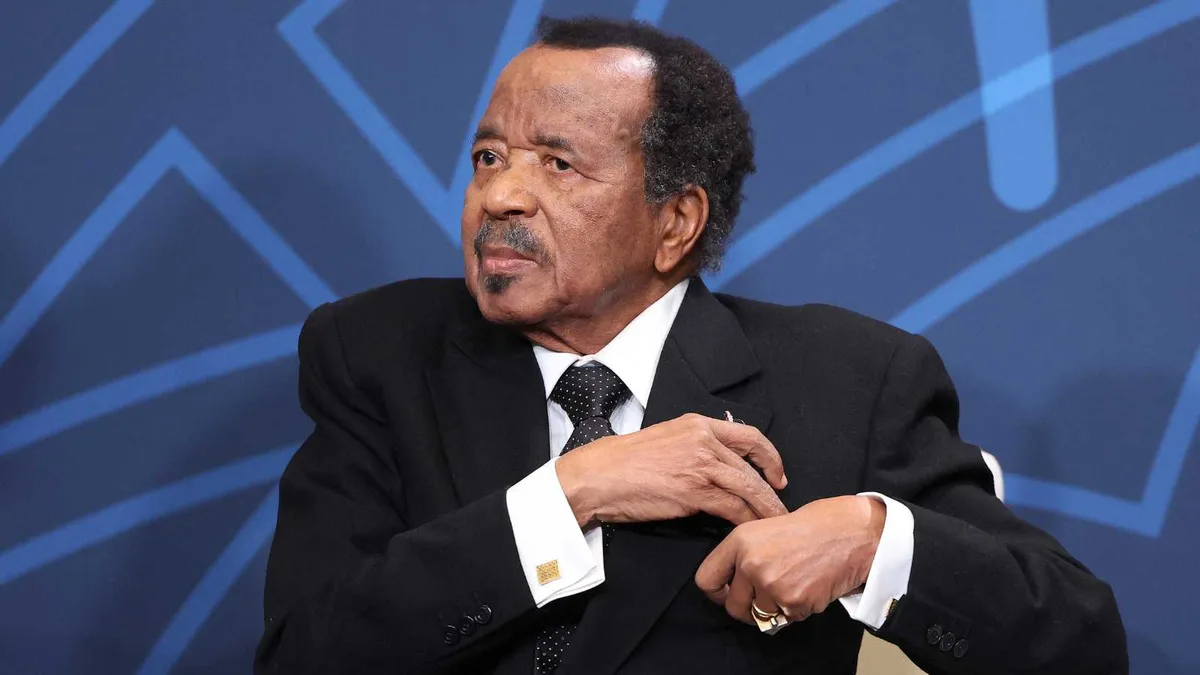
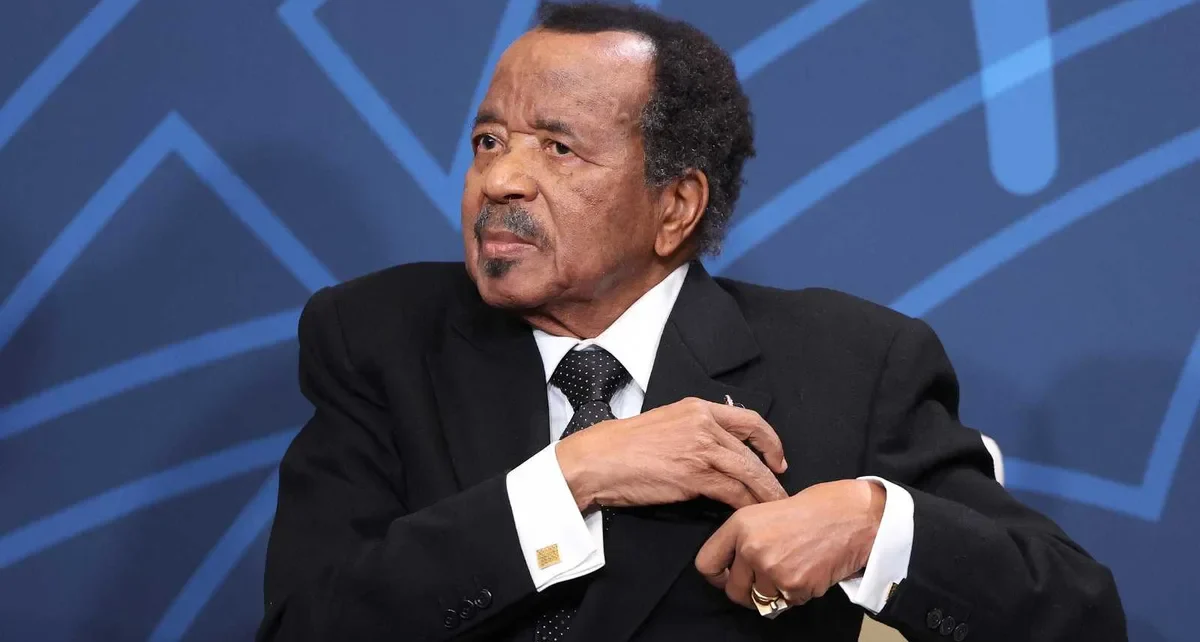
For nearly two months, Cameroonian President Paul Biya has remained outside the country, yet his absence hasn’t halted critical administrative decisions. Official decrees bearing his signature have been released, formalizing a sweeping overhaul within the national armed forces. The changes introduce five new brigadier generals, a fresh Major General of the Armed Forces General Staff, and the rotation of multiple territorial and strategic unit commanders—including the Presidential Guard.
New leadership in the Presidential Guard
Raymond Jean Charles Beko’o Abondo has been elevated to brigadier general while retaining his long-held position as head of the Presidential Guard, a role he has fulfilled for over a decade. Security analysts note this marks the first instance since the elite unit’s establishment in 1985 that its commander holds this rank, a move widely seen as an endorsement of unwavering presidential confidence.
Restructuring the armed forces’ command chain
General Ebaka Hippolyte assumes the role of Major General of the Armed Forces General Staff, succeeding his predecessor who has transitioned to reserve status. Six new territorial commanders are also stepping into roles across four of Cameroon’s five inter-service military regions, with deployments concentrated in areas facing the most pressing security challenges—from the Far North, where Boko Haram threats persist, to the anglophone regions of the Southwest.
Political implications of the military reshuffle
Beyond their operational significance, these appointments carry political weight. They underscore President Biya’s firm grip on power, even during prolonged absences, and reinforce the chain of command. Critics, including opposition leader Maurice Kamto of the MRC party, argue the move falls short of addressing concerns about governance transparency or fulfilling the president’s long-awaited promise to form a new government, first announced in December 2025.