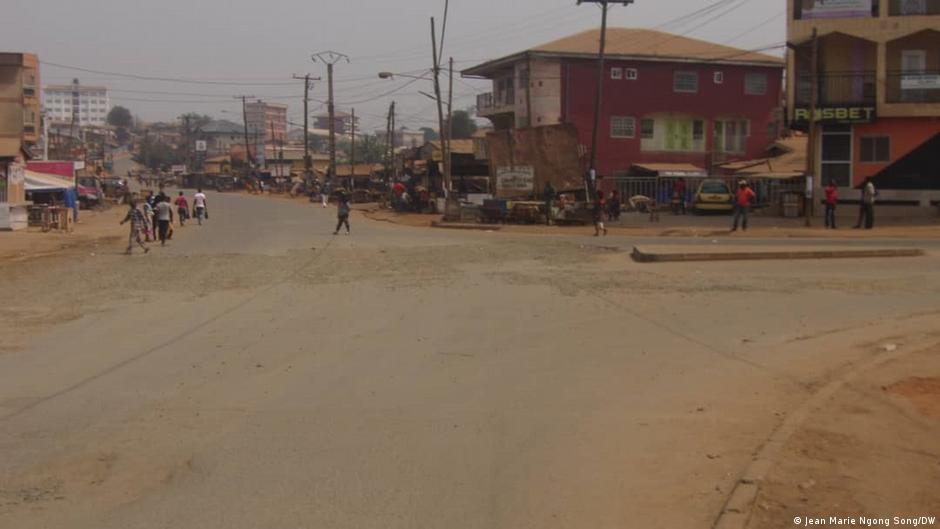
Cameroon’s national road 5, a crucial economic artery linking the bustling port city of Douala to Bafoussam and Bamenda in the Northwest Anglophone region, has become a death trap. Years of neglect, relentless heavy traffic, and increasingly erratic rainfall have turned this vital corridor into one of the country’s most dangerous routes.
The highway’s rapid deterioration is no accident. The constant flow of cargo trucks and intercity buses has taken its toll, while years of underinvestment in maintenance have left the road structurally unsound. Climate change has only made matters worse, with heavier and more frequent downpours washing away asphalt, carving out massive potholes, and triggering dangerous landslides along the rugged terrain of the West Region.
Journey through chaos
Travelers boarding a bus from Douala to Bafoussam today are signing up for a grueling ordeal. What used to be a three-and-a-half-hour trip now stretches into ten exhausting hours. Torrential rains flood sections of the roadway, stripping away pavement and leaving gaping craters in its place. Drivers are forced to take circuitous detours through secondary routes, adding time, distance, and frustration to an already punishing journey.
For Alice, a passenger making the trip for the first time in months, the experience was nothing short of harrowing. “We left Bafoussam 14 hours ago, but we’re still not in Douala. The main road through Haut-Nkam is completely impassable. Instead of taking the direct route, we had to drive all the way to Yaoundé, then cut through Bagangté just to get back on track toward Douala. Everyone is exhausted, aching, and just relieved to be alive.”
Highway of tragedy
The dangers of this route have earned it a grim nickname: the “Triangle of Death.” Just last year, a devastating landslide near Dschang swallowed buses and cars whole, claiming 14 lives and shocking the nation. Official estimates suggest nearly 100 fatalities occur monthly along this corridor alone.
For many travelers, reaching Bafoussam or Douala feels like escaping a brutal trial. One anonymous commuter shared his frustration: “I arrived in Bafoussam at 2 a.m. after what felt like an eternity. I’d rather pay double the fare and take the long way around—via National Road 3 to Yaoundé, then National Road 6—than risk another ten hours on this death trap.”
Broken promises and mounting anger
The government has announced plans to rehabilitate the highway at an estimated cost of 180 billion Central African francs. Yet frustration is boiling over among drivers and passengers who continue to pay tolls for a road that is barely recognizable. Mika Séma, a local transporter, voices the collective outrage: “We pay tolls to maintain the road, not to drive on a dirt track. The government must act now—before more lives are lost.”
With each rainy season growing more violent, the future of this critical trade link hangs in the balance. Without urgent, large-scale intervention, the Douala-Bafoussam highway will remain a deadly gamble for all who depend on it.