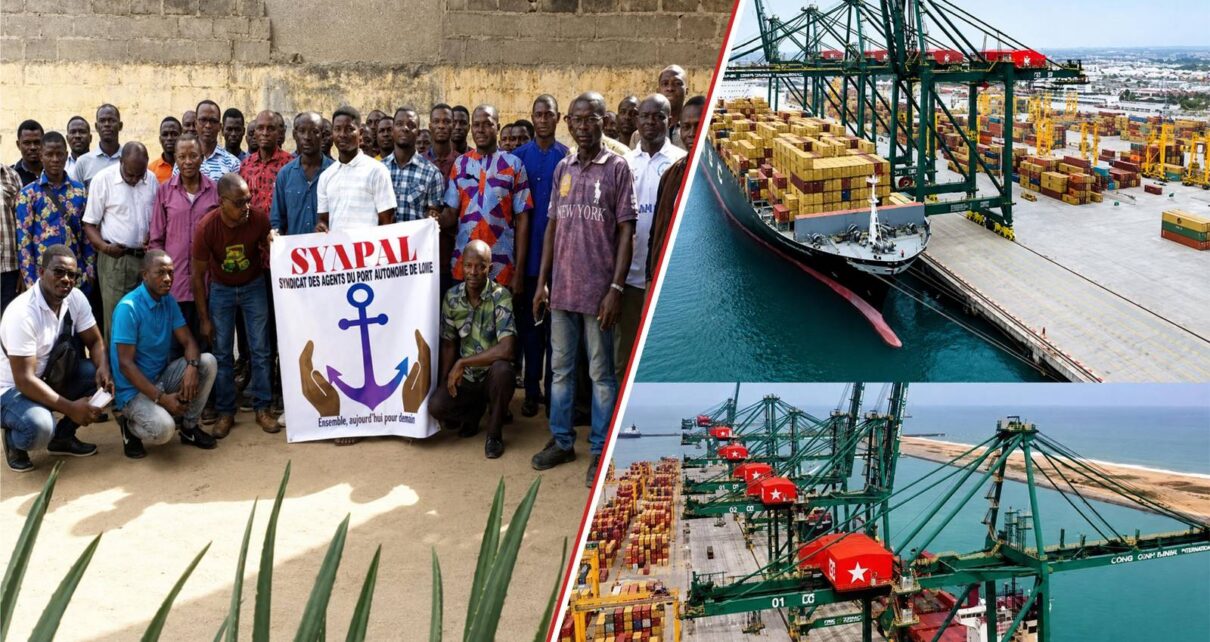
The economic heartbeat of Togo is facing a critical juncture. The Port Autonome de Lomé (PAL) workforce has issued a formal three-day strike notice, scheduled from June 25 to 27, 2026, in protest against unresolved social grievances that threaten to paralyze the regional trade ecosystem.
An escalating labor dispute with far-reaching repercussions
The industrial action stems from stalled negotiations between union representatives and port management. Workers highlight the persistent lack of progress on key demands, including enhanced working conditions, salary adjustments, and improved social benefits. Without a resolution by the strike deadline, a complete work stoppage will take effect.
The consequences of such a disruption would be severe. As the only deep-water port in the subregion capable of accommodating third-generation vessels, the Port Autonome de Lomé plays a pivotal role in facilitating maritime trade for landlocked nations in the Sahel.
A linchpin for Sahelian logistics
The port serves as the primary gateway for goods destined for several Sahel countries, including Burkina Faso, Mali, and Niger. A 72-hour halt in operations would trigger severe bottlenecks at terminals, cascading delivery delays, and exorbitant demurrage costs for businesses relying on timely cargo clearance.
Last-ditch efforts to avert economic fallout
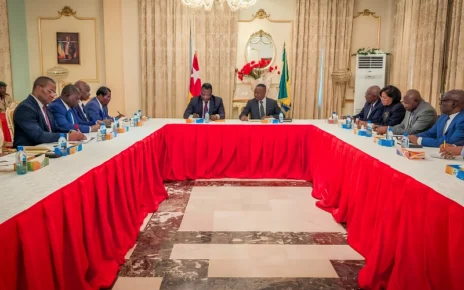
With the clock ticking, port authorities and government officials are under mounting pressure to broker a solution. The Togolese administration has prioritized the modernization and competitiveness of its logistical hub as a cornerstone of its national development strategy, making a prolonged labor dispute a particularly unwelcome scenario.
For now, business stakeholders and customs clearing agents remain on tenterhooks, awaiting the initiation of emergency mediation talks to avert a crisis with potentially devastating regional economic implications.