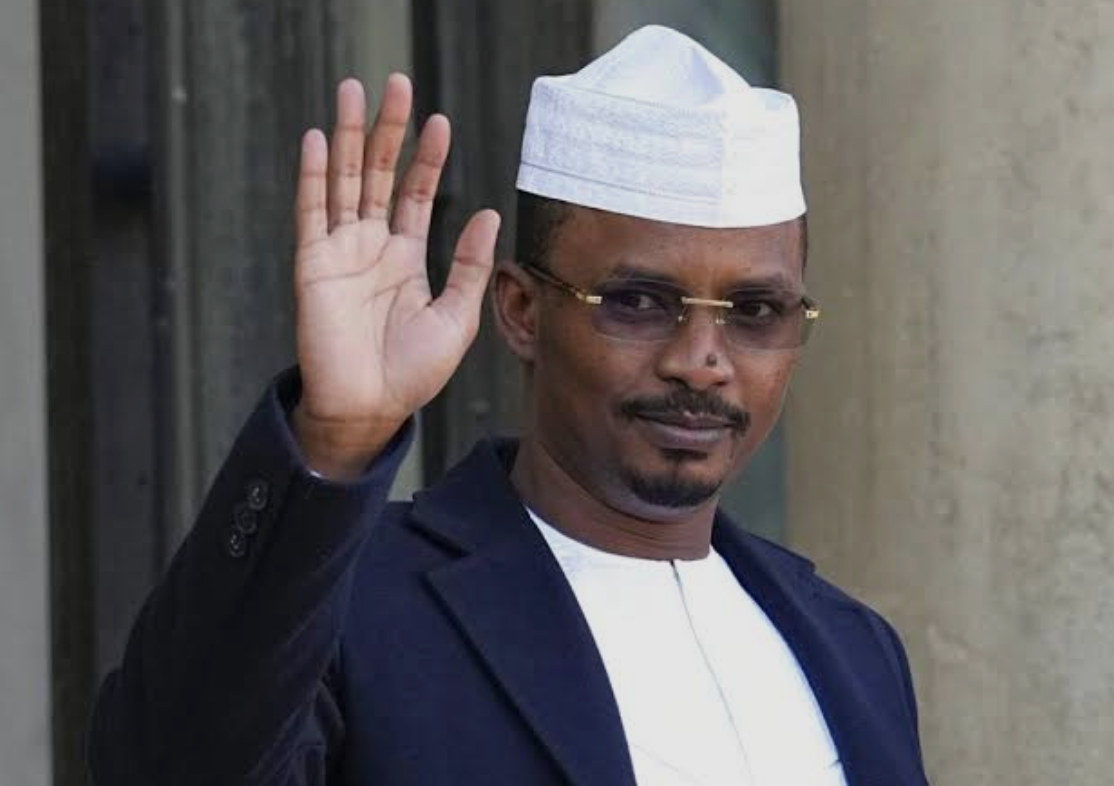
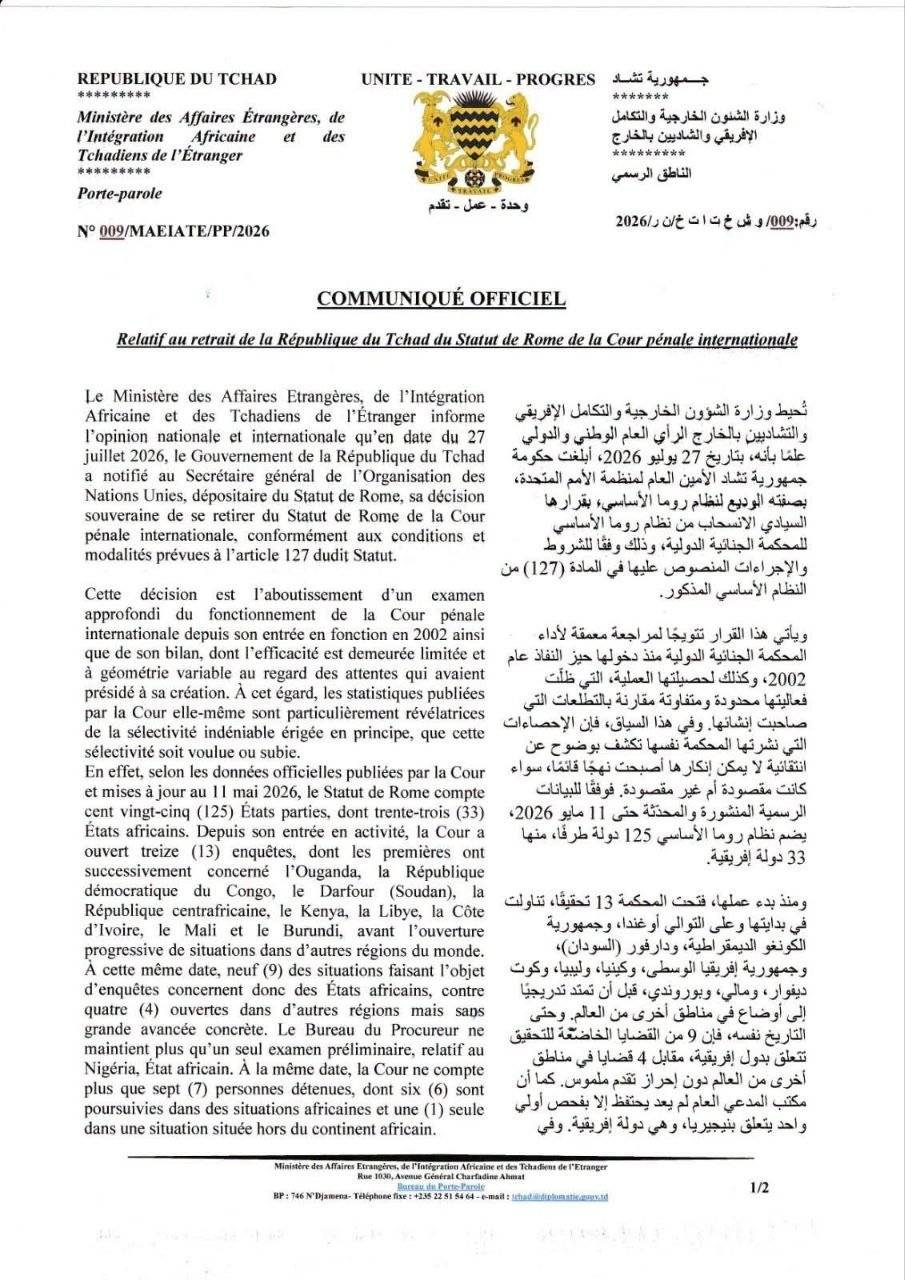
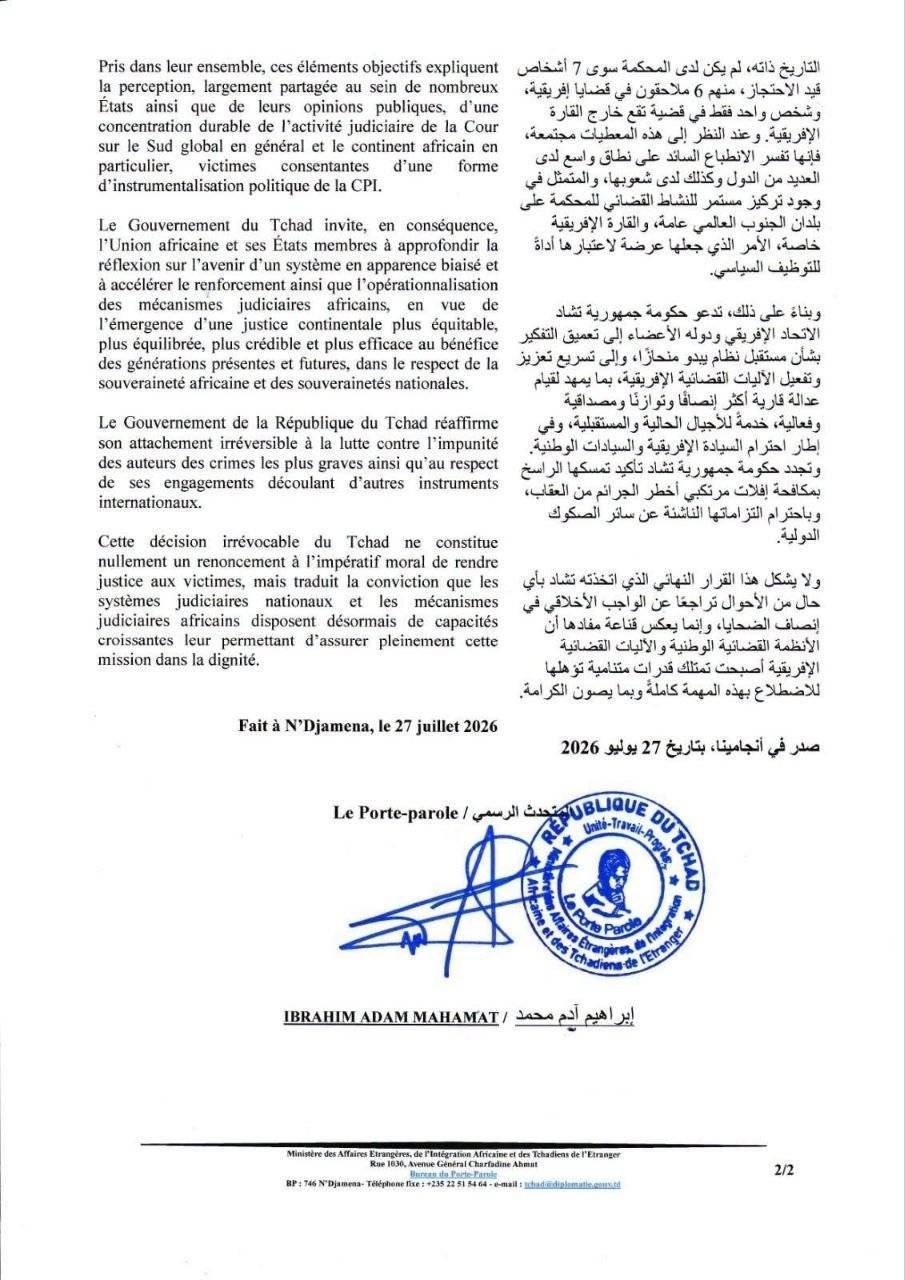
The Chad government has formally notified the United Nations of its decision to withdraw from the International Criminal Court (ICC), sending shockwaves through global diplomacy. Announced on July 27, this move reflects mounting frustration among African nations over what N’Djamena calls the court’s ‘political instrumentalization’ and alleged bias against the continent.
Breaking diplomatic ties with The Hague
The withdrawal process began with an official letter sent to UN headquarters in New York, triggering the formal exit from the Rome Statute—the treaty that established the ICC. Chad‘s leadership has been vocal in its criticism, arguing that the court suffers from ‘geographic imbalance’ in its prosecutions, disproportionately targeting leaders from the Global South while overlooking similar crimes elsewhere. This stance aligns with growing sentiment across Africa, where several nations have accused the ICC of serving Western geopolitical interests rather than delivering universal justice.
What this means for Chadian citizens
The decision carries profound implications for Chad‘s population, particularly victims of war crimes, crimes against humanity, and genocide. As a court of last resort, the ICC steps in when national judiciaries fail to act. By leaving the Rome Statute, Chad removes this safeguard, leaving its people without an independent international avenue for justice.
Gambling on domestic justice
The government insists Chad‘s courts are equipped to handle such cases, but civil society groups warn of heightened risks. Without ICC oversight, the burden falls entirely on national institutions already plagued by concerns over political interference and limited resources. Human rights advocates fear a surge in impunity, especially for abuses committed by state actors or armed groups.
A fragile transition period
While the withdrawal won’t take full legal effect for a year—per Article 127 of the Rome Statute—the ICC retains jurisdiction over pre-withdrawal crimes. However, cooperation from Chad may dwindle, complicating investigations, evidence collection, and witness protection. For communities scarred by conflict, this transition raises urgent questions: Will local courts deliver fair trials? Can victims safely report abuses when external accountability is no longer an option?
Diplomatic risks and regional fallout
Chad‘s move isn’t just a domestic issue—it echoes across West Africa and the Sahel, where debates over sovereignty and foreign influence dominate political discourse. By distancing itself from the ICC, N’Djamena signals a defiant assertion of judicial independence, but at a cost.
Western partners and development funders often tie aid to human rights compliance, meaning this decision could strain financial support. Investors, too, rely on independent legal recourse as a litmus test for stability. Meanwhile, Africa’s stance remains divided: while some nations share Chad‘s frustrations with the ICC, few have taken such a decisive step.
Can Chad’s courts fill the void?
The government argues that strengthening national institutions will ensure justice for all. Yet this requires sweeping reforms: more funding for courts, guarantees for magistrate independence, and robust protections for witnesses and victims. The coming year will test whether Chad can deliver on these promises—or whether impunity will deepen in the absence of international scrutiny.
For now, the world watches closely. The true measure of this decision won’t be in diplomatic halls or courtrooms, but in the everyday lives of Chad‘s people. Will their courts become pillars of justice, or will the withdrawal leave them more vulnerable than ever?