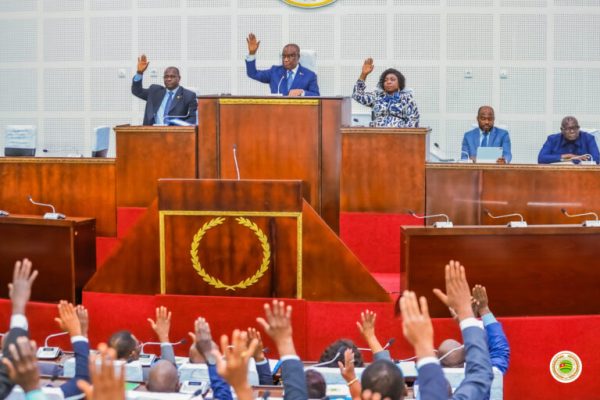
LOMÉ, June 10, 2026 — The National Assembly of Togo took a significant step on Tuesday, June 9, 2026, by approving four pivotal legislative proposals aimed at enhancing nuclear safety and refining the management of radiological hazards. This decision, reached during the third plenary session of the year’s first ordinary sitting, marks a crucial advancement in aligning Togolese legislation with stringent international benchmarks.
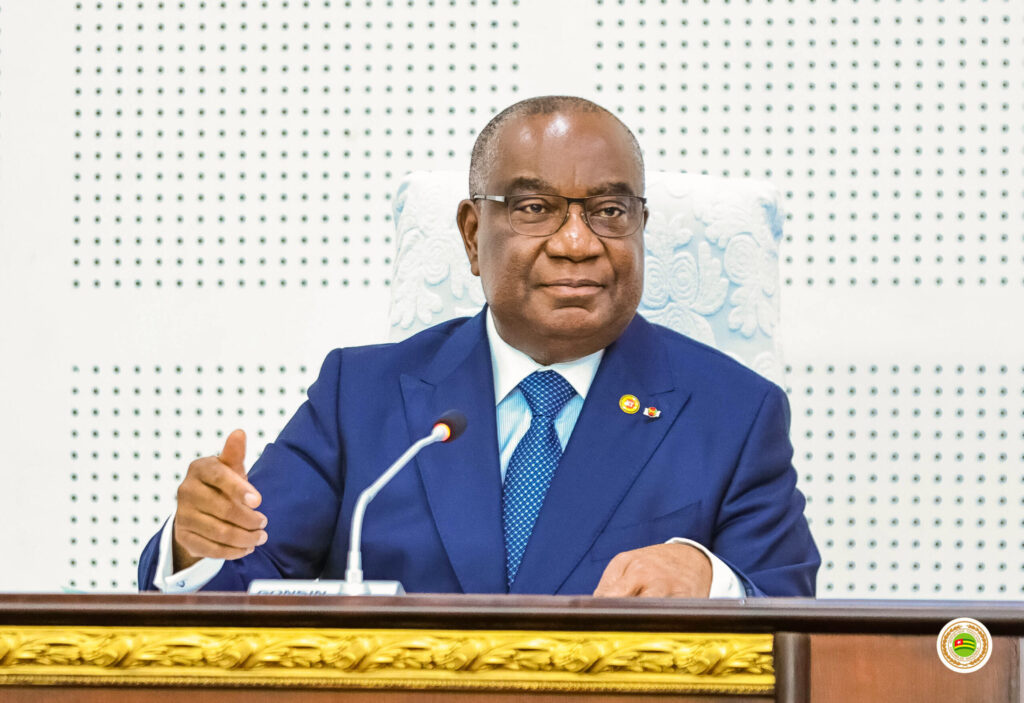
The session, expertly guided by the President of the Assembly, H.E. Professor Komi Selom Klassou, welcomed Robert Koffi Messan Eklo, the Minister Delegate for Energy. Parliamentarians unanimously endorsed, in their initial reading, texts that will facilitate Togo’s accession to four critical international agreements: the Convention on Nuclear Safety (Vienna, 1994), the Joint Convention on the Safety of Spent Fuel Management and on the Safety of Radioactive Waste Management (1997), the Convention on Early Notification of a Nuclear Accident (1986), and the Convention on Assistance in the Case of a Nuclear Accident or Radiological Emergency (1986).
Ultimately, these measures are designed to furnish the State with a robust regulatory defense, capable of overseeing scientific endeavors, mitigating contamination risks, and upholding the strictest safety protocols.

Strengthening multilateral ties through four key conventions
“Nuclear energy represents a future-oriented power source, indispensable across several vital sectors, including electricity generation, healthcare, industrial development, agriculture, and livestock farming,” stated Aklesso Atcholi, President of UNIR. “However, it is absolutely essential to establish and maintain the highest level of safety to safeguard individuals, assets, and the environment.”
Indeed, while radiological technologies unlock significant development prospects—particularly in medical treatments and agricultural optimization—their environmental implications demand constant vigilance. Consequently, by ratifying these conventions, Togo not only enhances its internal capabilities for foresight and response but also secures access to international mechanisms for mutual assistance and real-time information exchange during potential crises.
“These legislative initiatives reflect a consistent approach: we are not merely opting for a future energy source; we are committing to the highest safety standards that accompany it,” affirmed Minister Eklo. “Ratifying these texts sends a powerful message to the global community: Togo is a modern, responsible, and rigorous state.”
Balancing technological advancement with safety imperatives
For the President of the national representation, Professor Komi Selom Klassou, this reform enshrines a doctrine of collective responsibility in confronting cross-border crises.
“Having learned from the tragic history of Chernobyl, Togo is convinced that when faced with risks of such magnitude, no single state can act in isolation,” he asserted, positioning these legislative texts within a broader vision of population protection and peaceful diplomacy.
In accordance with the operational framework of Togo’s parliamentary system, these four legislative texts will be forwarded to the Senate in the coming days for review under the same terms. Once this stage is completed and the laws are promulgated, Togo will finalize its institutional transformation, inextricably linking its technological future to the imperative of public safety.