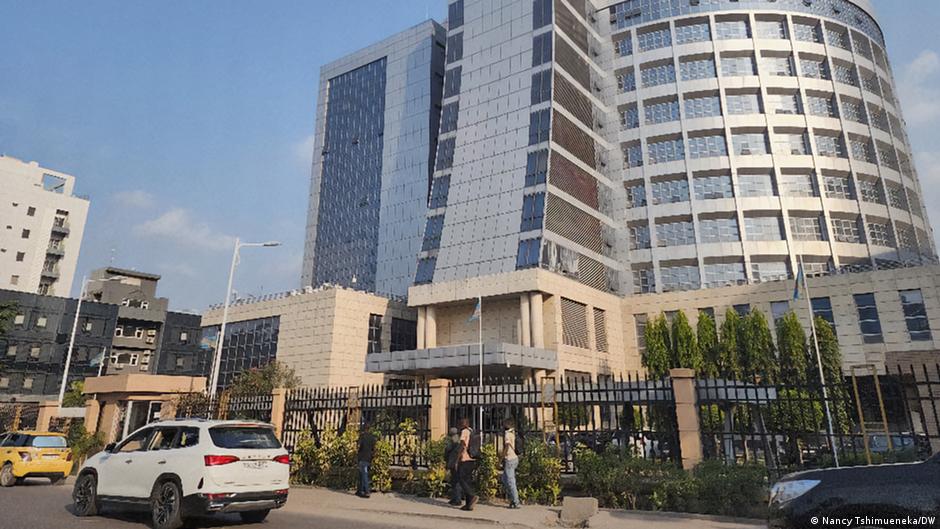
Kinshasa awoke to an eerie calm on Wednesday afternoon as the city cautiously resumed normal activities following a nationwide shutdown declared by opposition parties. The so-called “dead city day”—organized by the Article 64 Coalition—aimed to pressure President Félix Tshisekedi into abandoning his constitutional reform push. Yet the government remained unyielding, insisting the controversial changes would move forward.
While opposition leaders hailed the protest as a historic show of public defiance, the ruling camp dismissed its impact, setting the stage for an escalating political confrontation in the Democratic Republic of the Congo.
Empty streets and heavy security
Residential areas across Kinshasa bore the brunt of the shutdown, with residents opting to stay indoors out of fear of unrest or heavy-handed security responses. Schools shuttered their doors, public transport ground to a halt, and commercial activity ground to a near standstill. Military and police presence intensified, ensuring compliance with the unofficial lockdown.
“I don’t see any students or traffic. Even the schools are closed. We don’t want the Constitution changed. If we didn’t resist, we’d have to go to work. The people are against it,” shared a resident from a quiet neighborhood in eastern Kinshasa.
Another local echoed the sentiment, describing a tense atmosphere dominated by security forces: “It’s uncomfortable here. Soldiers and police are everywhere, dispersing people. You can’t move freely—no cars, no motorcycles. Everything is shut down. It’s a bad situation.”
Opposition claims sweeping public support
Opposition figures declared the shutdown a resounding success, asserting that nearly all Kinois had heeded their call to stay home. Prince Epenge, spokesperson for the Lamuka Coalition, framed the protest as a definitive rejection of the president’s agenda.
“Kinshasa’s population responded at a rate of 99.9% to the opposition’s call. By staying home, citizens not only obeyed our directive but also rejected President Tshisekedi’s authoritarian attempts to alter the Constitution for personal gain. The message is clear: the people have spoken,” he asserted.
The coalition vowed to escalate pressure, hinting at larger-scale actions to derail the reform process.
Government digs in heels over constitutional overhaul
The presidential camp pushed back aggressively, with ruling party officials denying the protest’s significance. Christian Lumu Lukusa, Vice President of the UDPS Youth League, claimed the opposition’s efforts had failed to sway public opinion.
“Despite attempts to incite violence and spread fear, the people did not follow the opposition’s lead. Kinshasa is fully operational,” he stated, adding that the reform would proceed as planned.
Lukusa emphasized the necessity of the changes, framing them as essential for modernizing state institutions. “The constitutional reform will move forward because it serves a national need and aligns with our commitment to institutional progress,” he insisted.
Referendum looms as next battleground
The proposed reforms are expected to face a national vote, following the National Assembly’s adoption of a referendum bill on May 27. The opposition, however, has condemned the move as unconstitutional, setting the stage for further clashes.
The deepening rift between government and opposition suggests more confrontations lie ahead as both sides dig in for a prolonged struggle over the country’s political future.