Chad unites stakeholders to safeguard groundwater resources
A national workshop in N’Djamena brings together key players to draft an action plan for sustainable groundwater management, addressing water security and long-term development challenges.
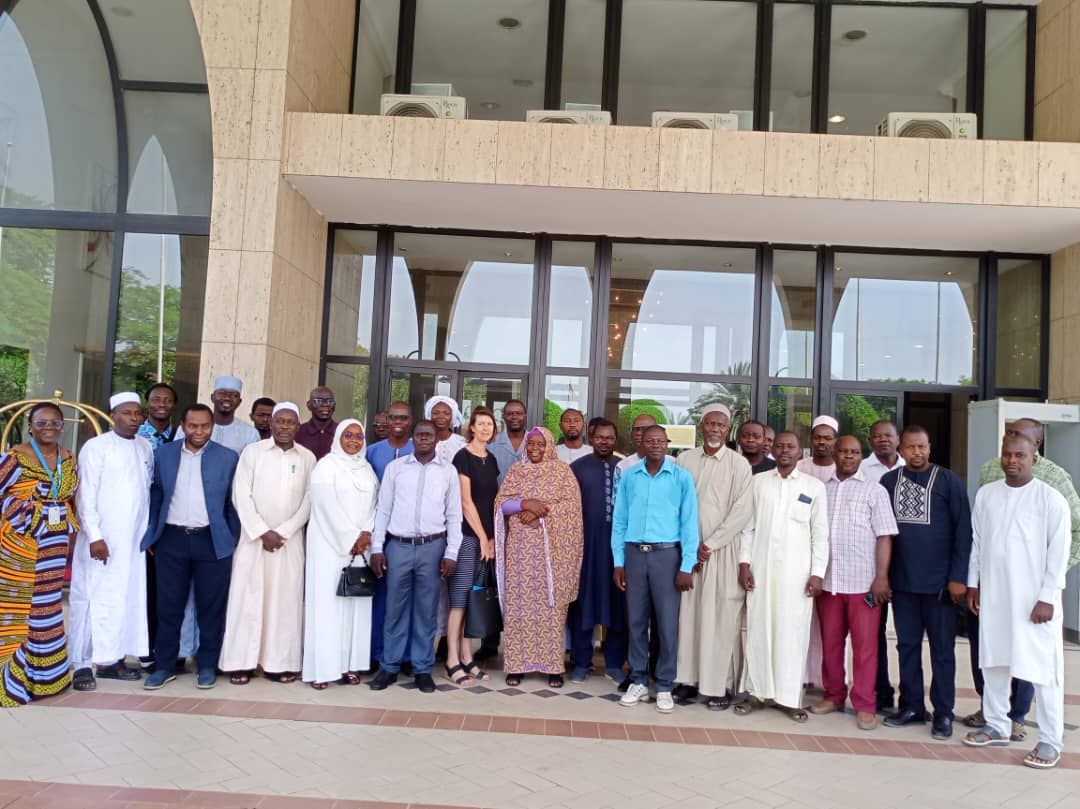
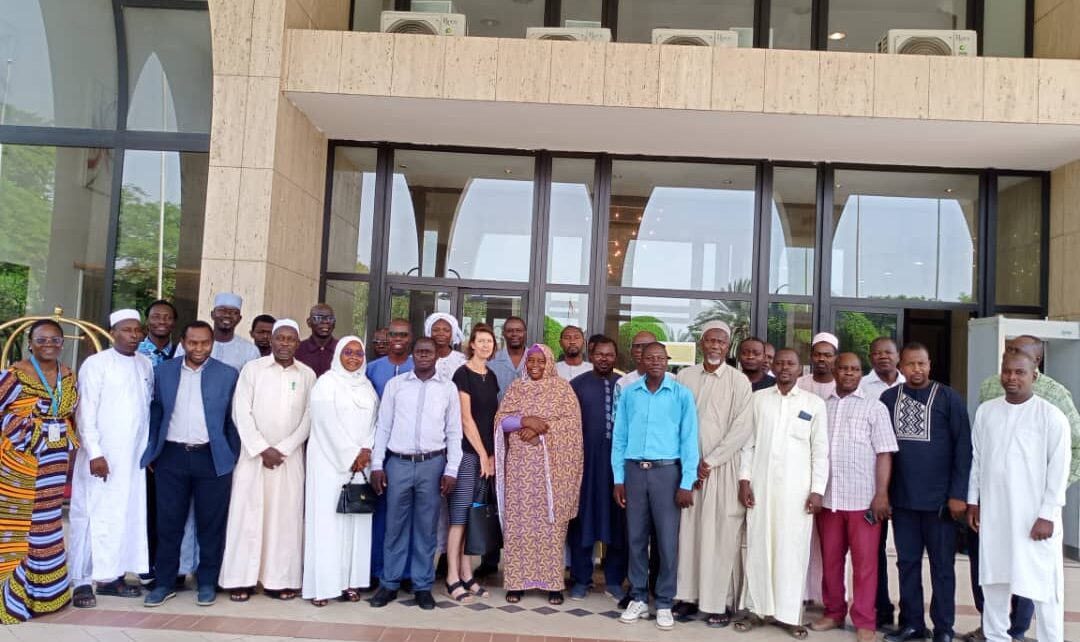
A three-day national workshop on groundwater governance kicked off in N’Djamena, bringing together nearly fifty participants from public institutions, technical and financial partners, civil society, and user groups. The June 16 gathering aims to create a consensus-driven, multi-stakeholder action plan to enhance groundwater management amid growing concerns over both quantity and quality.
Groundwater is a lifeline for Chad’s water security, supporting drinking water supply, irrigation, pastoral systems, and urban development—especially in regions facing climate stress and surface water scarcity. This workshop underscores the urgent need for coordinated efforts to secure this vital resource for current and future generations.
Building a collective roadmap for groundwater resilience
At the opening, UNICEF representative Natascha Paddison emphasized the collective responsibility to ensure every child’s right to clean water, sanitation, and hygiene. She highlighted how technical groundwater decisions directly impact human health, education, and dignity, stressing that groundwater must be a safeguard for health and development—not a source of risk or conflict.
Participants are tasked with sharing insights, assessing priorities, and co-creating solutions over three days. Paddison reaffirmed UNICEF’s commitment to supporting Chad and its partners in this effort, acknowledging the United Kingdom’s Foreign, Commonwealth & Development Office for its role in funding the workshop.
From diagnosis to action: charting a sustainable path forward
Fatimé Hassan, Director General of Water Resources, outlined the workshop’s goals: fostering a shared understanding of Chad’s groundwater landscape, pinpointing governance challenges, and defining actionable steps. Outcomes will include a discussion report and a technical brief incorporating findings from the 2026 national groundwater risk assessment.
The workshop’s diverse delegation includes national water authorities, sector ministries, regional bodies, UN agencies, NGOs, private sector representatives, user groups, and academic experts. Their deliberations will yield concrete recommendations for more effective, inclusive, and sustainable groundwater governance in Chad.