UN calls for urgent donor action to bridge humanitarian funding gap in Democratic Republic of Congo
The United Nations has issued a stark warning about the deepening humanitarian crisis in the Democratic Republic of Congo (DRC), where nearly a quarter of the population faces severe food insecurity. With the 2026 Humanitarian Response Plan only 53.3% funded, officials are scrambling to secure the remaining $650 million needed to support 7.3 million vulnerable people.
Critical funding shortfall threatens life-saving operations
James Swan, Special Representative of the UN Secretary-General in the DRC and head of MONUSCO, delivered a sobering assessment to the UN Security Council. “The humanitarian situation remains dire,” Swan stated. “Almost 27 million Congolese—nearly a third of the population—are suffering from acute food insecurity.“
The 2026 Humanitarian Response Plan, launched in January, requires $1.4 billion to address urgent needs in conflict-affected regions. However, with only $746 million pledged, aid organizations are forced to make impossible choices.
Consequences of underfunding
Last year’s funding shortages had devastating effects:
- More than 1,000 nutrition centers closed, denying treatment to 390,000 severely malnourished children
- 1.5 million people lost access to primary healthcare due to closed facilities and medicine shortages
- Food assistance coverage dropped by 73%, pushing millions to the brink of starvation
Ongoing conflict exacerbates crisis
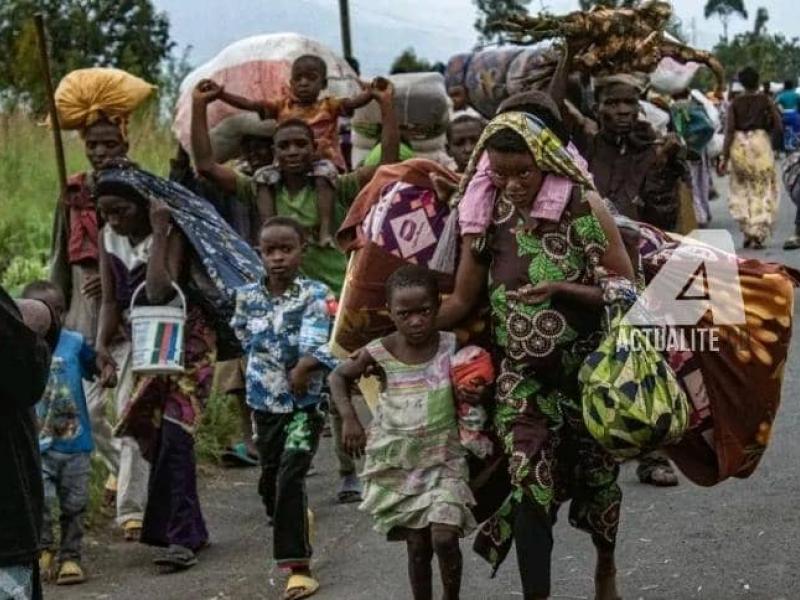
Despite diplomatic efforts to establish a lasting ceasefire in the North Kivu and South Kivu provinces, fighting continues unabated. The deteriorating security situation has displaced hundreds of thousands, straining already limited resources.
“We’re seeing a perfect storm of conflict, climate shocks, and economic instability,” Swan explained. “Without immediate funding, we’ll be forced to scale back operations just when needs are greatest.“
Call for international solidarity
The DRC government and humanitarian partners launched the 2026 appeal to address one of the world’s most neglected crises. Officials emphasize that every dollar counts in preventing a catastrophic deterioration of conditions.
“This isn’t just about numbers on a balance sheet,” Swan concluded. “It’s about saving lives, protecting futures, and giving hope to a nation that has suffered far too much already.“