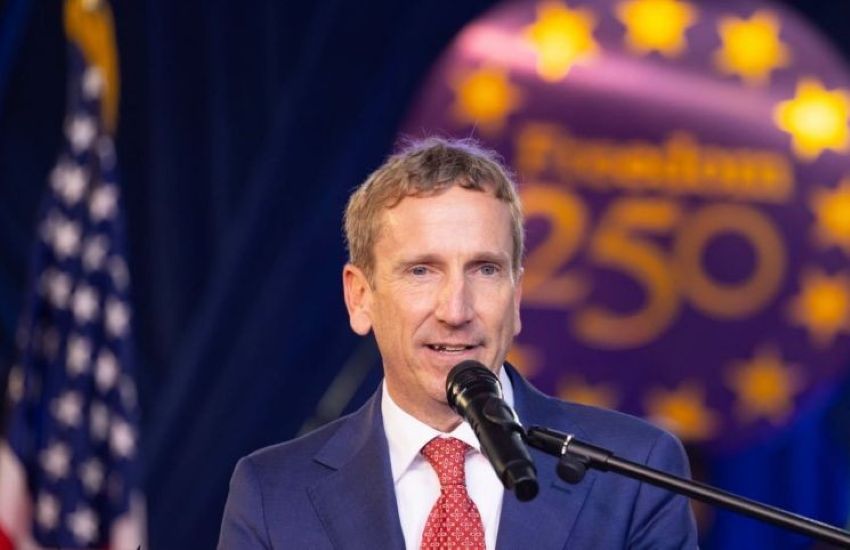
Keith Heffern nominated as US ambassador to Gabon: what this means for Libreville
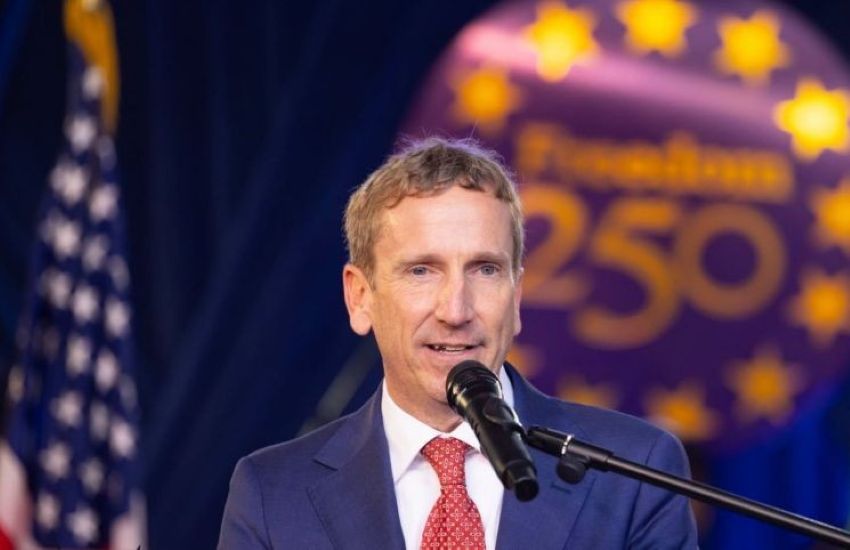
Libreville, August 13, 2026 — The selection of Keith Heffern as the next United States ambassador to Gabon signals a strategic shift in Washington’s African diplomacy under President Donald Trump.
On August 7, 2026, the White House formally submitted Heffern’s nomination to the US Senate for confirmation to the ambassadorial post in Libreville. If approved, this appointment would end a nearly year-long vacancy and restore a full diplomatic presence in Gabon, a country critical to US interests in Central Africa.
Pending Senate confirmation, Heffern remains a nominee rather than an ambassador. Currently, the US mission in Gabon is led by chargé d’affaires Susan N’Garnim, who has served since January 2026. The confirmation process could take weeks or months, but the nomination itself sends a clear message about Washington’s priorities.
Heffern, a career diplomat with the rank of minister-counselor, brings deep experience in African affairs and is reported to have prior knowledge of Gabon’s political and diplomatic landscape. His familiarity with the region could help accelerate discussions on key bilateral issues, including economic cooperation, maritime security in the Gulf of Guinea, and wildlife trafficking prevention.
Washington’s broader diplomatic realignment in Africa
The nomination of Keith Heffern is part of a wider Trump administration push to revitalize US diplomatic representation across the African continent. Similar nominees have been proposed for Chad (William Flens), Madagascar and the Comoros (Marc Dillard), Togo, Mauritania, Benin, Malawi, and Cabo Verde. This trend reflects a deliberate preference for career diplomats over politically appointed envoys, signaling a return to professionalized diplomacy.
For Gabon, this move is especially significant. The US recalled its previous ambassador in late 2025, leaving Libreville without a full ambassador for over eight months. The nomination of a seasoned diplomat like Heffern suggests Washington is serious about restoring and deepening ties with Gabon at a time when both nations are re-evaluating their strategic partnerships.
Why Gabon matters in US strategic calculations
Gabon holds a pivotal position in Central Africa, rich in natural resources such as minerals, timber, and energy. Its location along the Gulf of Guinea and within the Congo Basin makes it a key player in regional security and economic stability. The United States views Gabon not only as a diplomatic partner but as a potential economic ally in a region where competition with China, Russia, and Turkey is intensifying.
In May 2026, the Trump administration reinstated Gabon’s eligibility under the African Growth and Opportunity Act (AGOA), reversing a decision made earlier in the year. This move opened new trade opportunities and underscored Gabon’s growing importance in US-Africa economic policy.
With Libreville actively seeking foreign investment and diversifying its international alliances, the arrival of a confirmed US ambassador could provide the momentum needed to strengthen bilateral trade, security cooperation, and environmental initiatives. For Washington, Gabon represents a gateway to Central Africa—a region where American influence has been challenged by rising non-Western powers.
What comes next: confirmation and action
The Senate Foreign Relations Committee will now review Heffern’s credentials and diplomatic record before a full Senate vote. While the confirmation is not guaranteed, the nomination itself signals Washington’s intent to prioritize Gabon in its Africa strategy.
Should Heffern be confirmed, he will step into a role that extends beyond traditional diplomacy. US-Gabon relations span energy, security, and environmental protection—sectors where both countries have expressed mutual interest. The ambassador’s task will be to translate political goodwill into tangible outcomes: expanded trade, joint security initiatives, and collaborative efforts in biodiversity conservation.
As the Senate deliberates, Libreville watches closely. A confirmed ambassador would mark the end of a prolonged diplomatic absence and the beginning of a renewed partnership—one that Gabon hopes will translate into greater investment, stronger regional influence, and a balanced approach to global alliances.