Africa Corps: the shadowy Russian force reshaping Mali’s security landscape
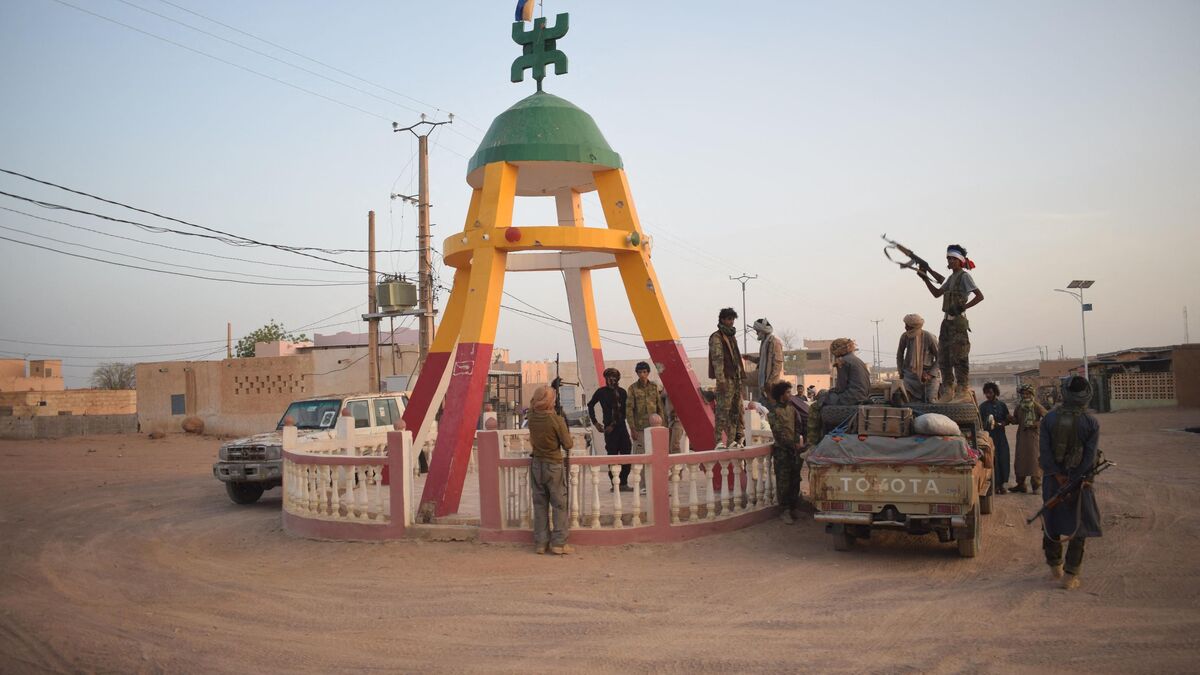
In the heart of the Sahel, a new military actor has emerged from the shadows, quietly taking over where another controversial group left off. Africa Corps, Russia’s latest paramilitary deployment in West Africa, recently faced its first major setback when rebel forces reclaimed the strategic city of Kidal—a stronghold it had controlled for years.
This sudden withdrawal from Kidal marks a turning point in the group’s operations, but its influence across the region remains intact. As a pivotal player in Moscow’s African strategy, Africa Corps continues to serve as a critical instrument for expanding Russian geopolitical and economic interests on the continent.
From Wagner to Africa Corps: a strategic shift in Moscow’s African policy
The genesis of Africa Corps traces back to late 2023, when whispers among military analysts and Kremlin-linked sources began circulating about a new structure designed to consolidate Russia’s military footprint in Africa. The organization was officially unveiled in November of that year, following declarations attributed to Igor Korotchenko, a former Russian colonel and commentator with close ties to the Kremlin.
Unlike its predecessor, the Wagner Group—which operated with a degree of autonomy and notoriety—Africa Corps is reported to be under the direct oversight of Younous-bek Evkourov, Russia’s Deputy Minister of Defense. This centralization reflects Moscow’s intent to streamline its African operations under state control, reducing reliance on independent actors like Wagner, whose leadership met a controversial end in 2023.
Analysts suggest that the formation of Africa Corps was accelerated by the internal turmoil that followed the death of Wagner’s founders, Evgueni Prigojine and Dmitri Outkine. Their demise in a plane crash in August 2023—preceded by Prigojine’s brief but dramatic rebellion against the Kremlin—left a void that Moscow sought to fill with a more disciplined and state-aligned force.
Rebranding with a dark historical echo
The choice of the name Africa Corps is no coincidence. It directly references the Afrikakorps, the German armored force that fought in North Africa during World War II under the command of Erwin Rommel. The parallel is deliberate, drawing on the historical resonance of a military unit operating in Africa—albeit under vastly different ideological and geopolitical contexts. While Wagner’s name paid homage to a composer favored by Hitler, Africa Corps leans into a more ambiguous historical symbolism, one that Moscow appears to wield with calculated intent.
Mission and methods: sovereignty, security, and strategic resources
Africa Corps has made its objectives clear from the outset. According to Korotchenko and other military sources, the group’s mandate includes conducting large-scale military operations across Africa to support governments seeking to break free from what Moscow describes as neo-colonial dependencies. This involves not only providing security assistance but also positioning Russia as a counterweight to Western influence in the region.
Despite its more discreet approach compared to Wagner—which was frequently accused of human rights abuses and brutal tactics—Africa Corps has not escaped international scrutiny. In 2024, the United Kingdom imposed sanctions on the group, accusing it of widespread human rights violations and exploiting natural resources for personal gain. These allegations underscore the dual nature of Africa Corps’ operations: a blend of state-sponsored military support and opportunistic resource extraction.
A growing footprint across the Sahel
Since its establishment, Africa Corps has rapidly expanded its presence beyond Mali, establishing footholds in several key countries. Its operations now span Burkina Faso, Libya, Sudan, Central African Republic, and Niger, where it provides military training, logistical support, and combat assistance to allied governments. In each of these nations, the group’s activities align with Russia’s broader goals: securing influence, accessing valuable resources, and countering Western presence.
In Mali, Africa Corps has played a pivotal role in bolstering the military junta that seized power in recent years. By deploying hundreds—if not thousands—of fighters, the group has helped the junta maintain its grip on power, particularly in the face of persistent rebel threats. This support has come at a critical juncture, as Western powers, including France, have gradually withdrawn their military presence from the region, leaving a power vacuum that Moscow has been eager to fill.
Africa Corps vs. Wagner: continuity and change
While Africa Corps is often described as Wagner’s successor, the two groups differ significantly in structure and tactics. Africa Corps is characterized by a more rigid, centralized command structure, with decisions flowing directly from Moscow rather than local commanders. This approach aims to mitigate the risks associated with independent operations that can lead to reputational damage or geopolitical complications.
Moreover, Africa Corps has sought to distance itself from the more egregious excesses of Wagner, such as large-scale civilian massacres and flagrant human rights abuses. Instead, it focuses on building relationships with host governments, offering a blend of military expertise, security guarantees, and economic incentives—such as arms deals and mining concessions. This strategy has allowed Africa Corps to cultivate allies among African leaders who view Russia as a more reliable partner than former colonial powers.
The road ahead: challenges and opportunities
The recent loss of Kidal represents a setback for Africa Corps, but it is unlikely to derail its long-term ambitions. The group’s ability to regroup and reassert its influence will depend on several factors, including the stability of Mali’s junta, the resilience of rebel forces, and the broader geopolitical dynamics in the Sahel.
For Russia, Africa Corps is more than just a military tool—it is a means of projecting power, securing strategic resources, and challenging Western dominance in Africa. As the group continues to expand its operations, its actions will likely shape the security landscape of the Sahel for years to come, with implications far beyond the borders of Mali.