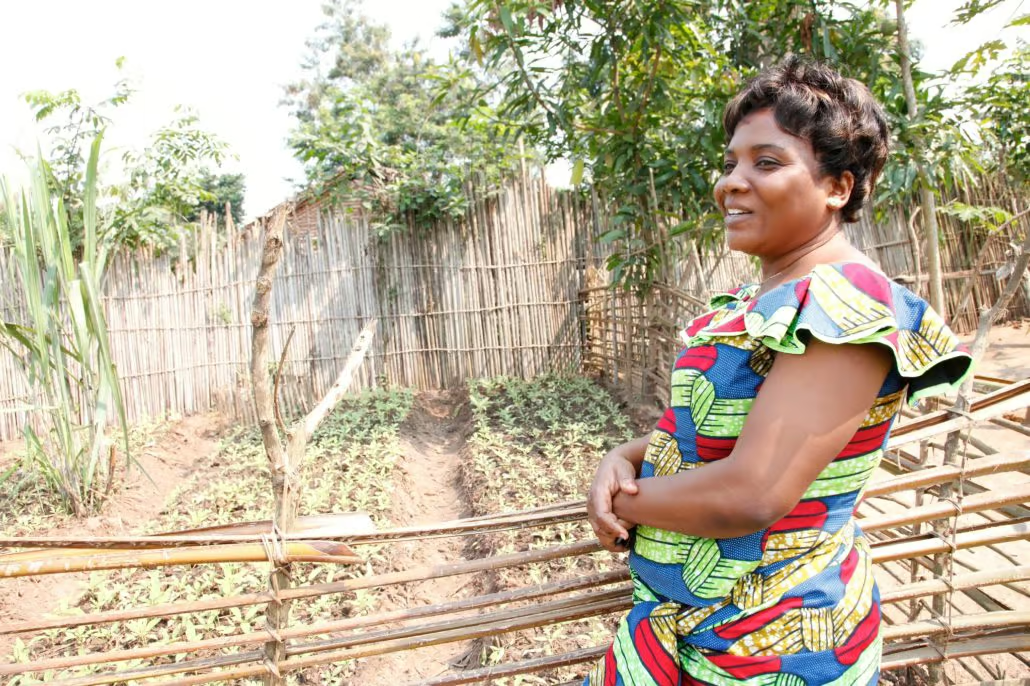
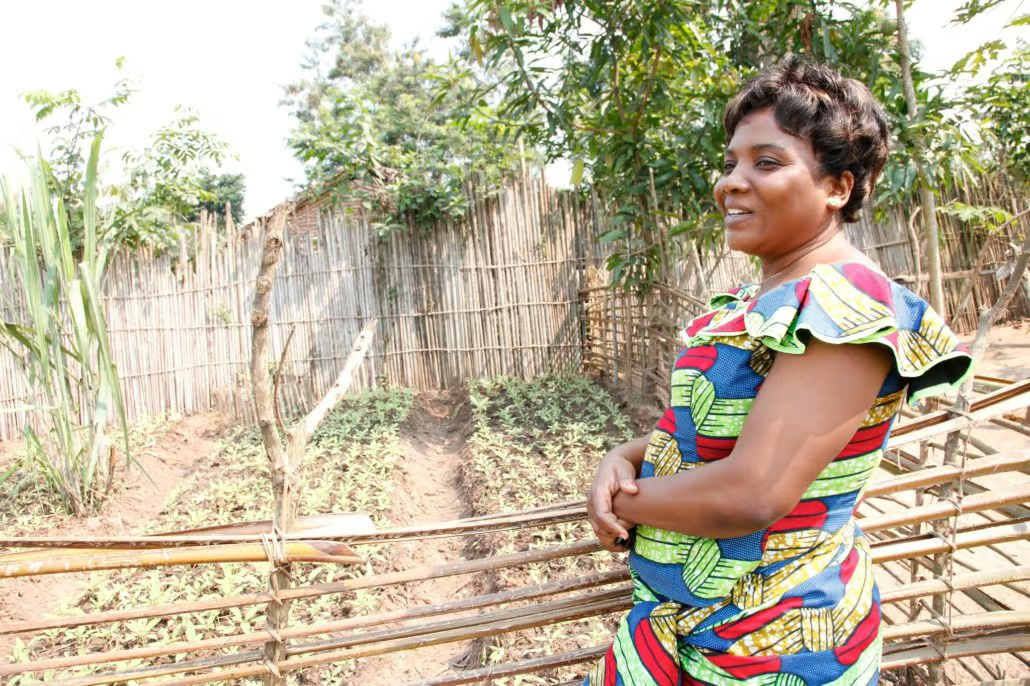
 The Democratic Republic of Congo (DRC) has endured a severe and protracted food crisis for over a quarter-century. Currently, the struggle for basic sustenance impacts an alarming 26.5 million people across the nation. Globally, the DRC ranks as the third-highest country on the hunger index, surpassed only by Somalia and South Sudan. Despite the immense scale of suffering, the humanitarian situation in the DRC often receives significantly less international attention and reporting compared to these other nations.
The conflict driving food insecurity
This disparity in coverage stems from both the enduring nature and the specific drivers of the DRC’s food crisis. Since the First Congo War in 1996, the eastern border regions of the DRC have been plagued by relentless armed conflict. This prolonged violence is the fundamental cause of hunger in the DRC, making it a more complex narrative to convey than the relatively more recent famines in Somalia and South Sudan, which are often exacerbated by extreme climatic events.
Regrettably, the lack of widespread media attention does not diminish the intensity of the conflict or the severity of the famine. Last year, the M23 rebel group seized control of Goma, a critical city in the east and a vital hub for international trade within the region. This extensive conflict has forcibly displaced an estimated 7.8 million individuals within the DRC, further deepening issues of food insecurity and inadequate sanitation. Providing assistance to these displaced populations has become an even more formidable and crucial task following the fall of Goma.
Humanitarian response and immediate relief efforts
To address these pressing challenges, the Food and Agriculture Organization of the United Nations (FAO) and the World Food Programme (WFP) are actively engaged in tackling the DRC’s food crisis. Leveraging $10 million from the DRC Humanitarian Fund, these organizations have combined their efforts to deliver immediate food aid or cash assistance to nearly 1.3 million people. While this represents a substantial humanitarian undertaking, it falls considerably short of the $214 million required to support the entire affected Congolese population.
Building long-term food security
Beyond immediate relief, both organizations have also prioritized strengthening the resilience and self-sufficiency of local communities. Nutritional deficiencies in the region are particularly critical, with over 4.18 million children under the age of five suffering from acute malnutrition. To prevent future occurrences, the WFP has established nutrition-focused cooking classes in dozens of villages across the DRC. These sessions not only promote healthier, more balanced diets for Congolese children but also emphasize recipes utilizing only locally grown ingredients.
Concurrently, the FAO continues to bolster the region’s agricultural sector. This comprehensive support includes providing seeds, essential tools, livelihood assistance, and cash aid, all designed to help families re-establish food production and lessen their overall reliance on external food assistance. However, the FAO has not yet secured sufficient funding to extend agricultural support across the entire affected region. An urgent additional $163 million is critically needed to scale up this vital agricultural support before crucial planting seasons are missed.
The funding deficit and the path forward
The Democratic Republic of Congo continues to grapple with a prolonged famine, primarily fueled by ongoing armed conflict. Without the dedicated efforts of the FAO and WFP to combat food insecurity, this famine would have reached even more catastrophic proportions following the M23’s takeover of Goma. These organizations are committed to a two-pronged approach to the food crisis, integrating immediate food aid with long-term support for agriculture and sustainable food security. Nevertheless, their comprehensive plans to deliver essential assistance and ultimately end hunger in the region are hampered by a significant funding shortfall of $214 million. Alleviating hunger in the Democratic Republic of Congo will necessitate sustained donations and an unwavering commitment to both emergency relief and long-term recovery initiatives. Through such collective action, the international community can help transition the current humanitarian emergency into lasting food security for the future.
*