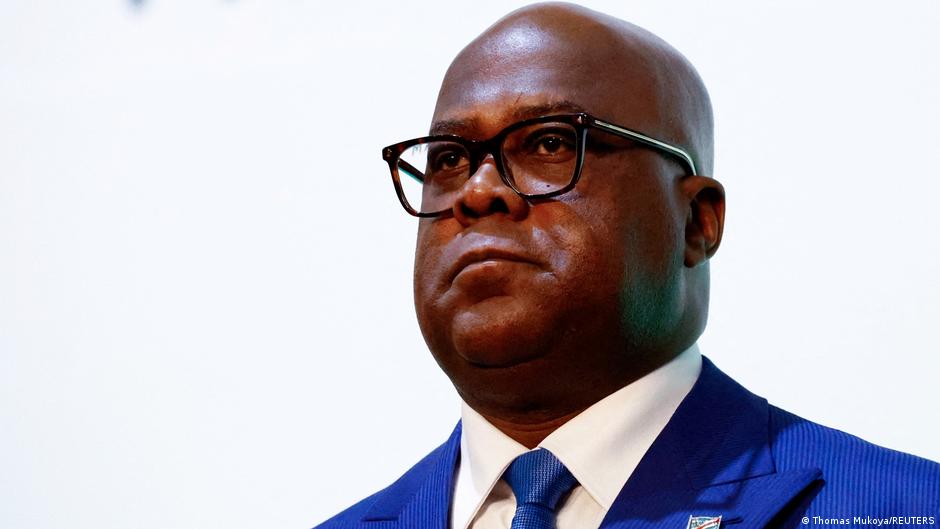
Unlocking DRC’s political future through national dialogue
Experts assess the significance of President Félix Tshisekedi’s July 17 announcement on an upcoming inclusive political dialogue in the Democratic Republic of the Congo.
The President of the Democratic Republic of the Congo, Félix Tshisekedi, formally endorsed on July 17, 2026, plans for a nationwide, inclusive, and peaceful political dialogue. The announcement followed consultations with leading religious leaders across the country. Key discussion topics include:
Ongoing insecurity in the eastern regions;
Deepening political tensions;
Governance challenges;
Economic and social hardships;
Critical reforms needed to strengthen peace and democracy.
At this stage, several operational details remain undefined, including:
The exact timeline for the dialogue;
The full list of participants;
The final agenda;
The organizational framework, expected to be outlined in a forthcoming presidential decree.
Why this dialogue matters
Heal national divisions and restore social cohesion;
Address the prolonged security crisis in eastern DRC;
Promote a more stable and cooperative political environment;
Bring together all vital stakeholders under the Constitution’s guiding principles.
This move marks a notable shift in the government’s approach. For over a year, a growing chorus of voices—including faith leaders, parts of the opposition, and civil society groups—have been calling for such a national conversation.
The main opposition coalition welcomed the announcement and postponed a planned July 22 demonstration in Kinshasa. However, they have set an August 15 deadline for the President to formally convene the dialogue, warning of renewed public mobilizations if this timeline is not met.
During today’s discussion, our panel explored the potential impact of this initiative:
- Bob Kabamba, political science professor at the University of Liège, Belgium;
- Martin Ziguélé, former Prime Minister of the Central African Republic and leader of the Central African People’s Liberation Movement;
- Trésor Kibangula, political director at Ebuteli, a Kinshasa- and Goma-based research institute focusing on politics, governance, and violence in the DRC.
Listen to the full conversation using the player above.