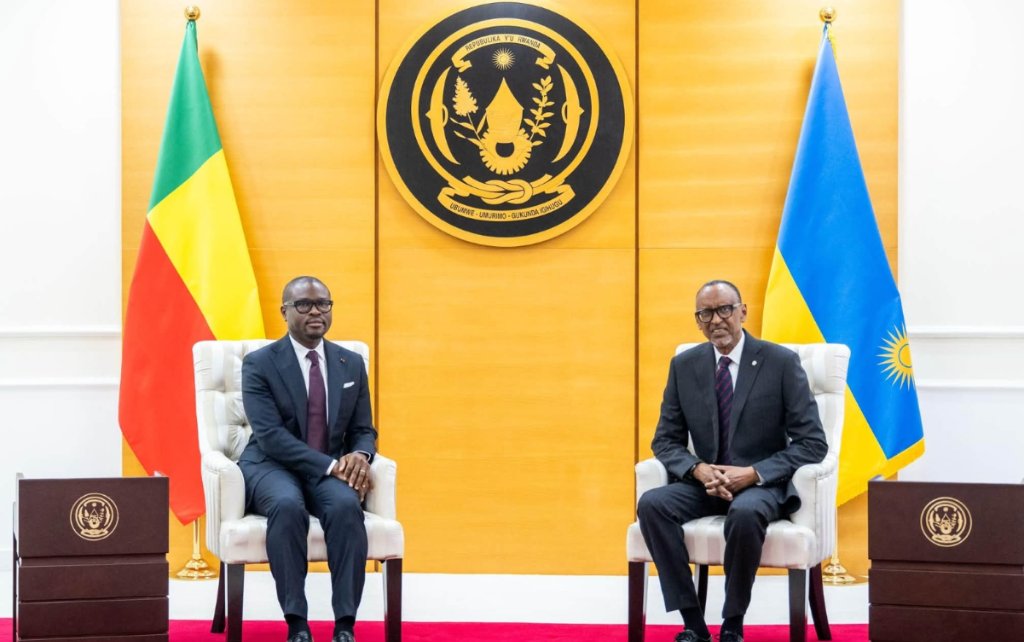
KIGALI — Benin’s President Romuald Wadagni began a pivotal two-day official visit to Rwanda on Wednesday, September 16, 2026, marking his first diplomatic trip abroad since assuming office in May. The journey carries significant weight for both nations, not only as a gesture of solidarity at the Gisozi Genocide Memorial but as a strategic move with tangible consequences for citizens and businesses across Benin.
Real-world stakes of a symbolic stop at gisozi
Wadagni’s solemn visit to the Kigali Genocide Memorial in Gisozi—where over 250,000 victims of the 1994 genocide against the Tutsi are buried—transcends ceremony. In Rwanda, memory is policy. This act of remembrance directly influences diplomatic credibility and opens doors for deeper cooperation that could reshape trade, tech partnerships, and public service reforms back home in Benin.
For ordinary Beninese citizens, stronger ties with Rwanda may translate into access to digital governance models, agricultural innovation, and urban planning expertise that Kigali has refined over the past two decades. Local entrepreneurs, especially in fintech and agribusiness, stand to benefit from new bilateral frameworks aimed at boosting cross-border investment.
Summit talks focus on concrete collaboration
At Urugwiro Village, the Rwandan presidential residence, Wadagni was warmly received by President Paul Kagame. Their high-level dialogue centered on expanding cooperation in information and communication technology, public administration modernization, sustainable agriculture, and regional security—sectors where Rwanda has emerged as a continental leader.
The timing is strategic. With Benin pushing forward its own economic transformation agenda, Rwanda’s experience in leveraging digital infrastructure to drive inclusive growth offers actionable insights. Joint initiatives could soon impact everything from e-government services to logistics corridors connecting West and East Africa.
From commemoration to economic consequence
The Gisozi Memorial isn’t just a place of mourning—it’s a living archive and educational hub that underscores Rwanda’s national ethos: “Never again.” For visiting dignitaries like Wadagni, honoring this site signals alignment with values of unity, accountability, and resilience—qualities that underpin investor confidence and long-term partnerships.
Rwanda’s post-genocide recovery model, built on tech-driven development and strict institutional reform, holds practical lessons for Benin. As both nations navigate complex regional challenges, this visit could catalyze knowledge transfers that directly affect job creation, service delivery, and business environments in Cotonou and beyond.
A foundation for future prosperity
This two-day mission builds on earlier engagement—Rwanda’s Prime Minister attended Wadagni’s inauguration, signaling Kigali’s serious interest in deepening ties. Now, with face-to-face talks concluded and mutual commitments made, the real work begins: turning diplomatic goodwill into measurable outcomes for citizens and enterprises in both countries.
As Wadagni departs Kigali, the echoes of Gisozi serve not only as a tribute to the past but as a blueprint for a more connected, resilient, and economically dynamic partnership between Benin and Rwanda.