what to expect from the democratic republic of Congo national dialogue
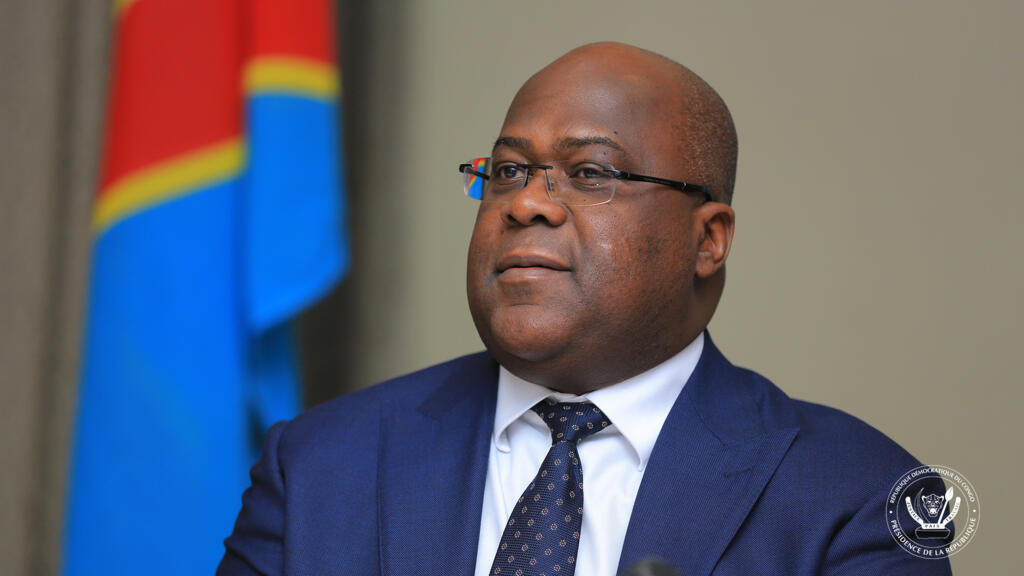
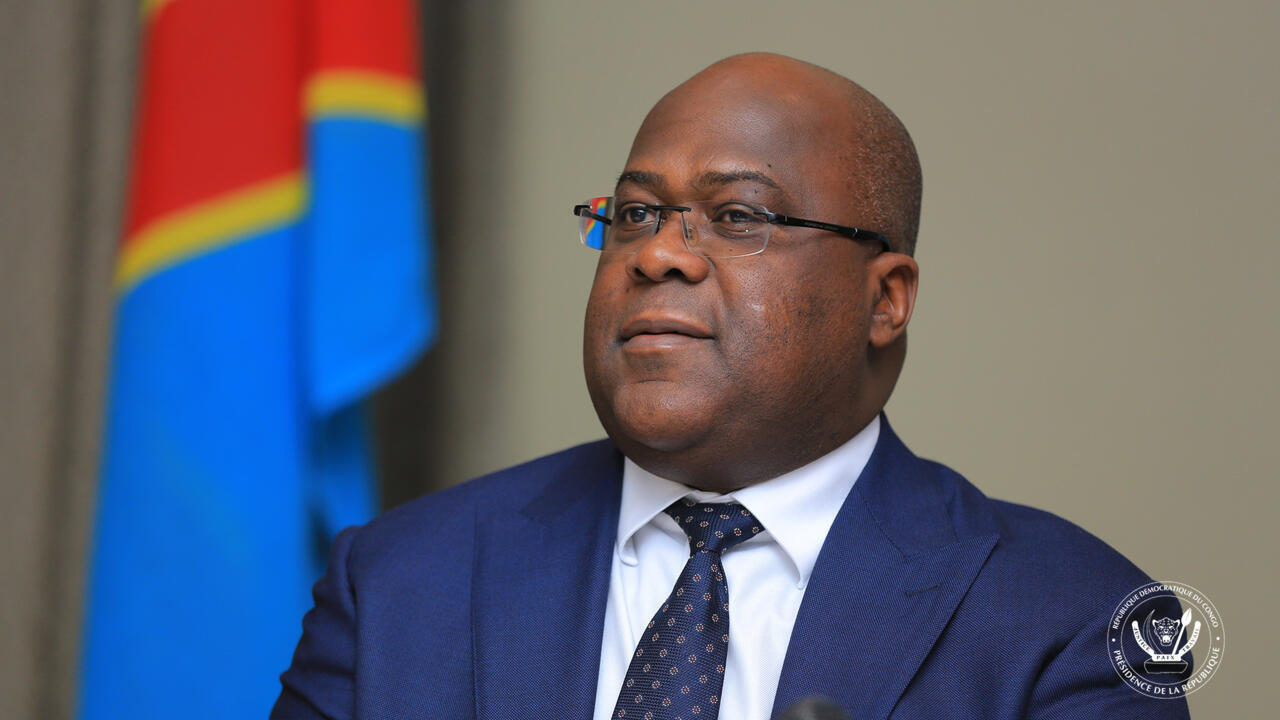
In the Democratic Republic of Congo, the opposition has called for the national dialogue to begin before August 15, setting an ultimatum against President Félix Tshisekedi’s bid for a third term. The move comes as protests remain postponed but tensions escalate over constitutional revisions.
why the opposition is pushing for an early dialogue
Opposition leaders insist the national dialogue must convene prior to the August deadline to address concerns about unconstitutional power retention. Félix Tshisekedi’s potential third term has sparked widespread criticism, with opponents arguing it violates democratic norms. The opposition’s demands reflect growing unease over governance and electoral integrity.
what outcomes can be expected from the national dialogue
If the dialogue proceeds as demanded, several key outcomes may emerge:
- constitutional clarity: discussions could clarify whether a third term for Tshisekedi is permissible under current laws, potentially resolving legal ambiguities.
- political consensus: the dialogue may foster agreements between political factions, reducing polarization and setting a framework for future elections.
- electoral reforms: proposals for electoral system improvements could be debated, ensuring fairer representation and transparency in voting processes.
- public trust restoration: addressing grievances through structured negotiations might help rebuild confidence in state institutions among the populace.
public reaction and next steps
The opposition’s postponement of protests signals a strategic pause, allowing space for dialogue rather than escalating confrontation. However, the ultimatum underscores the urgency of the situation, with citizens and political actors closely monitoring developments. The government’s response to these demands will shape the trajectory of the national discourse.