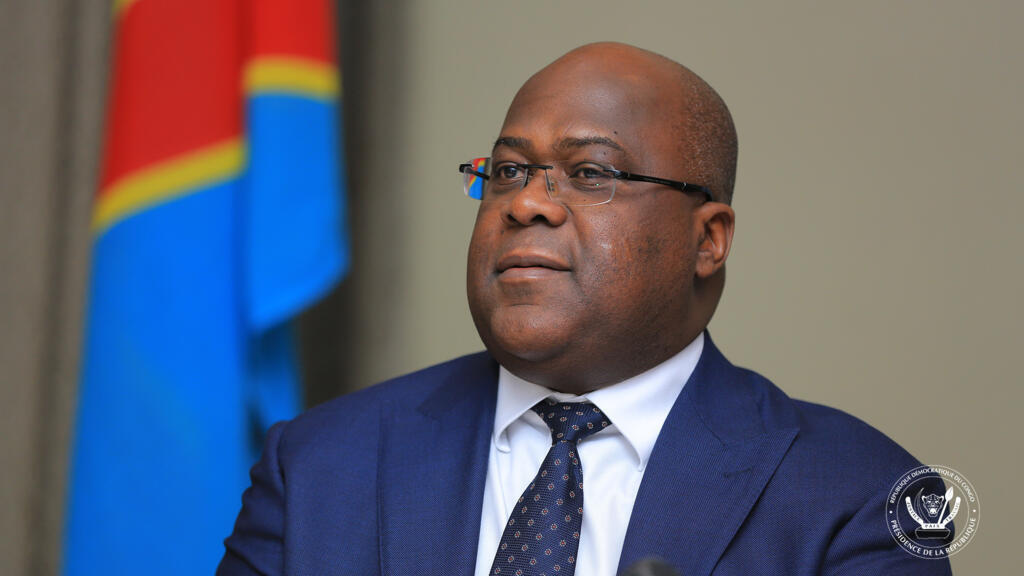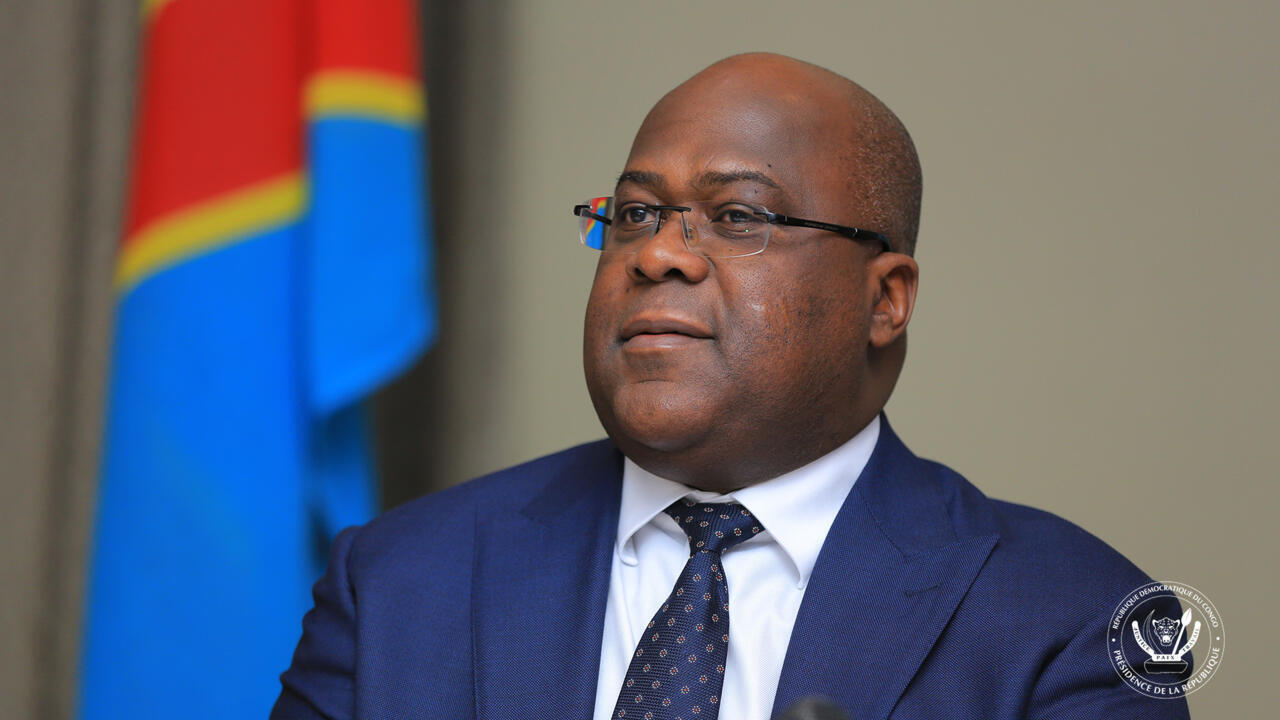
In the Democratic Republic of Congo (DRC), the opposition has called off its planned march for July 22 but remains steadfast in its opposition to a third term for President Félix Tshisekedi. The opposition insists that the national dialogue, announced by the president, must commence before August 15. What do you anticipate from this national dialogue? What are your expectations?
Why the opposition is pushing for an early dialogue
The opposition’s decision to postpone the march reflects a strategic shift in their approach to addressing concerns about the president’s potential bid for a third term. By demanding the national dialogue to begin before mid-August, they aim to set the agenda and ensure their voices are heard in shaping the country’s political future.
The opposition argues that the national dialogue is essential to address pressing issues such as constitutional reforms, electoral integrity, and governance challenges. They view the dialogue as a platform to negotiate critical reforms that could prevent further political instability.
What can the national dialogue achieve?
The national dialogue, if successfully convened and inclusive, could serve multiple purposes:
- Constitutional clarity: The dialogue could clarify the president’s eligibility for a third term, addressing concerns about constitutional adherence and electoral processes.
- Reforms and reconciliation: It may pave the way for meaningful reforms in governance, electoral laws, and security sector restructuring to foster national reconciliation.
- Stakeholder engagement: The dialogue could bring together diverse stakeholders, including political parties, civil society, and religious groups, to build consensus on the country’s future direction.
- Preventing unrest: By addressing grievances through dialogue, the DRC could avoid escalating tensions that could lead to widespread protests or conflict.
Public sentiment and expectations
The opposition’s ultimatum has sparked public debate about the role and potential outcomes of the national dialogue. Many citizens are hopeful that the dialogue will lead to tangible reforms, while others remain skeptical about its ability to bring meaningful change. Public expectations include:
- Transparency in the dialogue process and outcomes.
- Genuine participation from all political and social groups.
- Clear commitments to electoral and constitutional reforms.