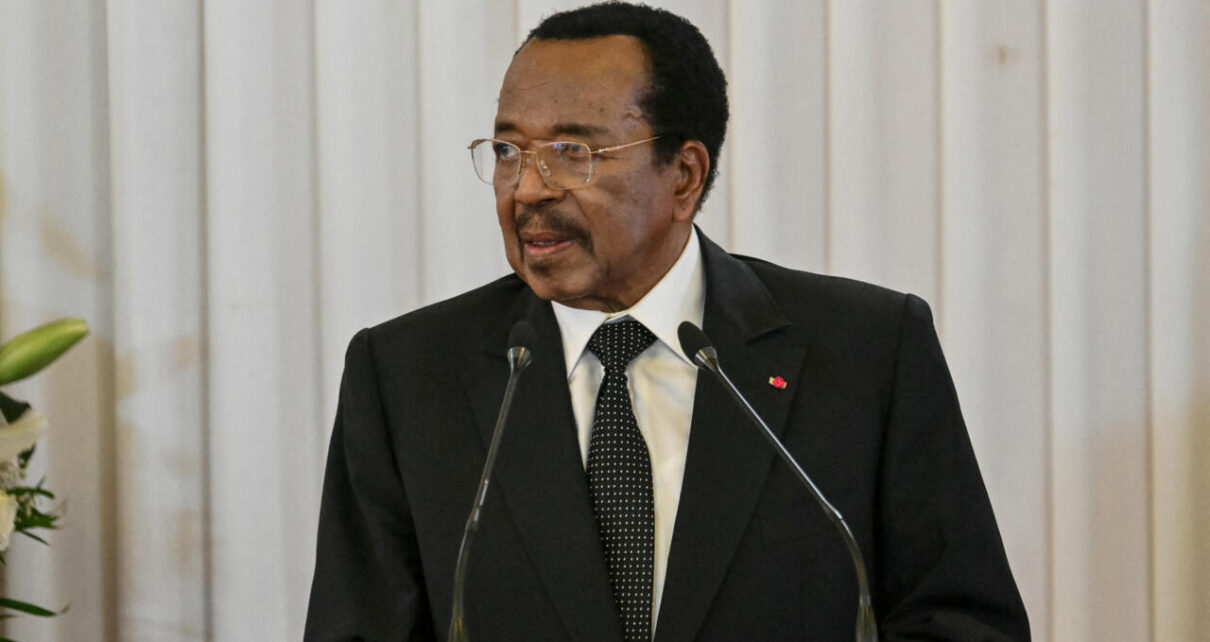
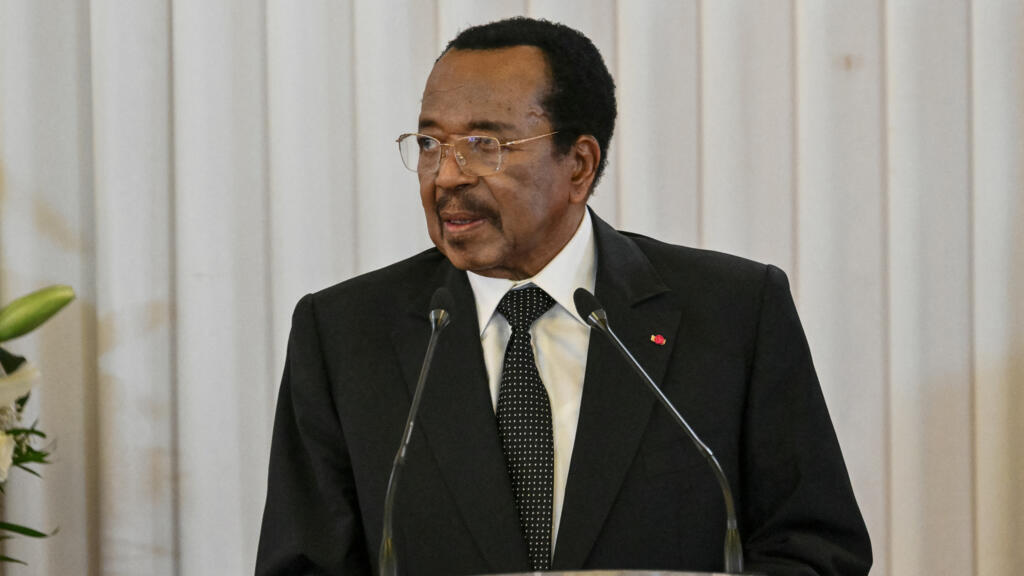
Cameroon’s Head of State, Paul Biya, has not been seen in public for more than fifty days. His last public appearance was on June 7, when the Cameroon Tribune announced his departure for what was described as a short private stay in Europe. Since then, no further details have been released regarding his current whereabouts or expected return date—despite the fact that the 93-year-old leader is the country’s president.
silence fuels speculation and institutional concerns
The prolonged absence, coupled with the government’s lack of transparency, has sparked intense speculation and growing unease. Opposition parties are now openly questioning the continuity of state power, using phrases like “vacancy of power”, “autopilot governance”, and “remote working government” to describe the situation.
These concerns raise critical questions: What does the Constitution say about prolonged presidential absence? Could this situation lead to paralysis in managing the country’s most pressing issues? With no clear information from official sources, public trust continues to erode, and the vacuum at the top of the state is becoming increasingly difficult to ignore.
what the constitution says about prolonged absence
Under Cameroon’s constitutional framework, a president’s prolonged absence—especially one shrouded in secrecy—can trigger serious legal and institutional consequences. The silence surrounding Biya’s current status does not align with the transparency expected in such matters. While the Constitution provides mechanisms for temporary delegation of power in cases of short-term absence, a prolonged and unexplained absence raises serious constitutional questions.
Legal experts point out that failure to clarify a president’s status can lead to a de facto institutional vacuum, potentially undermining the functioning of government and public confidence in state institutions. The lack of official updates only deepens public anxiety and fuels rumors that the government is operating without full legitimacy.
could this affect national decision-making?
Yes. A prolonged absence without clear delegation of authority can paralyze decision-making, especially on urgent national issues such as security, economic policy, and international relations. When a head of state is incapacitated or unreachable without explanation, critical files may stall, and the chain of command becomes unclear. This can have cascading effects on governance, investor confidence, and public services.
In a country facing ongoing security challenges and economic pressures, such uncertainty is particularly dangerous. The longer the silence persists, the greater the risk of instability—not just politically, but across all sectors of society.
calls for transparency grow louder
Civil society groups, opposition leaders, and even some within the ruling establishment are now calling for immediate clarification. The absence of reliable information has become a liability for national cohesion and governance. Without clear communication, speculation will continue to fill the void—undermining trust in leadership and the stability of the state.
As questions mount and no answers are forthcoming, one thing is certain: Cameroon cannot afford prolonged uncertainty at the highest level of power. The clock is ticking, and the demand for transparency has never been more urgent.