Absence of Cameroon’s president biya sparks questions over governance
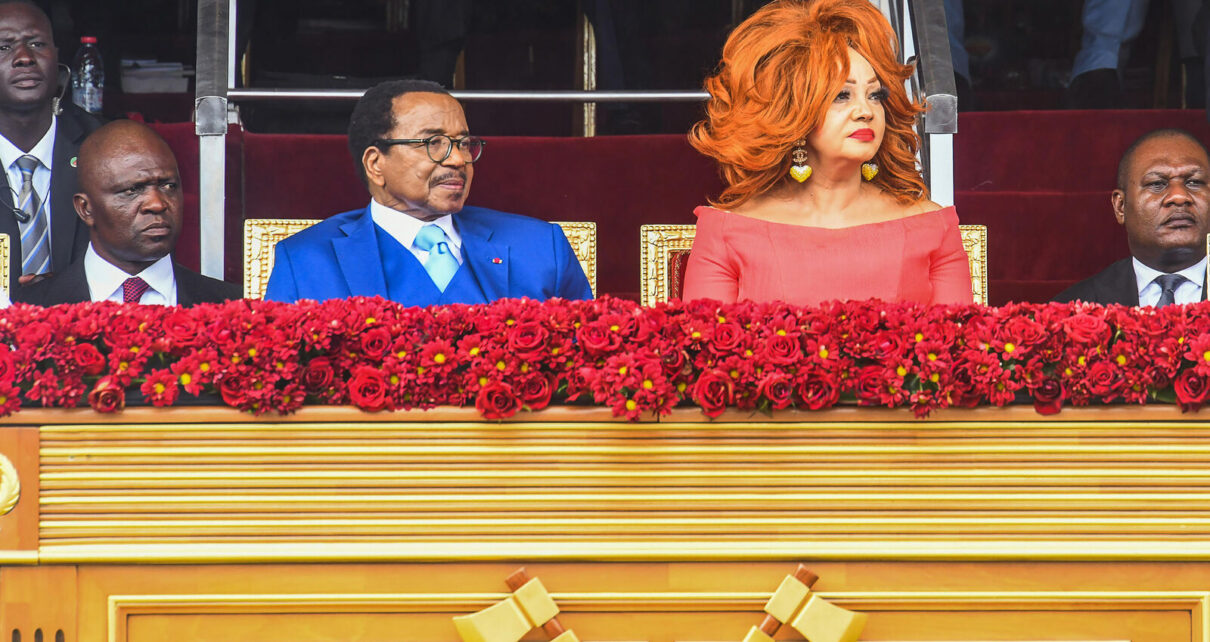
For over sixty-five days, Cameroon has been without the visible presence of its president, Paul Biya, who has been in Switzerland since June 7. This prolonged absence marks an unprecedented chapter in the forty-three-year tenure of a leader known for his firm grip on power.
The silence surrounding his condition and whereabouts has fueled speculation both within the country and beyond its borders. Some citizens have gone as far as questioning whether the president is still alive, while others express concern over the implications of a government operating from a distance.
Government assurances meet skepticism
The Cameroonian government has repeatedly assured the public that President Biya remains in charge, despite his absence. Official statements emphasize that decrees and directives continue to be issued from Geneva, where he is reportedly receiving medical care. Yet, these assurances have done little to dispel the growing unease among opposition figures and the general populace.
The president’s prolonged stay in Switzerland has raised questions about the stability of the country’s leadership. With no public appearances or clear updates on his health, the vacuum at the top has become a focal point of national conversation.
Opposition voices grow louder
Opposition leaders have seized on the situation to criticize the government’s opacity. They argue that the absence of a clear succession plan or transparent communication only deepens the uncertainty gripping the nation. Calls for accountability have grown louder, with some demanding that the government provide verifiable updates on the president’s condition.
The lack of visible leadership has also sparked debates about the long-term impact on Cameroon’s political and economic stability. Businesses and international partners alike are watching closely, wary of the potential consequences of an extended leadership vacuum.
What happens next?
As the days turn into weeks, the pressure on the government to address the situation intensifies. Citizens and observers alike are left wondering how long this state of affairs can persist before it begins to erode public trust and confidence in the state’s ability to govern effectively.
The coming days will likely bring further scrutiny, as both domestic and international stakeholders seek clarity on the future of Cameroon’s leadership.