A nation reels as two attacks leave 27 dead and communities demanding change
South Africa has been thrust back into a familiar and painful debate after at least 27 people were killed in two separate shooting attacks in Johannesburg and the Cape Town area. The attacks, which also left several people seriously wounded, have ignited fresh public outrage and urgent questions about what the country can do to stop the bloodshed.
The violence unfolded within a short span of hours, leaving the economic hub of Johannesburg and the country’s top tourist destination in mourning. The scale and coordination of the attacks have intensified scrutiny on the government’s ability to protect its citizens.
How the attacks unfolded
In Johannesburg, gunmen opened fire on a group of people in a popular neighborhood, targeting individuals at an informal establishment. In Cape Town, the shooting erupted in a peri-urban area known for gang rivalries and organized crime. In both cases, unidentified armed men fired indiscriminately before fleeing in vehicles, according to police.
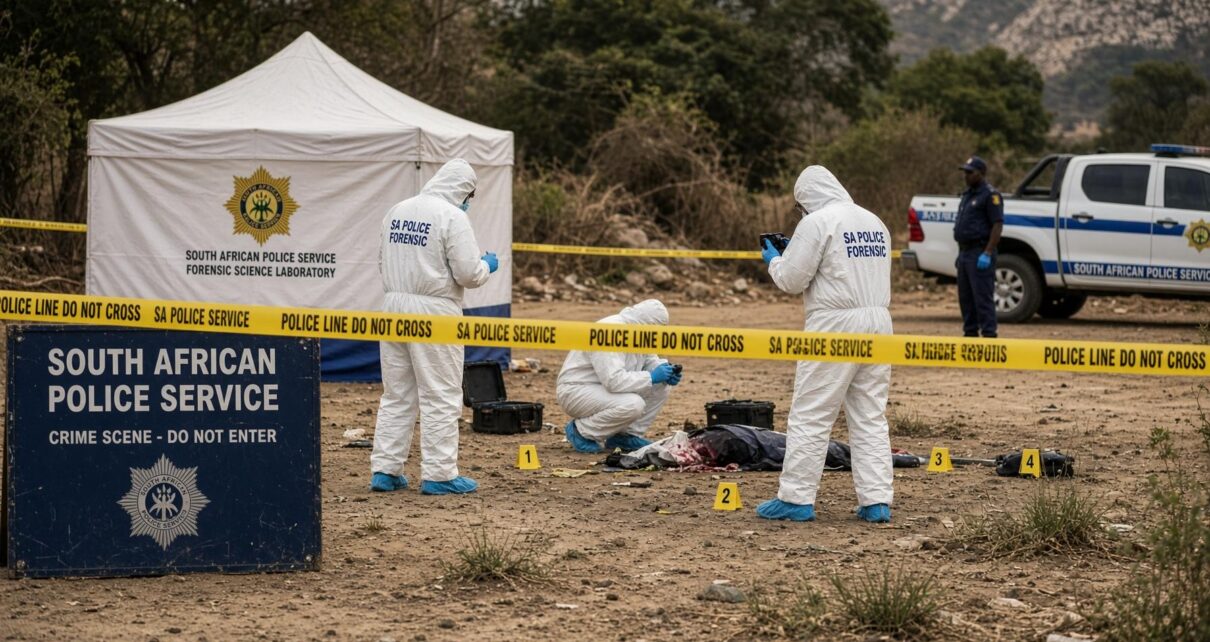
Police have deployed reinforcements to both crime scenes and launched manhunts to identify and arrest the attackers. No arrests had been announced at the time of reporting.
A recurring national crisis
The latest bloodshed has reignited the debate over South Africa’s alarming levels of violent crime. The country consistently records one of the highest homicide rates in the world, driven by a complex mix of factors:
- Fights over control of drug trafficking and extortion networks, known as gangsterism, in townships.
- Deadly rivalries between minibus taxi associations.
- The unchecked flow of illegal firearms.
Despite repeated pledges by authorities to boost police presence and curb weapons trafficking, mass shootings have become more frequent in recent years. That trend is fueling growing anger and frustration among a public that feels increasingly unsafe.
What happens now
The aftermath of these attacks is likely to sharpen the national conversation about gun control, policing strategies, and the root causes of violence. Communities in both Johannesburg and Cape Town are demanding concrete action, not just promises. As funerals are planned and victims’ families seek answers, the pressure on leaders to deliver real change is mounting.
For many South Africans, the question is no longer whether another mass shooting will happen, but when — and whether anything will be done to prevent it.