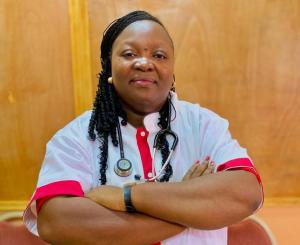
advocating for sickle cell patients in Burkina Faso: dr. gloria damoaliga berges’ fight
Ouagadougou – in Burkina Faso, sickle cell disease affects an estimated 4.63% of the population, with nearly 2% of newborns diagnosed with the severe ss form. these figures highlight a pressing public health challenge that demands a collaborative, multi-sector response involving all segments of society.
dr. gloria damoaliga berges, a prominent civil society advocate and vice-president of the centre d’initiative contre la drépanocytose au Burkina Faso (cid/b), has dedicated over a decade to combating this disease. her journey reflects a deep commitment to improving care, raising awareness, and reshaping perceptions around sickle cell.
below, she shares insights into her motivation, achievements, ongoing struggles, and the path forward.
what inspired your lifelong dedication to sickle cell disease?
from the early days of my medical career, i encountered countless children and young adults battling the excruciating pain of sickle cell. witnessing their suffering left me determined to act. in 2015, i was asked to help establish a dedicated care unit at the hospital where i worked, supported by the division of intervention at cid/b. that moment marked a turning point—my involvement evolved into a mission to transform lives.
why do sickle cell births persist despite awareness?
sickle cell is hereditary. when both parents carry the hemoglobin s gene, each pregnancy carries a 25% risk of a child being born with severe sickle cell disease (ss genotype). unfortunately, many couples remain unaware of their genetic status before conception, often overlooking the importance of hemoglobin electrophoresis tests before marriage or pregnancy. raising awareness about these tests is critical to prevention.
how have you engaged communities in your efforts?
community ignorance remains a major barrier. through cid/b, i’ve led sensitization campaigns across Burkina Faso and organized large-scale screening drives. between january and july 2024 alone, we screened nearly 15,000 children in five regions, in partnership with a local ngo. these initiatives also combat stigma, fostering understanding and acceptance of patients.
what concrete steps have you taken to improve care?
i’ve worked with hematology teams and the ministry of health to implement neonatal screening programs and train healthcare workers in managing sickle cell pain. another milestone was launching drépa minute, a free hotline (80001350) offering local-language support for families and individuals seeking information. these efforts aim to enhance disease awareness, improve care standards, and empower affected families through social mobilization.
cid/b collaborates closely with the ministry of health’s direction de la prévention et du contrôle des maladies non transmissibles (dpcm), with funding from partners like the french development agency, the pierre fabre foundation, and the principality of monaco. together, we’re advancing projects that combine medical care, psychosocial support, and socioeconomic assistance for sickle cell patients. our 11 regional branches offer therapeutic education groups, peer support networks, mental health coaching, and vocational training to boost patient autonomy. we also partner with health mutuals and advocate for universal health coverage to ensure equitable access to care.
have you seen progress in recent years?
today, sickle cell disease is finally recognized as a public health priority. the ministry of health, through the dpcm, has developed a dedicated strategic plan and is mobilizing resources for its implementation. awareness has grown—both among the public and healthcare professionals—and specialized training programs are equipping providers with better tools. early diagnosis and treatment have improved significantly.
stigma is fading too. myths that once portrayed sickle cell as a curse or a death sentence are being dismantled. we now see more patients living full lives—working, raising families, and thriving with proper care and follow-up.
what are the biggest challenges still ahead?
despite progress, critical gaps remain. key challenges include:
- limited access to screening and diagnosis in rural areas
- shortages of essential medications like hydroxyurea, pain relievers, and antibiotics
- barriers to vaccination against preventable diseases
- difficulties in managing complications and blood transfusions
urgent action is needed to expand neonatal and early screening, strengthen care systems, and ensure coordinated efforts between the ministry of health and its partners. the silent cries of sickle cell patients must be heard.
my commitment to this cause is unwavering. fighting sickle cell isn’t just about health—it’s about restoring dignity and hope to thousands of lives.