
«It is unacceptable for coup plotters to run in democratic elections»
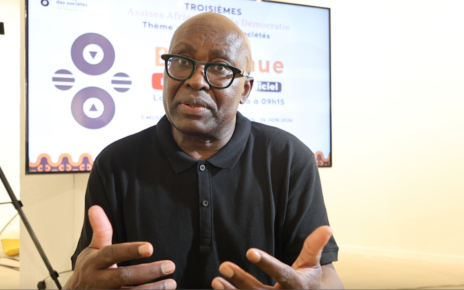
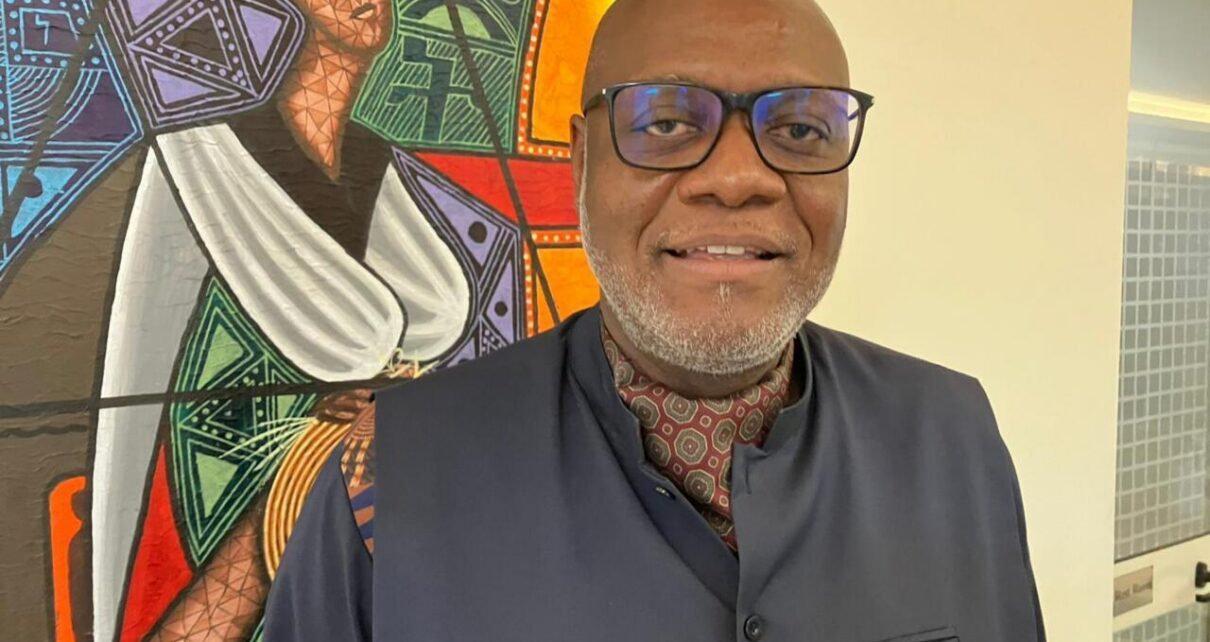
The 39th African Union summit concluded with a bold declaration: “silencing the guns” and ending unconstitutional power transitions. But can this promise be taken seriously? Cameroonian researcher Paul-Simon Handy, regional director of the Institute for Security Studies (ISS) for East Africa, attended the summit in Addis Ababa and was our guest on Africa Midi.
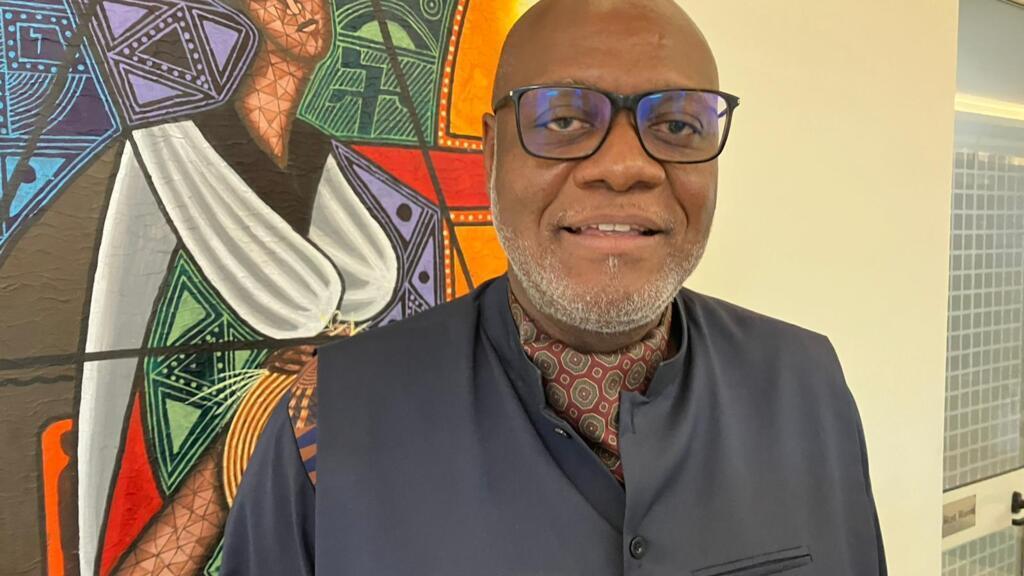
During the interview, Paul-Simon Handy addressed the African Union’s latest stance against unconstitutional power grabs. He highlighted the paradox of allowing those who seized power through coups to later participate in elections, questioning the continent’s commitment to democratic principles.
Can Africa truly silence the guns?
The 39th AU summit in Addis Ababa set ambitious goals: ending armed conflicts and rejecting unconstitutional regime changes. Yet, the challenge remains daunting. Handy emphasized that electing coup leaders undermines the very foundation of democratic governance, calling for stricter measures to prevent such scenarios.
Regional instability and democratic backsliding
Handy pointed to recent political crises in several African nations, where military takeovers have been followed by questionable electoral processes. He argued that international and regional bodies must enforce sanctions against regimes that deviate from constitutional order, rather than rewarding them with legitimacy through elections.
Key takeaways from the discussion:
- Inconsistency in enforcement: While the AU condemns coups, it struggles to hold member states accountable when they allow coup plotters to run for office.
- Erosion of trust: Permitting such candidates to participate in elections weakens public faith in democratic institutions.
- Need for stronger mechanisms: Handy called for binding agreements to prevent coup leaders from gaining political power through elections.
The debate over whether Africa can truly “silence the guns” remains unresolved. As Handy noted, the continent’s ability to uphold democratic norms will determine its future stability and global standing.