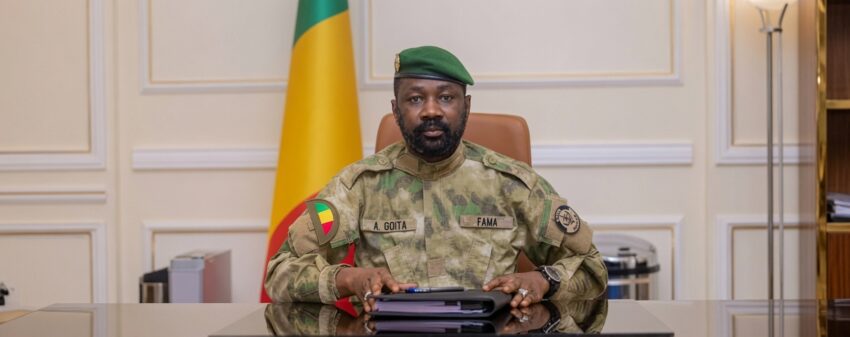
In Mali, the promise of a democratic transition under military rule has morphed into a grim reality. Behind the rhetoric of sovereignty and security stands a harsh truth: the Malian Armed Forces (FAMa) and their Russian-backed Wagner Group affiliates are systematically violating international humanitarian law. What began as a fight against terrorism has ground down into a daily nightmare for civilians, whose trust in the state is eroding fast.
From rhetoric to reality: where did the law go?
The Niger River valley and the northern stretches of Mali were once bound by more than geography. Since ratifying the Geneva Conventions in 1965—and later the Additional Protocols in 1989—the country committed itself to a framework that demands clear separation between combatants and civilians, forbids degrading treatment, and protects detainees. Training manuals in military barracks even made the teaching of conflict law compulsory. Yet today, the gap between official doctrine and battlefield practice yawns wider than ever.
The protection of civilians is no longer a principle; it has been replaced by a method. Brutality is wielded like a tactic, its use no longer accidental but deliberate. The consequences for local communities are catastrophic.
The human cost in numbers: a state at war with its people
Independent human rights monitors have documented a staggering pattern of abuse across Central and Northern Mali. Documented cases include:
- Dozen of arbitrary executions in villages near Mopti and Timbuktu
- Widespread reports of torture, including waterboarding and electrocution
- Forcible disappearances following night raids on Fulani settlements
- Pillage and destruction of entire hamlets, displacing over 20,000 civilians since 2023
These figures are not isolated incidents. They form a deliberate pattern of state violence that mirrors the brutality of the armed groups it claims to fight. Communities caught between jihadist intimidation and military repression find themselves abandoned by the very institutions meant to protect them.
The invisible war: how impunity took root
The withdrawal of the UN peacekeeping mission (MINUSMA) at the end of 2023 didn’t just silence international criticism—it removed the last layer of oversight on the ground. With monitors expelled, the junta effectively gained a free hand. The result has been a sharp rise in reported abuses within months of the withdrawal, as documented by remote monitoring groups. The absence of independent observers has turned remote villages into zones where international law is suspended and civilian lives are expendable.
Diplomatic silence: the regional failure to hold Mali accountable
The avenues for justice have collapsed. Mali’s announced withdrawal from the International Criminal Court and the political capture of domestic courts have closed most legal pathways. Regional bodies have responded with cautious statements at best. The African Union issues muted declarations, while ECOWAS focuses on constitutional order rather than the conduct of military operations. Neither has leveraged significant pressure to curb abuses or protect civilians.
The paradox of counterterrorism: how violence fuels the fire
By prioritizing military force over human rights, Mali’s junta has inverted the logic of counterinsurgency. Instead of draining support for armed groups, the wave of state-led violence has created fertile ground for recruitment. Civilians, brutalized and disillusioned, are increasingly seen as potential recruits by jihadist factions promising retaliation against the state. The junta’s strategy risks producing not stability, but a self-reinforcing cycle of violence that undermines its own foundations.
What’s at stake: the erosion of state legitimacy
A state that abandons its people in the name of security forfeits its right to govern. Each village razed, each family displaced, each life lost erodes public trust in Bamako. Legitimacy is not built on declarations of sovereignty, but on the protection of those it claims to serve. When a government turns its own citizens into collateral damage, it cedes moral authority to those it seeks to defeat—and risks accelerating its own collapse. The junta may believe it can outlast the insurgency through sheer force, but history suggests otherwise: no counterterrorism campaign built on civilian suffering has ever succeeded in the long run.