
«It is unacceptable for coup plotters to be democratically elected»
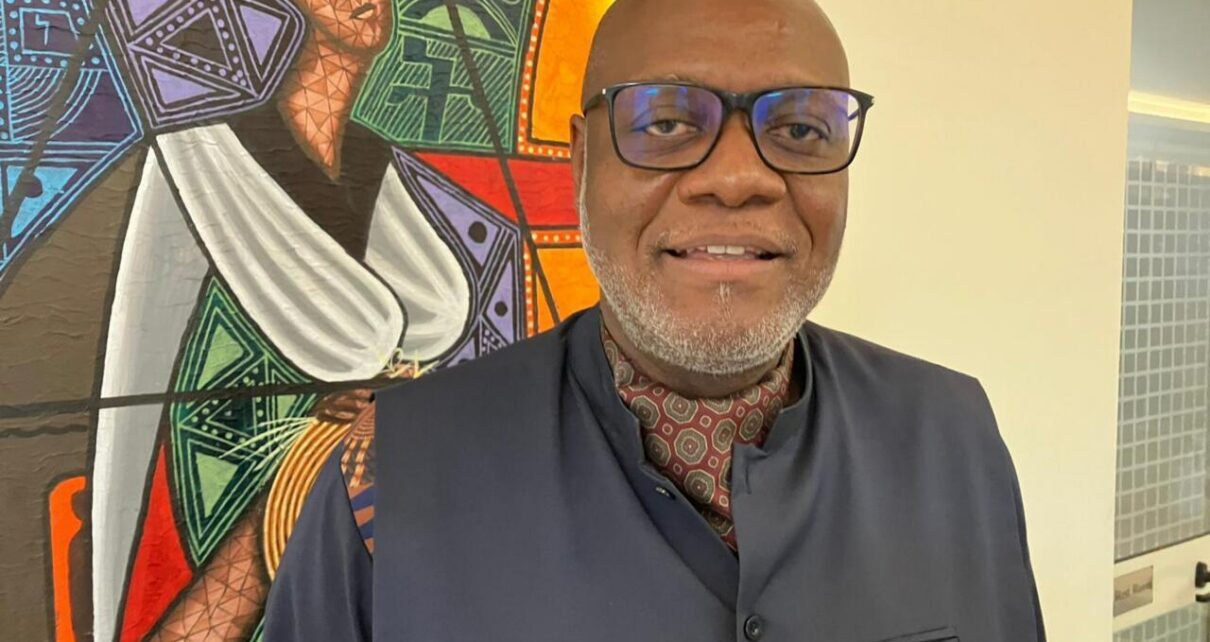
The 39th African Union summit concluded with a bold declaration: “silencing the guns” and vowing to no longer tolerate unconstitutional changes of power. But is this commitment credible in practice? Cameroonian researcher Paul-Simon Handy, regional director of the Institute for Security Studies (ISS) for East Africa, attended the summit in Addis Ababa and shared his insights on Africa Midday.
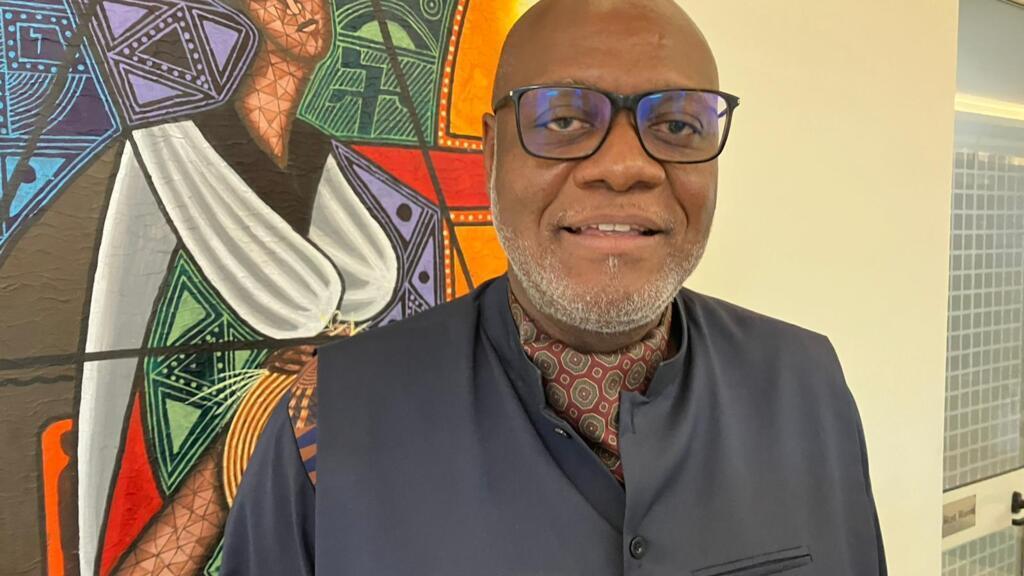
At the heart of the discussion was the growing concern over leaders who come to power through coups but later seek democratic legitimacy. The African Union’s stance remains firm: unconstitutional power grabs will not be tolerated. Yet, the reality on the ground tells a different story. Handpicked guests on the show questioned whether the AU’s declarations align with its actions, particularly when coup leaders subsequently run for office and win elections.
Paul-Simon Handy emphasized the need for consistency. “It is not acceptable for those who have orchestrated coups to later be democratically elected,” he argued. The debate centers on whether allowing such figures to participate in elections undermines the AU’s commitment to democratic principles. Handy pointed out that while the AU has made strides in condemning unconstitutional changes, the enforcement of these principles remains inconsistent.
The conversation also touched on the broader implications for Africa’s political landscape. With several recent coups across the continent, the issue of legitimacy has taken center stage. Critics argue that permitting coup leaders to contest elections sends mixed signals about the AU’s dedication to democracy and good governance.
Handy called for a more robust framework to address these challenges. “The AU must take a stronger stance, not just in words but in actions,” he urged. This includes holding member states accountable and ensuring that elections are free, fair, and devoid of interference from those who have previously seized power unconstitutionally.
The discussion on Africa Midday shed light on the complexities of balancing political transitions with democratic integrity. As Africa continues to grapple with these issues, the debate over coup leaders in elections remains a critical topic for the continent’s future.