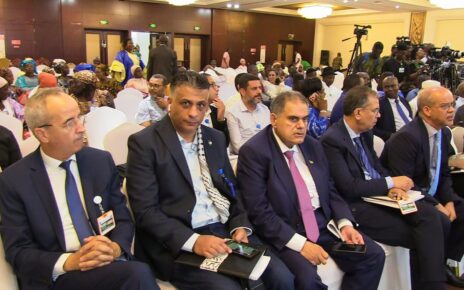
Benin’s delegation has now returned from Bucharest, and the debate about what was achieved there is only beginning. From 28 to 30 September 2026, Abdoulaye Bio Tchané, president of Benin’s Economic and Social Council (CES), led an official team to the Romanian capital for the meetings of the Bureau and the General Assembly of the Union of Economic and Social Councils and Similar Institutions of La Francophonie (UCESIF). The sessions took place at the Palace of the Romanian Parliament, where member delegations weighed the pressing questions of social dialogue, participatory governance and economic resilience across the French-speaking world.
A Bucharest outcome that puts Benin’s consultative model under scrutiny
For Benin, the trip was more than a calendar entry. It formed part of the international outreach drive of the CES’s eighth term, which places emphasis on opening up to the best practices in consultative governance. The three days of exchanges pursued several priorities at once:
- Budgetary and administrative approvals: reviewing activity reports, assessing financial management and setting UCESIF’s operational roadmap for the coming cycles.
- A stronger francophone partnership: building closer synergies among member institutions so that citizen consultations turn into real levers for national public policy.
- Bilateral cooperation: working meetings on the margins of the plenary sessions with counterparts from African and European economic and social councils, exchanging experience on economic inclusion and social dialogue.
Reactions at home: a diplomatic gain or a distant exercise?
Back in Benin, the mission has sparked a broader conversation about the value of such institutional diplomacy. Supporters argue that by carrying Beninese proposals into UCESIF, Bio Tchané reinforced the strategic part that consultative assemblies play in stability and sustainable development. They point to the visibility the country gained and to the access it secured to proven models from across the francophone network.
More sceptical voices ask how the resolutions adopted in Bucharest will translate into tangible change for citizens, particularly young jobseekers facing a shifting global economy. The General Assembly did give Benin a platform to promote its national initiatives and to draw lessons from successful approaches elsewhere in the network, but the follow-through is what will be judged.
What comes next for the UCESIF network
The conclusions and resolutions adopted at the close of the Bucharest sessions are set to serve as the foundation for the Union’s future joint actions. For Benin, the coming months will show whether the positions defended by its delegation become concrete programmes or remain diplomatic declarations. Either way, the fallout from this mission is likely to shape how the country approaches francophone institutional cooperation in the years ahead.