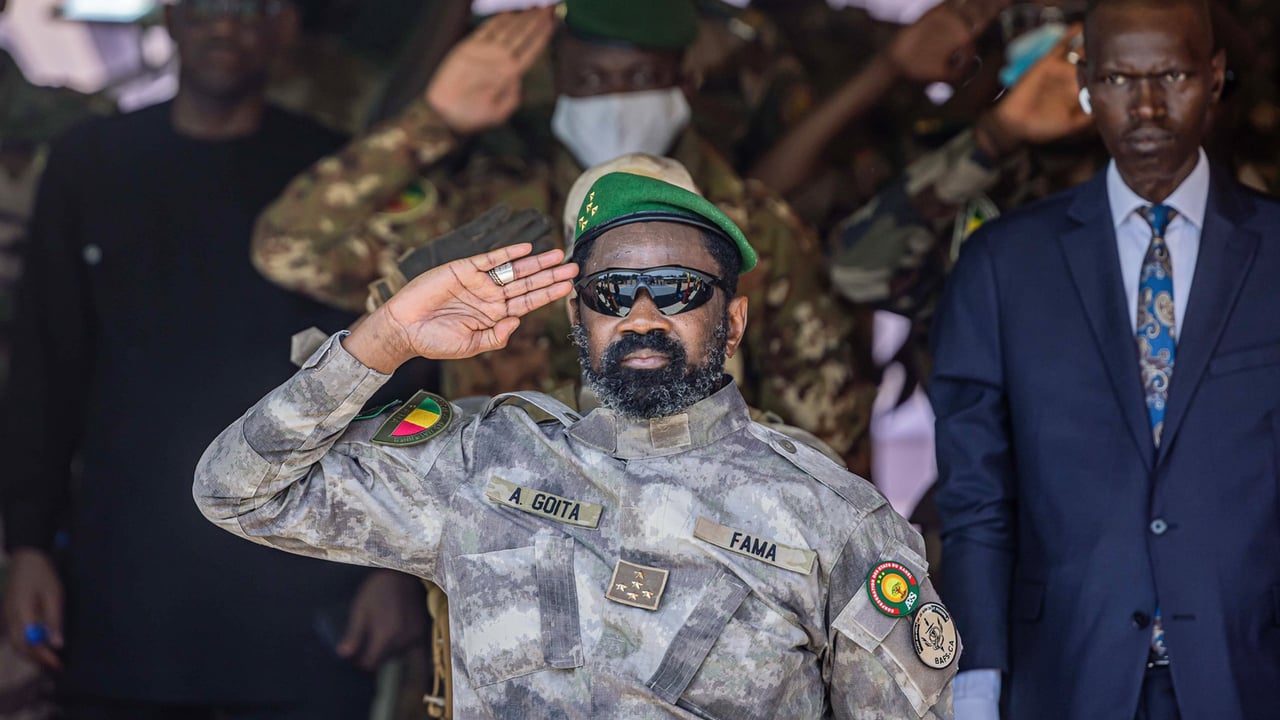

In a nation grappling with persistent challenges, Assimi Goïta stands as a pivotal figure, navigating Mali’s intricate political landscape. As the head of state, his leadership is central to the country’s trajectory, particularly as it faces various internal and external pressures.
The Malian political arena has seen significant shifts, with figures like Ibrahim Boubacar Keïta and Bah N’Daw having played roles in recent history, leading to the current configuration under Goïta. His presence is consistently noted at key national events, such as the solemn funeral of Sadio Camara, the late Minister of Defense, held in the capital city of Bamako. Such public appearances underscore his prominent role in the nation’s affairs.
Mali continues to contend with complex security concerns, including the activities of groups like the Groupe de soutien à l’islam et aux musulmans (Jnim). Addressing these multifaceted issues requires strong governance and a clear vision for stability and progress within the nation. Goïta’s administration is thus tasked with steering Mali through a period marked by both fragility and the imperative for resilience.