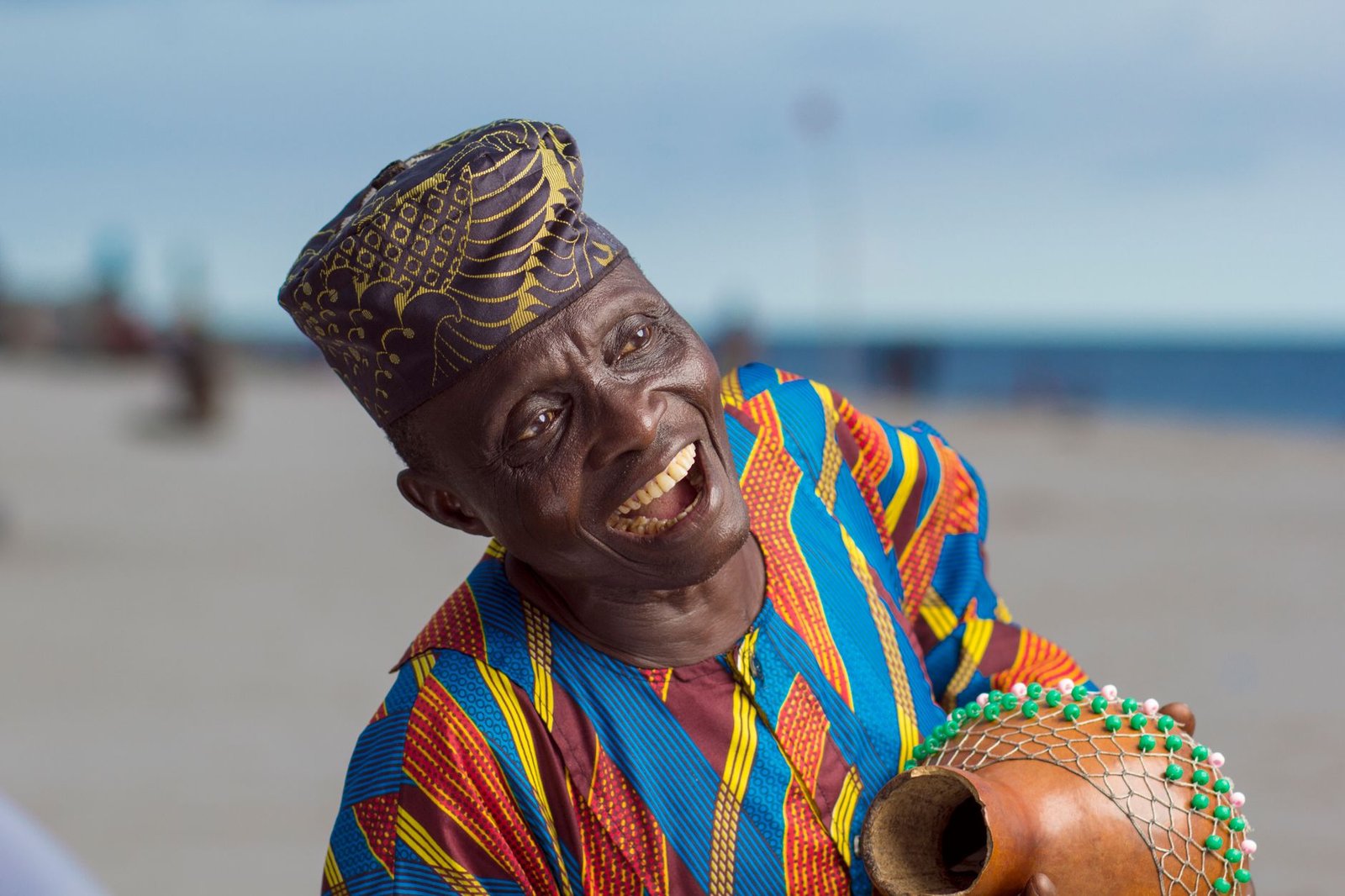
Iconic West African musician Baaba Maal recently amplified the voice of Senegal and the wider African continent at a United Nations (UN) gathering held in Ulaanbaatar, Mongolia’s capital. A long-standing advocate for environmental and social causes, the acclaimed singer passionately articulated an African viewpoint on critical contemporary challenges, ranging from climate change to the vital role of youth in global decision-making processes.
An African spokesperson in a multilateral forum
The selection of Baaba Maal for this significant role was far from coincidental. For more than ten years, this influential artist, hailing from Podor in northern Senegal, has consistently leveraged global platforms as an extension of his grassroots commitment. Serving as a Goodwill Ambassador for the United Nations Development Programme (UNDP), he has frequently addressed forums where the perspectives of African civil societies often remain underrepresented. His address in Ulaanbaatar aligned perfectly with this ongoing mission, emphasizing the crucial need for solidarity among countries of the Global South and the imperative to integrate local communities into overarching global policies.
The Mongolian venue presented a distinctive setting. While Ulaanbaatar, the Central Asian capital, is not typically a prominent location within African diplomatic circles, it increasingly hosts UN conferences focused on landlocked economies, the transition to sustainable energy, and the preservation of delicate ecosystems. For Dakar, strategically showcasing a leading cultural personality in such a space signifies occupying a symbolic arena where traditional diplomatic engagement is less prevalent.
Culture and senegalese soft power
This strategic move is integral to a wider initiative aimed at enhancing Senegal’s soft power influence. For several years, successive administrations in Dakar have meticulously fostered an image of a nation capable of projecting its voice through its acclaimed artists, insightful intellectuals, and robust cultural institutions. Baaba Maal, notably with his annual Blues du Fleuve festival hosted in Podor, epitomizes this powerful synergy between deep local roots and expansive global resonance. His distinctive music, which expertly fuses Pulaar traditions with contemporary sounds, transcended continental boundaries long before the concept of cultural diplomacy was explicitly embraced as a foreign policy instrument.
At the core of his message, the artist underscored how environmental crises disproportionately impact populations who have contributed the least to them. Communities residing along the Senegal River, much like the nomadic herders of Mongolia, share a direct vulnerability to climate disruptions, dwindling water resources, and swift transformations in their traditional ways of life. This compelling parallel, articulated before an international assembly, provided a tangible framework for understanding climate inequalities that multilateral discussions frequently struggle to translate into concrete, binding financial pledges.
A diplomacy of influence under construction
Nevertheless, the true impact of such high-profile interventions hinges on the capacity of African nations to effectively leverage these public pronouncements. A platform, no matter how symbolically powerful, only achieves genuine effect when supported by substantive diplomatic efforts undertaken by permanent representations and pertinent ministries. Senegal, having served multiple terms as a non-permanent member of UN bodies and recognized as a significant player within the African Union, possesses substantial diplomatic capital that stands to be further strengthened by integrating these influential cultural voices.
Furthermore, Baaba Maal’s participation in Ulaanbaatar highlights a gradual evolution in African diplomatic priorities. For an extended period, Senegalese cultural diplomacy largely centered on traditional hubs such as Paris, Brussels, and New York. However, there is now a clear expansion towards less conventional geographic areas, evidenced by strengthened engagements with Central Asia, Turkey, and countries in the Gulf region. This strategic redeployment aligns with Dakar’s broader efforts to diversify its economic and political partnerships, a consolidation push that has gained momentum following the political transition in 2024.
Ultimately, the key challenge for Senegalese authorities will be to convert this heightened visibility into concrete, actionable projects. These could encompass cultural cooperation initiatives, academic exchange programs, or targeted climate financing specifically directed towards vulnerable regions within the Senegal River basin. Without such practical operational grounding, the powerful message conveyed by Baaba Maal’s voice risks being lost amidst the customary clamor of multilateral summits.